
As Albany heads toward the November midterm election, the city’s next mayor faces a tightrope walk between accommodating rapid population growth, maintaining existing infrastructure, and keeping the cost of living within reach for working families, KVAL reported.
The race puts three distinct visions for the mid-Willamette Valley city on the ballot. Incumbent Mayor Alex Johnson II is campaigning for a fourth term, leaning heavily on a track record of tangible development. He is challenged by small business owner Josh Wark, who promises to fast-track commercial growth while protecting vulnerable residents, and former city councilor Carolyn McLeod, whose campaign centers squarely on municipal affordability and infrastructure upkeep.
Balancing Housing Diversity and Development Fees
At the heart of the mayoral race is a fundamental disagreement over how Albany should manage its physical expansion. Johnson points to recent multi-tiered housing initiatives as proof that the city is successfully addressing demands across the economic spectrum.
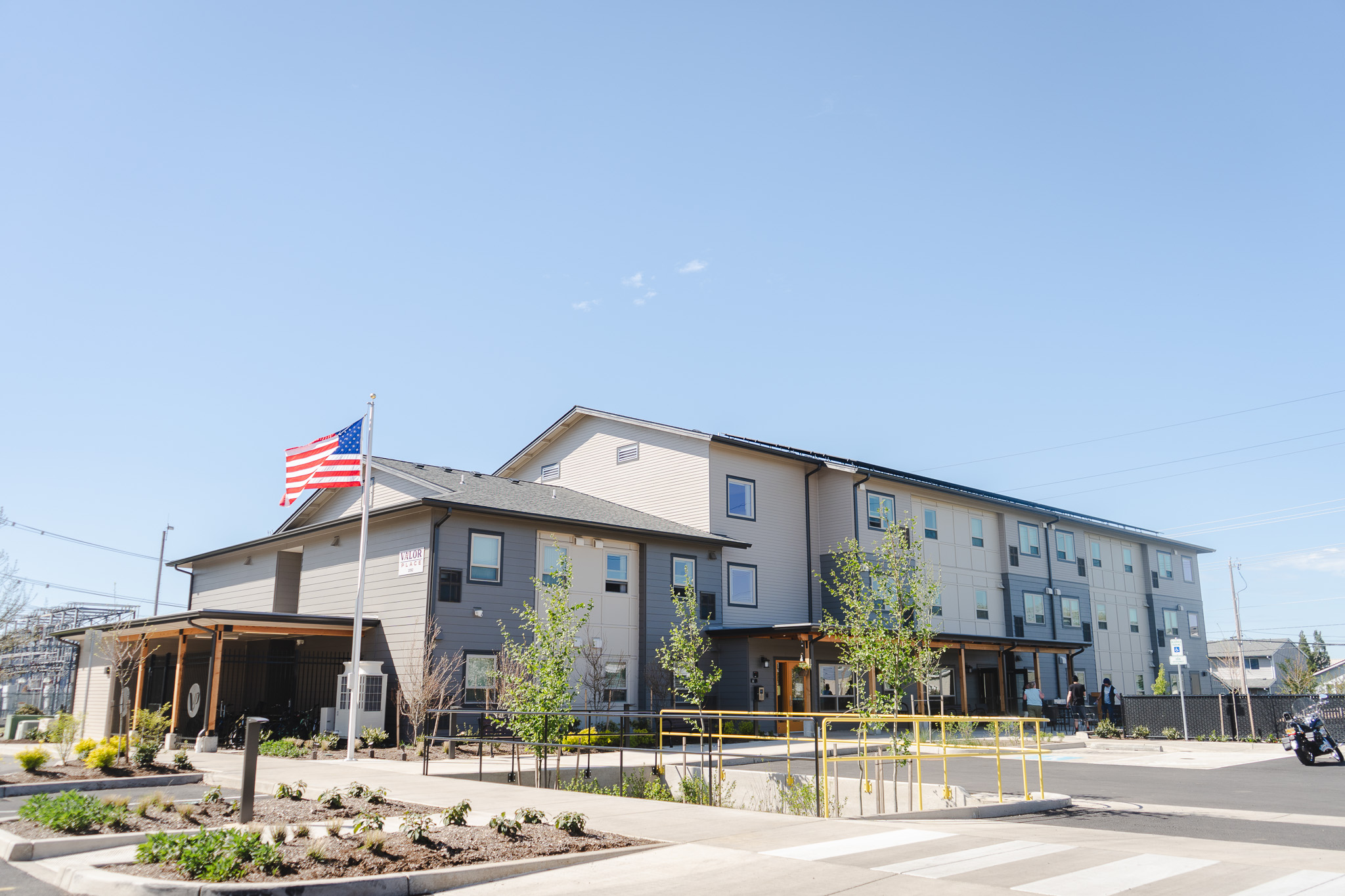
"Most mayors have been building low income and higher income homes. Well, we’re building everything. We have low income, The Veterans Housing I’m on the board for the YMCA. We just finished, we’re finishing 38 units of affordable housing for low income veterans here. Linn, Benton Housing Authority just finished another 30 units on Valor Place. So we’re doing everything. And then the middle housing piece, we’re building town homes," Johnson II said.
New construction projects in the city trigger system development charges—known as SDCs—which help fund necessary public infrastructure like roads, water, stormwater, sewer, and parks. While these fees ensure that growth pays for itself, they also add to the baseline cost of constructing new homes.
Wark aims to thread that needle by using his professional network to recruit new businesses quickly. The strategy relies on using fast-tracked commercial development as a tool to negotiate income-stabilized housing options with developers.
McLeod takes a more cautionary approach to expansion, arguing that the city’s current infrastructure needs attention before any new housing booms take off.
Funding Public Safety and the Infrastructure Crunch
Public safety priorities unite the candidates, even as they disagree on how to pay for them. All three contenders want to bolster support for local police and fire services, but fiscal realities limit their immediate options.
Wark suggests tapping into external revenue sources to support the police force without straining local taxpayers.
Johnson echoes the need for outside assistance, noting that local revenues are stretched thin. Meanwhile, McLeod plans to consult directly with first responders and city management to audit current spending before charting a path forward.
The financial strain on the city came to a head this month when the Albany City Council approved a new street maintenance fee. The policy exposes deep fractures among the candidates. Johnson cast the tie-breaking vote in favor of the fee, defending the move by pointing to a balanced budget and a backlog of roughly 200 roads slated for repair. Wark views the fee as an acceptable short-term stopgap, but McLeod takes a hard line against it, stating she would have voted down the measure.
Related reading

Dolly Parton video screened at SEUS-Japan meeting in Nashville
A Posthumous Welcome at the JW Marriott A video recorded by Dolly Parton just days before her death...

Augustana vs. USF Volleyball Play-by-Play Highlights
Augustana and Sioux Falls battled through a fiercely contested volleyball showdown featuring tight scoring sequences, key substitutions, and...

Evangel University leads Columbia College 46-28 in second half
The Second-Half Momentum Shift As the clock ticked down to the 20-minute mark, the game's rhythm accelerated through...

AG Neronha: Seven Indicted in $2 Million Medicaid Fraud Scheme
Rhode Island Indicts Seven in Alleged $2 Million Medicaid Fraud Featuring AI Seven people connected to a Providence...