
Three new Oklahoma laws took effect November 1, expanding protections for domestic violence survivors through GPS monitoring of certain defendants, broader felony definitions for serious injuries, and court admission of prior abuse evidence. Attorney General-elect Jon Echols said enforcement will be a priority when he assumes office in January.
Oklahoma has one of the highest domestic violence rates in the country, news9.com reported. The legislative package — House Bill 4342, Senate Bill 1264 and Senate Bill 1325 — aims to give judges and prosecutors more tools to hold repeat offenders accountable and protect victims.
Prior abuse admissible in court
House Bill 4342 allows prior acts of domestic abuse to be considered in criminal cases involving domestic violence. Echols said the change addresses a common pattern where abuse occurs repeatedly before a victim ever reports it.
“Many times it has occurred time and time and time again before it ever gets reported. And that pattern needs to be taken into account when we have a habitual offender.”
Echols told news9.com.

Angela Beatty, vice president of programs at the YWCA, said the provision can aid a survivor’s credibility and help a jury understand the threat an offender poses, koco.com reported.
Expanded definition of great bodily injury
Senate Bill 1264 broadens what qualifies as great bodily injury in domestic violence cases to include concussions, serious burns, injuries requiring surgery and prolonged pain. Echols said the expanded definition gives courts more flexibility to consider the impact an assault has had on an individual victim, according to news9.com.
Beatty said the change adds to understanding the seriousness of injuries and can make survivors feel more supported while aiding stronger legal protections, koco.com reported.
Senate Bill 1325 requires GPS monitoring as a condition of bail for defendants charged with certain serious domestic violence offenses, including cases involving strangulation, a dangerous or deadly weapon, or a previous domestic violence adjudication. Judges can also allow victims to request access to location alerts when a defendant enters a court-specified restricted area.
“What this bill does is take away some of that fear. It’s not required, but in some cases, the judges can allow the victim to have access to the GPS.”
Echols told news9.com.
State Sen. Bill Coleman, R-District 10, the bill’s author, said the system alerts survivors if the offender nears their home or workplace, and the Department of Corrections should also receive the alert and notify law enforcement, koco.com reported. Beatty cautioned that technology alone cannot guarantee safety and encouraged survivors to maintain other safety planning measures.
Enforcement focus ahead
Echols takes office in January and said he plans to work directly with local district attorneys to implement the new laws. His office’s domestic violence division will continue supporting victims and helping prosecute offenders, including sending prosecutors to assist on cases when needed, news9.com reported.
“The message I would have for the women of the state of Oklahoma: We are listening. We are paying attention.”
Echols told news9.com.
- Man Randomly Assaulted While Walking Dog in Philadelphia’s Northern Liberties
- Nonprofit Asks Augusta Commissioners for Low-Cost Building to Expand to Daily Operations
- RBA's Fifth Hike Adds About A$94 a Month on A$600,000; Three Voted to Hold (daybreakwire.com)
- DRC Ebola Response Halted by Violence; Only 11% of Cases From Contact Lists (archyde.com)
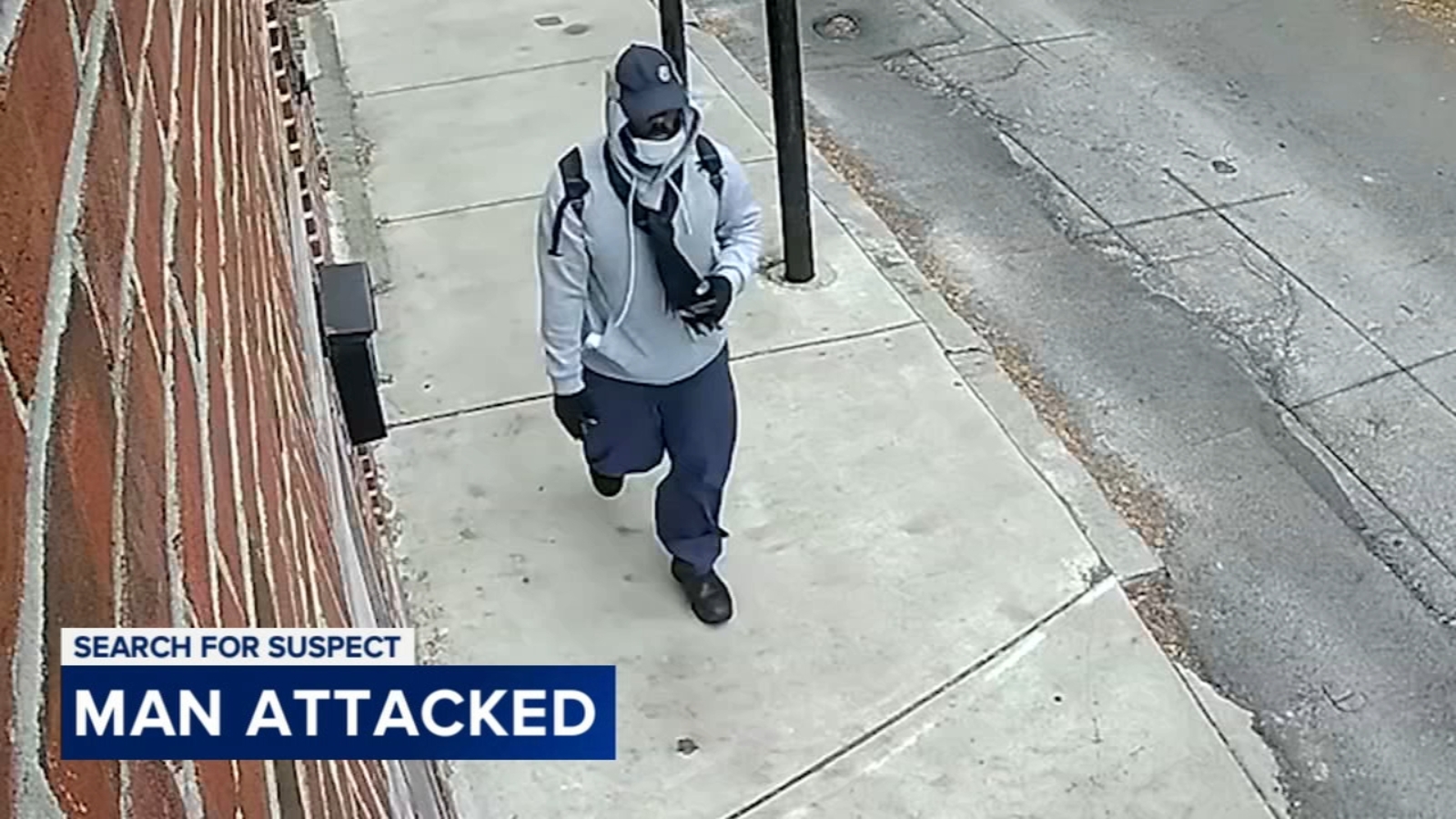
Man Randomly Assaulted While Walking Dog in Philadelphia’s Northern Liberties
A man reported a random daytime assault while walking his dog in Philadelphia's Northern Liberties neighborhood on Thursday...

Nonprofit Asks Augusta Commissioners for Low-Cost Building to Expand to Daily Operations
The nonprofit Manhood and Womanhood Tour has asked Augusta commissioners for a low-cost city building so it can...
Texas Comptroller Proposes Exempting Cloud Computing, AI, Streaming From Sales Tax
“The Legislature taxed data processing in 1987,” Texas Comptroller Don Huffines said. “It did not tax the internet....

Mississippi State Releases Depth Chart for Egg Bowl at Ole Miss
Mississippi State and Ole Miss kick off Friday in Oxford for the Battle for the Golden Egg, the...