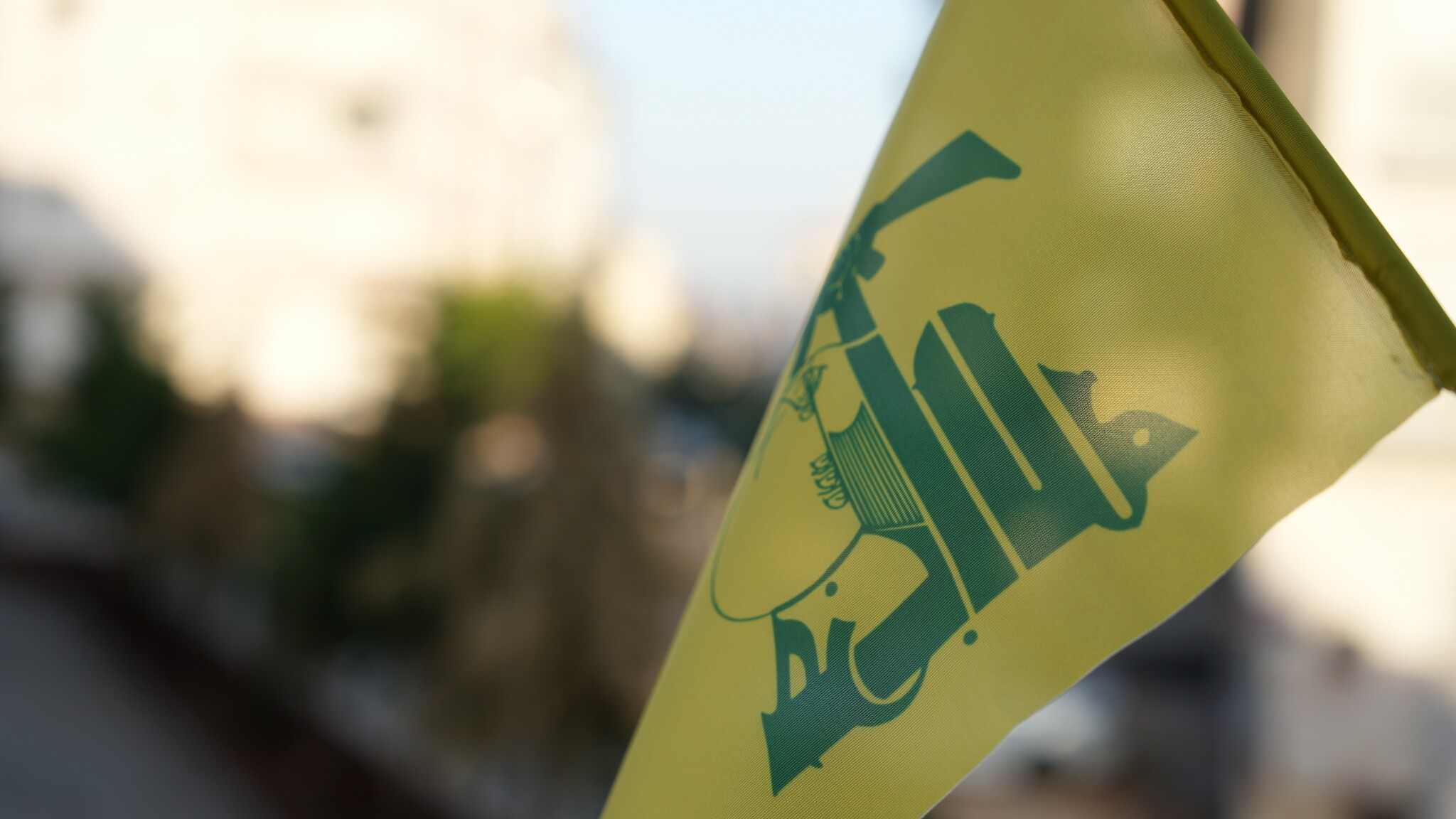
A new analysis from the Foundation for Defense of Democracies argues that Washington cannot disarm Hezbollah by pressuring the group alone; it must target the Lebanese political and security officials who shield the militia from accountability.
The report, authored by senior research analyst Ahmad Sharawi, lands as the U.S.-brokered trilateral framework stalls amid open defiance from Parliament Speaker Nabih Berri and Hezbollah-aligned ministers.
The argument crystallizes a moment that played out over the past week. On Saturday, Hezbollah parliamentarian Ali Mokdad stood in Baalbek and declared the group would not disarm “not today, not tomorrow, not in a hundred years” as long as Israeli troops remain in Lebanon.
Two days later, U.S. Ambassador to the United Nations Mike Waltz sat across from Berri in Beirut. The speaker, a longtime Hezbollah ally, echoed Mokdad: Israel’s continued presence is the principal obstacle.
Both arguments sidestep the militia’s own record. Hezbollah attacked Israel on October 8, 2023, reignited hostilities this March, and refused to surrender its arsenal after Israel withdrew from southern Lebanon in 2000. The Lebanese government has formally committed to a state monopoly on weapons, yet power brokers inside the state keep blocking enforcement.
The Cabinet Walks Out
Resistance is not abstract. In August 2025, Hezbollah-affiliated Minister Rakan Nassereddine and Amal-affiliated Environment Minister Tamara Zein walked out of a Cabinet session on the disarmament initiative. A month later, Hezbollah and Amal ministers withdrew again as Army Commander Rodolph Haykal presented his plan, challenging the legitimacy of any decision made without their participation.

The obstruction extends to accountability. When Lebanese authorities intercepted more than 1,700 pounds of explosives, Hezbollah acknowledged ownership. Justice Minister Adel Nassar sought to refer the case to the Judicial Council. Labor Minister Mohammad Haidar, aligned with Hezbollah, objected, calling the referral “politically motivated.” Berri intervened in consultations that produced a postponement.
Judicial Leniency and Diplomatic Chaos
The judiciary has offered little backstop. In March, days after the Cabinet banned Hezbollah’s military activities, a military court presided over by Brig. Gen. Wassim Fayyad released three Hezbollah members detained for transporting weapons. Each received a fine of roughly $10.
Institutional inconsistency surfaced again over Iran’s ambassador-designate, Mohammad Reza Sheibani. Foreign Minister Youssef Rajji declared him persona non grata in March. Berri opposed the move; Hezbollah and Amal ministers protested. Authorities allowed Sheibani to stay in Lebanon as an ordinary Iranian resident rather than a diplomat.
Met with Speaker of the Parliament of Lebanon Nabih Berri. We had a candid conversation about placing all arms under state control. It isn't optional. It's the only way forward. The cancer that is Hezbollah has infected the great nation of Lebanon must not continue. pic.twitter.com/Crh82HiqCj
Sanctions Without Follow-Through
Washington has begun targeting enablers inside Lebanon’s security establishment. In May, the Treasury Department sanctioned Lebanese Army Colonel Samir Hamadi and General Security Brig. Gen. Khattar Nasser Eldin for allegedly sharing intelligence with Hezbollah. Lebanese authorities have not publicly shown that the allegations led to disciplinary action.
The report notes that sanctions have worked before when applied with precision. After congressional action in 2015, Lebanese banks closed 100 Hezbollah-linked accounts. In 2019, Jammal Trust Bank entered liquidation within weeks of its U.S. designation. More recently, Lebanon’s central bank revoked Iran’s Bank Saderat’s license to protect the banking sector from sanctions exposure.
Political pressure also moves the needle. In March 2019, then-Secretary of State Mike Pompeo reportedly warned Berri and other politicians about potential sanctions over Hezbollah ties. Berri dispatched associates to Washington to avert the measures. Within weeks, amid reports that Washington was considering sanctions against his inner circle, Berri agreed to U.S. mediation over Lebanon’s maritime boundary dispute with Israel.
The Path Forward
Sharawi argues the United States should expand scrutiny to political and military figures who enable the group, particularly Berri. Continued investigations and sanctions should target associates and businesses Treasury identifies as supporting Hezbollah. Washington should press Beirut to investigate sanctioned officials within its political and security agencies and warn financial institutions that major transactions for sanctioned facilitators will jeopardize their access to the U.S. banking system.
Berri, born in Bo, Sierra Leone, to Lebanese Shia parents in 1938, returned to southern Lebanon for his schooling and rose through the Amal Movement, becoming its leader in 1980. He entered government in 1984 as a minister in the National Unity cabinet and has held the speakership continuously since 1992, making him the longest-serving head of a legislative assembly in the world.
The deadlock remains a question of political will. Hezbollah’s allies inside the state continue to obstruct enforcement of the government’s own decisions. Breaking that shield requires confronting not only the militia but the officials who protect it.
Keep reading

Richmond Opens First Rail-to-Trail Path, Linking Southside Neighborhoods With $9M ARPA Project
Nearly two decades after it was first imagined, Richmond cut the ribbon Thursday on its first official rail-to-trail...

Arkansas Unemployment Rate Falls to 3.8% as Payrolls Hit Record High
Arkansas' unemployment rate slipped to 3.8% in October while payrolls hit a fresh record, Talk Business & Politics...

Salve Grad Ben Lescault Runs Family Nursing Home in Rhode Island
"It's all I've ever known," Ben Lescault said. The 30-year-old took over his family's nursing home in Warren,...
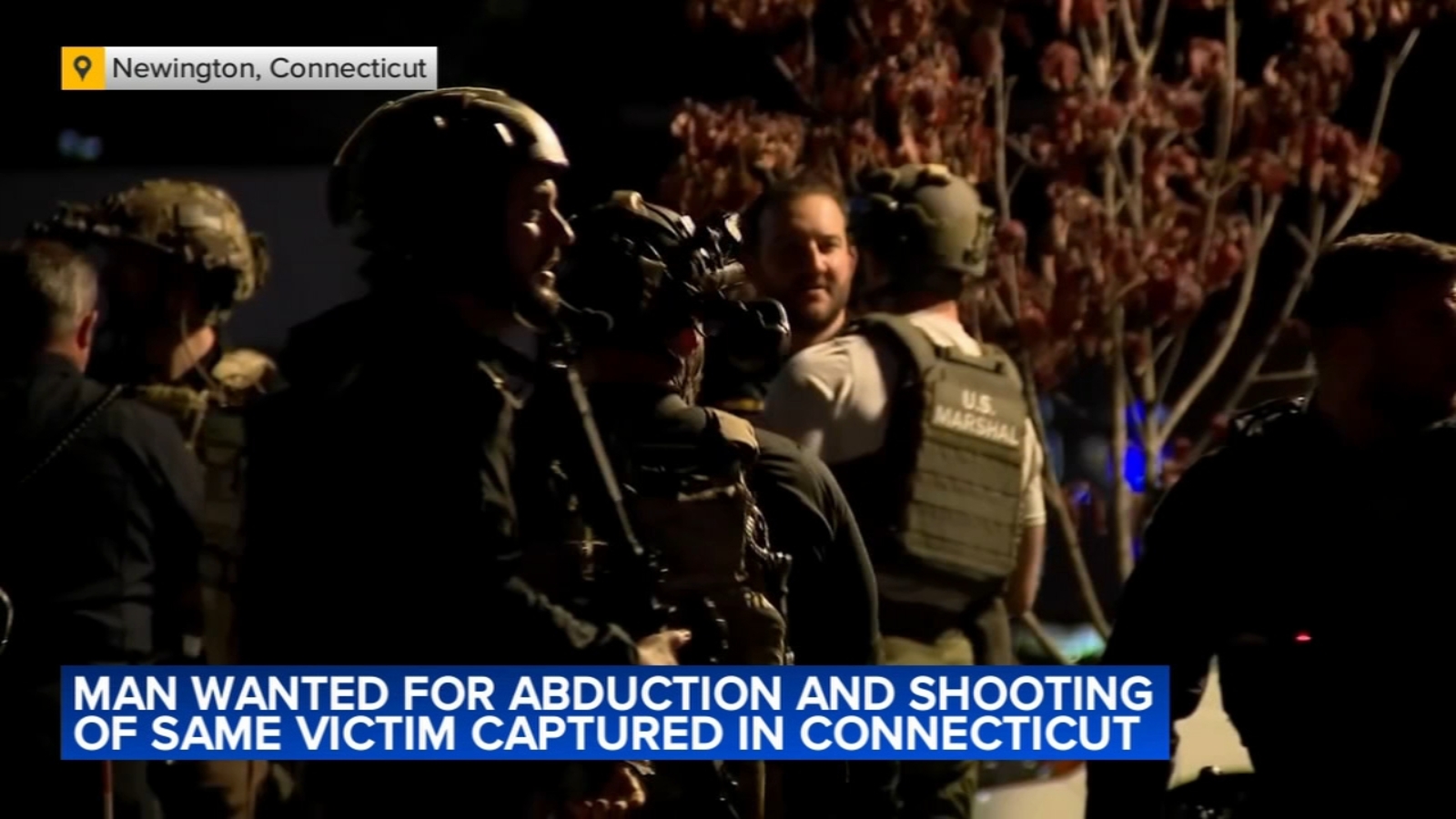
U.S. Marshals Arrest Philadelphia Abduction Suspect Olunkayode Taiwo in Connecticut
U.S. Marshals arrested Olunkayode Taiwo in Newington, Connecticut, on Thursday night, ending a weeks-long search for the 28-year-old...