
In a recent column for Live and Let’s Fly, a traveler detailed a series of service failures at an Enterprise Rent-A-Car location in downtown Omaha, Nebraska.
The account describes a rental experience that devolved from a simple vehicle pickup into what the author characterized as a total lack of professional interest from the branch staff. The issues began on October 20th, when the traveler, who had booked a vehicle for a last-minute personal trip, discovered that their usual provider, National, was unavailable at the airport.
Opting to try a neighborhood Enterprise location at 23rd & Harney, the traveler arrived expecting the standard of service typically associated with the brand’s corporate structure. Instead, they were informed that the vehicle type they had paid a premium for was unavailable.
According to the report, the branch attendant claimed that Enterprise headquarters in St. Louis is not connected to their local inventory, leaving the customer with only one option: a minivan. When the traveler questioned the lack of vehicle choice for a booking made within 24 hours, the staffer could not provide documentation to support the restriction.
A separate report from datkhachsan.com confirms the frustration of the situation, noting that the traveler had to take a Lyft to reach the downtown site, paying approximately 160,000 VND—or roughly $6.97—before tips. The situation worsened upon inspection of the assigned vehicle.
The traveler reported that the van smelled so strongly of marijuana that they deemed it unacceptable for use, stating to the attendant, “This one smells like weed.” The staffer reportedly replied, “I’ll have to take your word for it,” before moving to a second vehicle.
This second vehicle, a car with California plates, arrived with 51,000 miles on the odometer and only a quarter tank of fuel.
When the traveler pointed out the low fuel level and questioned why staff members seen in the wash bay were not addressing vehicle maintenance or cleanliness, the attendant reportedly admitted the branch was "understaffed." The traveler observed that the employees appeared to be "unbothered" rather than merely busy, questioning how a company known for empowering its branches to act as their own bosses could oversee this lapse in service standards.
The stakes for the traveler—and for any consumer relying on rental services for emergency travel—are both economic and logistical. Beyond the upfront costs of the rental and the added expense of ride-sharing to a non-airport location, the traveler faced the potential for additional fees, such as a $7-per-gallon fuel surcharge if the vehicle was not returned with the same quarter-tank level.
The presence of a chip in the windshield, which the attendant noted could spider, added uncertainty regarding potential damage claims, despite assurances that the customer would not be held responsible.
The traveler reached out to Enterprise corporate on October 20th to address these concerns but reports that they have yet to receive a response. While the company provides tools for branch-level management, the experience in Omaha suggests that these tools are not a guarantee of consistent quality.
The author concludes that they will avoid Enterprise locations in the future, despite the brand’s shared ownership with National, which they intend to continue using.
Whether this represents a localized management failure or a broader disconnect in the “neighborhood location” model remains a point of contention for frequent travelers. For now, the lack of response from the corporate office leaves the traveler’s questions about inventory transparency and service accountability unanswered.
Related reading
One Dead, One Injured After Shooting at Winston-Salem State University
A life lost at Winston-Salem State A 19-year-old man is dead following a shooting on the campus of...
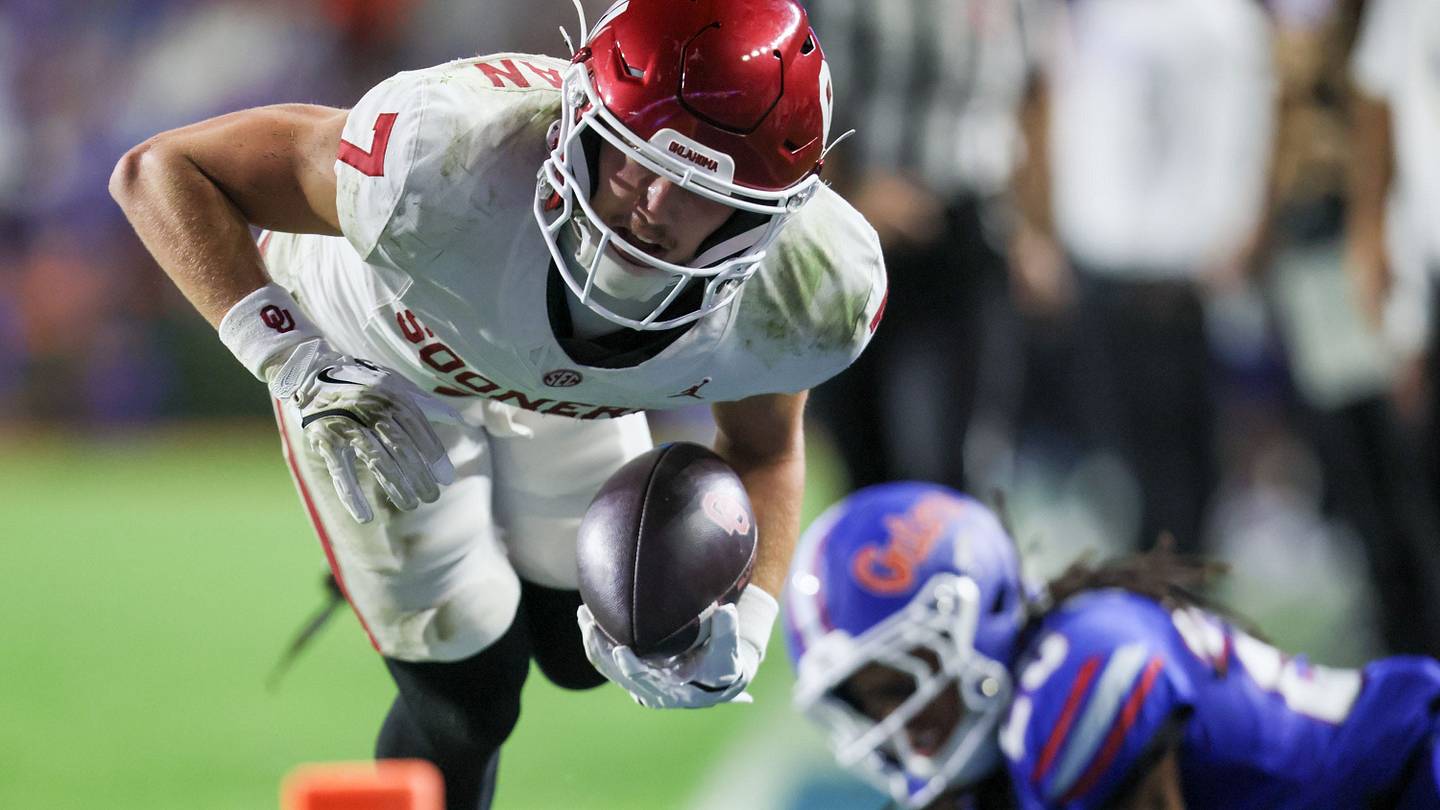
Oklahoma PFF Grades Follow Road Victory at Florida
Oklahoma overcomes coaching shifts to stun Florida John Mateer earned an 87.4 rating from Pro Football Focus across...
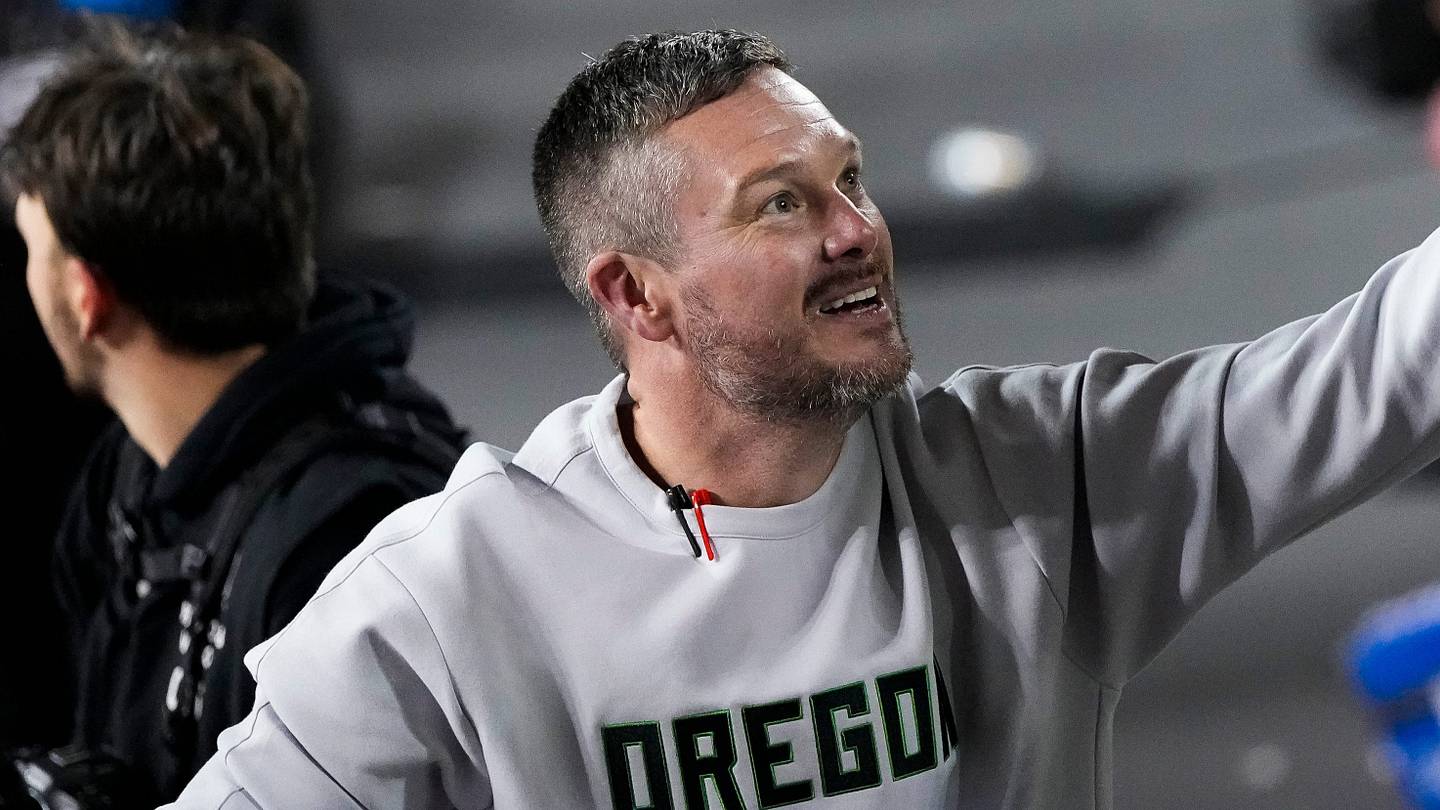
Oregon Ducks Beat Ohio State 41-28 After 14-Point Deficit
The Persistence of Oregon: How the Ducks Overturned a 14-Point Deficit in Columbus In the high-stakes environment of...

Dan Kennedy Discusses Media Performance in 2026 Midterm Lead-up
Media Performance in the 2026 Midterms Dan Kennedy, writing for his site Media Nation, recently discussed the performance...