
In a column for Grand View Outdoors, an outdoor writer argues that two-dimensional deer decoys outperform three-dimensional models on South Dakota public land when paired with specific wind and scent tactics.
The author, who has hunted whitetails for three decades, dedicated the 2026 rut to Walk-In areas and public properties in two South Dakota counties after stepping aside on private ground so his two sons could hunt there during their limited availability. Long hikes to prime habitat ruled out bulky 3D decoys, making Montana Decoy Co.’s 2D models the only practical option.
Prairie winds are constant, and the author found a configuration that stabilizes the lightweight fakes. He pairs a broadside decoy — either the Spikeler spike buck or the Trixie doe — with a doe rump decoy set at a 90-degree angle.
The broadside decoy faces sideways to the wind; the doe rump’s leg poles brace the larger piece against gusts. “I think they work better at being spotted from a distance than my 3D decoys,” he writes, crediting the sway and the included Teaser Tails for lifelike motion.
Decoys draw deer in, but scent positions them for a clean shot. The author sprays Wildlife Research Center Golden Estrus on vegetation and ground — not the decoy — starting at the leg poles and continuing 10 feet back toward his ambush.
With a solo Trixie doe in manageable wind, he points the decoy into the wind, sets up downwind, and places the fake 20 to 22 yards away, tail toward him. Bucks circle downwind, follow the scent trail, and often stop broadside at 15 yards, “looking directly away from me at the decoy. Checkmate!”
The column notes that antlerless deer often avoid decoys, small bucks can be nervous, and mature bucks “often walk right in like they own the place.” The author urges hunters who skipped decoying in 2026 to try next season: “It’s tremendously entertaining and effective!”

Vermont Spent $100.9M to Cut School Taxes This Year, Left Nothing for Next Year
Vermont lawmakers used $100.9 million from the state's General Fund to suppress school property tax bills for the...

Pennsylvania Democrats Revive Stalled Voting Reforms After Gaining Full Control
Pennsylvania Democrats seek to revive stalled voting reforms after winning full control of the state legislature for the...

Kansas City Therapist Lynn Barnett Counsels Parents on Trans Youth Care
Kansas City therapist Lynn Barnett, a clinically licensed social worker with the MidAmerica Family Treatment Center, has counseled...
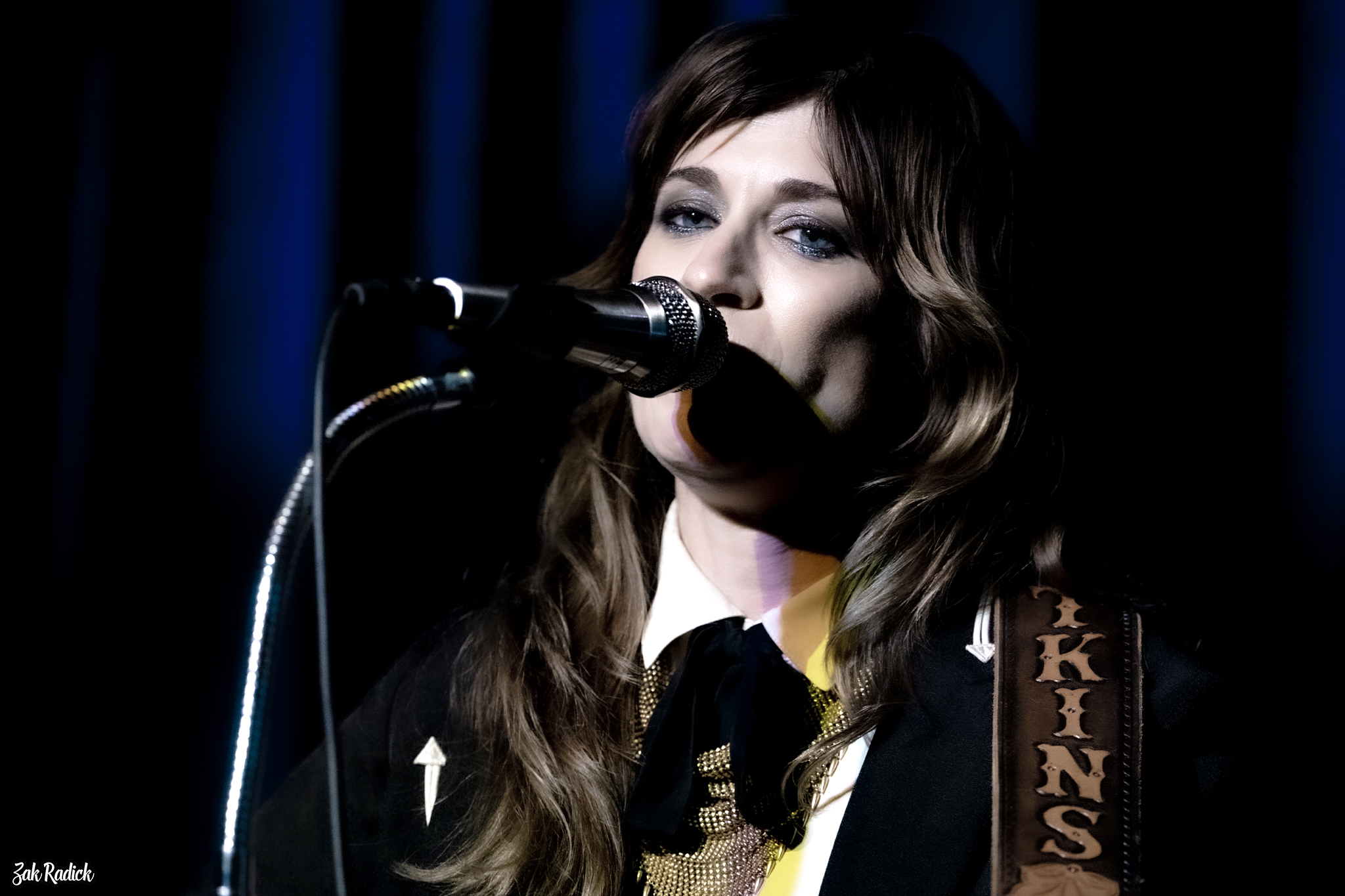
Nicole Atkins Performs Entire New Album Drama at Albany’s Lark Hall
Nicole Atkins performed her entire new album "Drama" at Lark Hall in Albany on Tuesday. The show also...