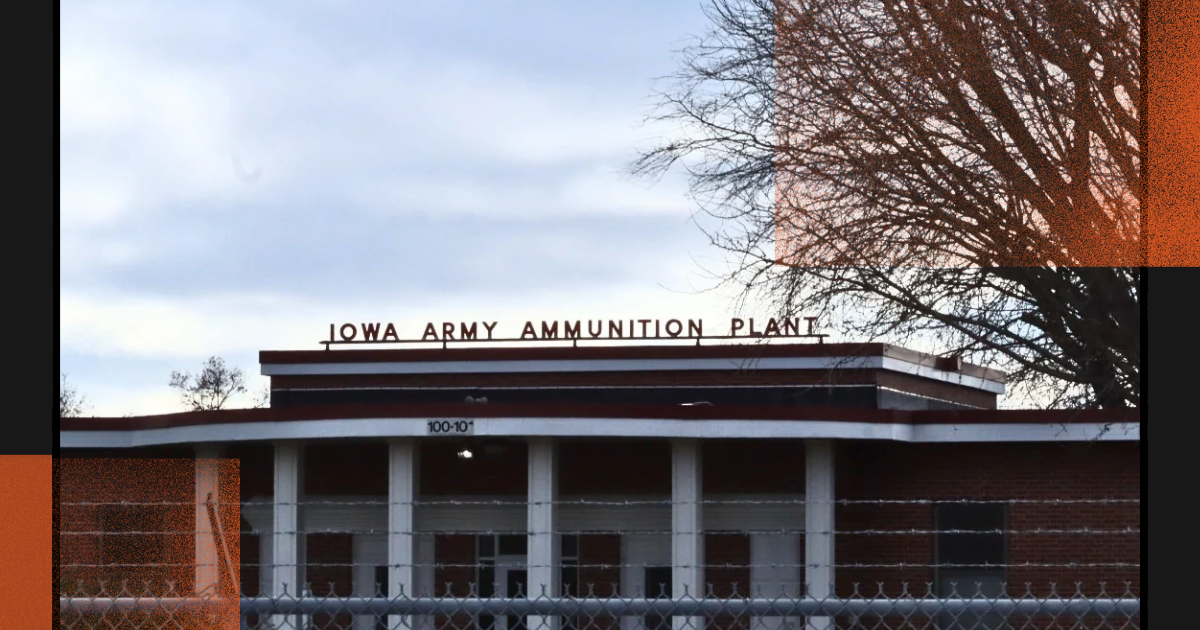
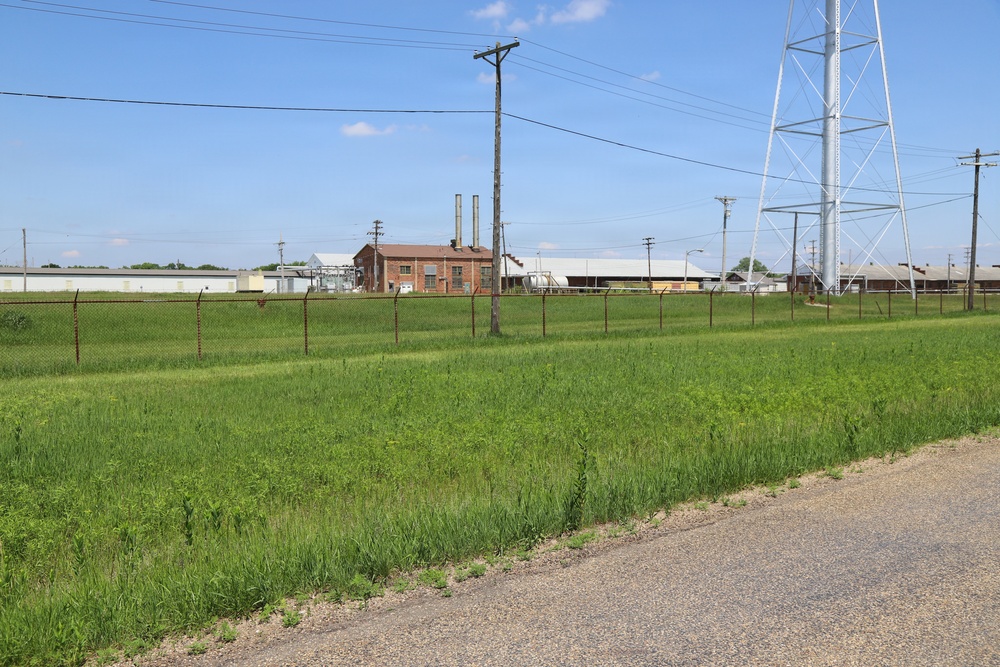
The U.S. Army carried out a controlled detonation of 68 drums of unstable lead azide on Wednesday, Nov. 25, 2026, at the Iowa Army Ammunition Plant near Middletown.
Contractual Shift to Detonation
The Army initially sought a non-explosive solution for the material, which had been in storage for years. Documents show the Army hired MuniRem Environmental in March 2026 for chemical neutralization after a panel of specialists from the Army, the Environmental Protection Agency, and the Johns Hopkins Applied Physics Laboratory recommended the process on March 19, Iowa Public Radio reported. Tests conducted at Picatinny Arsenal in New Jersey confirmed the reagent could neutralize the material within 15 to 20 minutes.
Despite this progress, the Army’s position changed by early May. On May 8, then-Army Secretary Dan Driscoll chose to proceed with an intentional detonation instead of the chemical treatment, according to an Army letter filed in federal court. By May 14, the Army informed MuniRem it would not move forward with the treatment portion of the contract, citing an “abundance of caution,” Iowa Public Radio reported.
Crystallized Lead Azide Made Barrels Too Unstable to Move
The decision to switch methods followed internal assessments regarding the physical state of the explosives. Col. Aaron Teller, commander of the 71st Explosive Ordnance Disposal Group, said that officials observed a large buildup of crystallized lead azide on the outside and lids of the barrels, which made them too unstable to open or move. A government brief said that a water-ethanol mixture intended to stabilize the material had not been replenished since September 2025.
MuniRem CEO and Chief Technology Officer Valentine Nzengung disputed the necessity of the blast. He told Iowa Public Radio that his company’s water-based reagent could have been applied to the exterior residue to allow for safe access.
Nzengung also said that the plant’s contractor had warned his firm about the unstable drums as early as August 2025, a timeline that predates the Army’s March 2026 notification to the EPA by seven months.
“Based on my experience and knowledge, I believe that chemical neutralization remains a viable option for safely opening the drums” Valentine Nzengung, MuniRem CEO and Chief Technology Officer, said.
Senator-Elect Calls for Investigation into Stockpile Degradation
The emergency permit for the detonation was issued by the EPA on Nov. 13 and published on Nov. 16, according to records reported by Iowa Public Radio. Democratic U.S. Sen.-elect Josh Turek called for an investigation into why the stockpile was allowed to degrade and why public communication was delayed, Iowa Public Radio reported.
Meanwhile, the Bureau of Alcohol, Tobacco, Firearms and Explosives stated it found no evidence that the chemical neutralization approach could be safely applied to the aged material, Stay Current News reported. On Monday, President Donald Trump posted on Truth Social, attributing the improper storage of the explosives to the Obama administration in 2009.
| Event | Date |
|---|---|
| Initial contractor warning regarding drums | August 2025 |
| Panel recommendation for chemical neutralization | March 19, 2026 |
| Army contract award to MuniRem | March 25, 2026 |
| Decision to proceed with detonation | May 8, 2026 |
| Emergency treatment permit issued | Nov. 13, 2026 |
Missouri Gov. Mike Kehoe confirmed on Wednesday morning that the detonation had taken place, according to Stay Current News.
More on Iowa Public Radio
The controlled detonation at Iowa Army Ammunition Plant is now scheduled on Wednesday, November 25, 2026 to allow for optimal weather conditions and all mitigation measures to be emplaced. The Army and our interagency partners have been working around the clock to safeguard all…
Keep reading

Ahwatukee Residents File $11M Claim Against Phoenix Over Data Center Zoning, Nuisance Allegations
Ahwatukee residents filed an $11 million notice of claim against the City of Phoenix on Nov. 20, alleging...

Utah QB Devon Dampier Eligible for Fifth Year, Will Join Senior Night
Utah quarterback Devon Dampier will participate in senior-night festivities Friday against West Virginia while retaining a fifth year...
Flint RiverQuarium Prepares Assessment as Aging Equipment Threatens 500 Animals
Moonshine the albino alligator and more than 500 other animals depend on a fragile network of aging equipment...
Two Men Plead Guilty in NJ Mail Theft, Bank Fraud Scheme
Two men pleaded guilty in federal court this week to conspiring to steal mail from Postal Service collection...