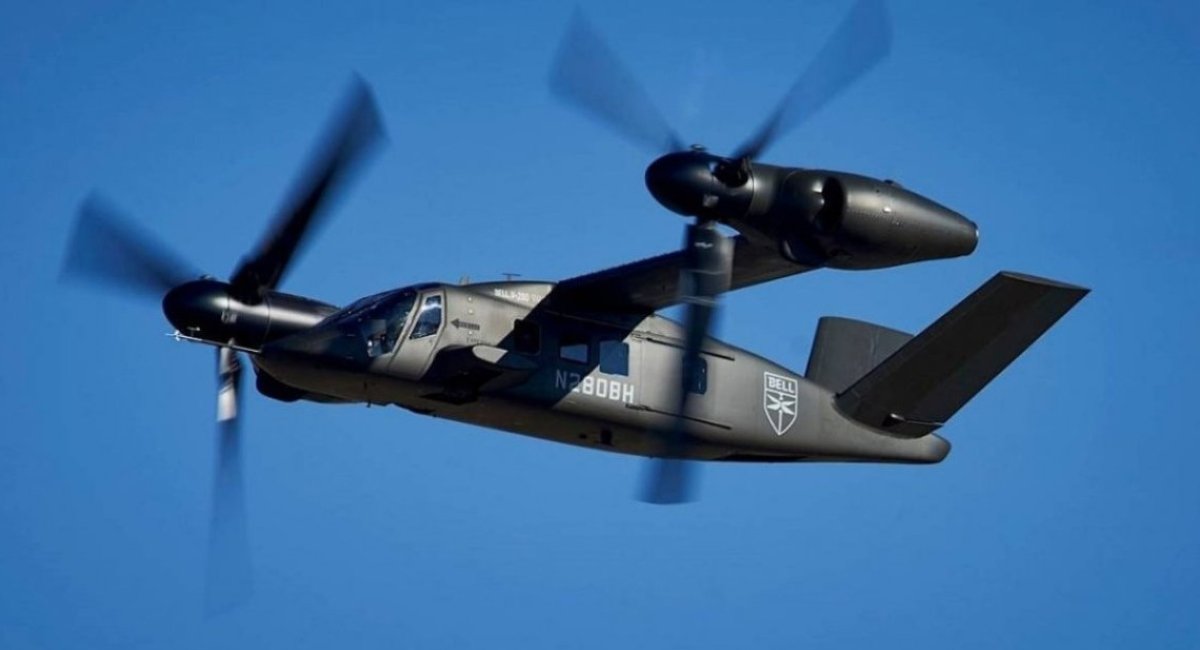
The U.S. Army will miss its year‑end target to receive the first MV‑75 Cheyenne II for testing, the service confirmed to Breaking Defense on Nov. 20.
- First test aircraft now undelivered; no new date set.
- Summer funding gap halted Army‑Bell communication until Sept. 28.
- FY27 request tops $2 billion; low‑rate production contract still pending.
- Operational fielding goal remains 2030.
Funding ran out in June
The Army exhausted its entire MV‑75 development budget for fiscal 2026 by June, en.defence‑ua.com reported. Bell Textron continued work at its own risk but cut spending while formal contract communications froze.
Congress approved a $300 million bridge
The service requested a reprogramming of about $350 million in July; Congress cleared roughly $300 million on Sept. 28, restoring contact between the Army and Bell, according to en.defence‑ua.com.
Hardware progress lags the old schedule
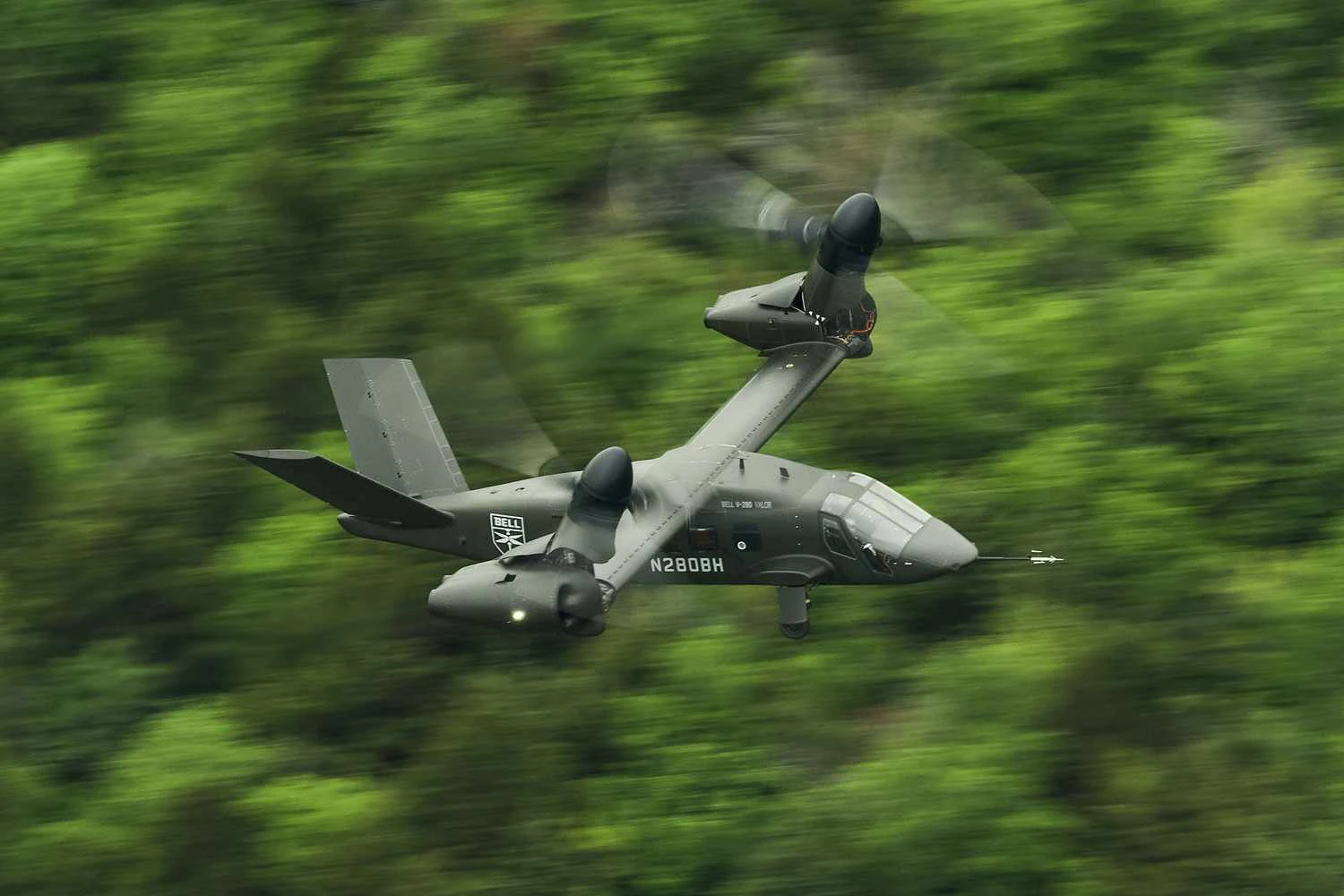
Bell announced on Nov. 16 that the first fuselage had just been completed in Wichita, Kan., and moved to Amarillo, Texas, for final assembly with wings and nacelles, Air Data News reported. The wings and nacelles have also been manufactured. The company has not said when the prototype will fly, leaving the 2027 flight‑test window uncertain.
FY27 budget and production decision still open
The Army has asked for more than $2 billion for the program in fiscal 2027, but final appropriations remain subject to congressional action, Air Data News noted. Delays in the budget threaten the low‑rate initial production contract, which is a separate milestone from the development effort, Army Recognition reported. The initial low‑rate production award remains a separate decision.
From V‑280 demonstrator to Cheyenne II
The MV‑75 is based on the Bell V‑280 Valor, which first flew in December 2017 and won the Future Long Range Assault Aircraft competition in 2022.
The tiltrotor design aims to deliver roughly twice the speed and range of the UH‑60 Black Hawk while retaining vertical takeoff and landing capability, Air Data News said. The U.S. The first prototype built to the U.S. Army’s MV‑75 design is designated YMV‑75A.
Indo‑Pacific reach drives the requirement
A core design goal is carrying a 12‑soldier rifle squad with equipment over longer distances without runways — a capability the Army says is critical for operations across the Indo‑Pacific, Army Recognition reported. The Congressional Research Service cites an MV‑75 speed objective of up to 280 knots versus the Black Hawk’s 151‑knot cruise.

Schedule under review
“The U.S. Army and Bell are updating the schedule, and the service has not yet announced a revised delivery date,” Army Recognition quoted the service as saying. The Army still targets first operational unit equipment in 2030, though the lack of a confirmed first‑flight date leaves that milestone at risk. The U.S. Army started the program in 2019 under its Future Vertical Lift initiative. The FY27 roadmap calls for ongoing prototype construction, early handovers for evaluation, and advance procurement of long‑lead parts. Ordering those items while the prototypes move forward gives the Army a way to shorten the wait for production aircraft once a contract is awarded. The pair of limited‑user‑test aircraft would likewise let soldiers evaluate how the design meshes with the way Army units operate and maintain their aircraft.
Keep reading

Unidentified ‘Minneapolis Matt’ Found in Mississippi River in 1995 Remains Nameless After Three Decades
An unidentified man known as "Minneapolis Matt" has remained nameless for nearly three decades after his body was...

Jacksonville State Defeats Delaware 28-14 as Missed Opportunities Cost Blue Hens
Delaware fell 28-14 to Jacksonville State at Delaware Stadium on Nov. 28, leaving the Blue Hens 6-6 overall...

Littwin: Can Mike Johnston Win Reelection as Denver Mayor in 2027?
Johnston approval stands at 39%, with 50% disapproving, down from a 46-46 split a year ago. Progressives Lisa...

Replacement Windows Can Shrink Visible Glass Even When Wall Opening Stays Same, Milwaukee Guide Warns
Replacement windows can shrink the glass you see even when the wall opening stays the same, and no...