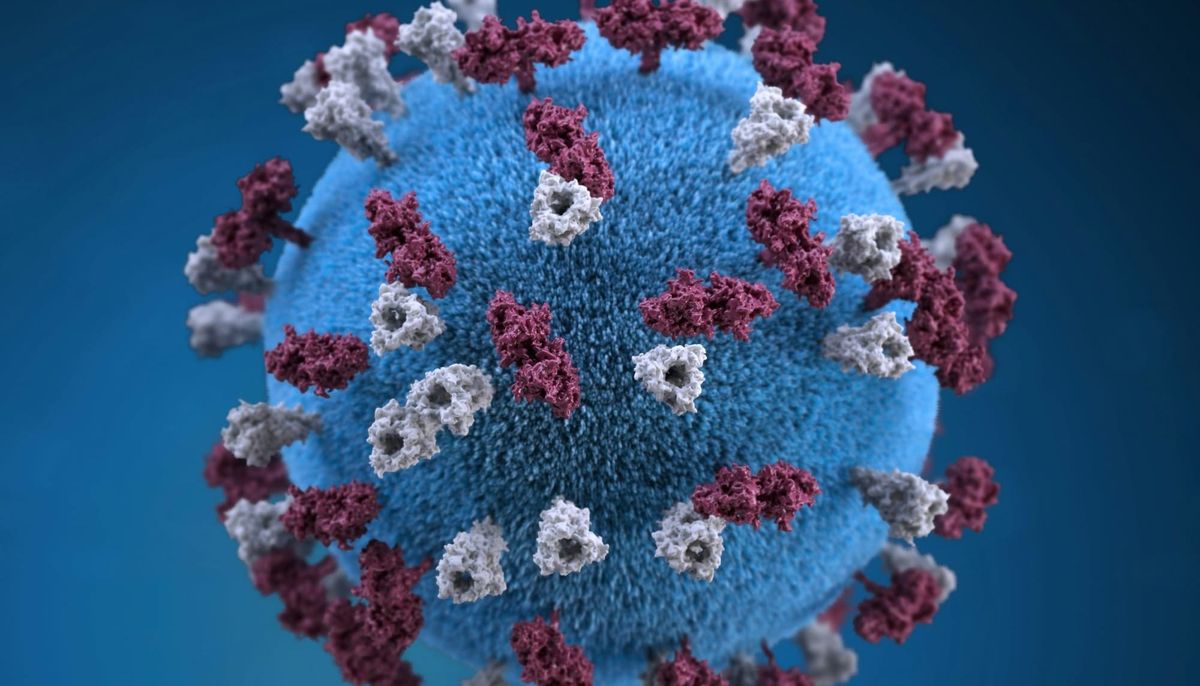
The United States officially lost its measles elimination status on November 17, 2026, after the virus sustained domestic transmission for more than 12 months. Federal health data indicates there have been 5,838 confirmed measles cases and six deaths reported in the United States as of November 19, following the country’s loss of the measles elimination status it had held since 2000.
National Outbreak Scope
The current epidemic represents the highest number of annual cases since 1991, according to reporting from the Johns Hopkins Bloomberg School of Public Health. Harvard Health Publishing reports that 11% of those infected during the current national outbreak have required hospitalization.
Vaccine Coverage Declines
The loss of elimination status follows a multi-year trend of falling immunization rates. During the 2025–26 school year, MMR vaccination coverage among kindergartners dropped to 92.4%, falling below the 95% threshold required for herd immunity, according to data from the Johns Hopkins Bloomberg School of Public Health. Simultaneously, non-medical exemptions for school-age children have reached 4.0%, more than double the 1.9% rate recorded a decade ago.
| Metric | National Status/Data |
|---|---|
| Confirmed Measles Cases (as of Nov 19) | 5,838 |
| Kindergarten MMR Coverage (2025-26) | 92.4% |
| Non-Medical Exemption Rate | 4.0% |
Regional Trends in South Dakota
While the national situation remains critical, South Dakota has seen a slight decrease in case volume compared to the previous year. The South Dakota Department of Health reported 11 confirmed cases as of November 24, 2026, South Dakota News Watch reported. In contrast, the state recorded 13 cases by November 2025, with a year-end total of 16 cases. Confirmed infections in South Dakota this year have been localized to Brookings, Browns, Edmunds, and Grant counties.
The United States has lost its measles elimination status, the Pan American Health Organization formally announced on Tuesday. PAHO, a part of the World Health Organization, made the decision after reviewing evidence and determining that the measles virus has been continuously… pic.twitter.com/f1s6VHkRzz
Loss of elimination status confirmed by PAHO commission
The U.S. had held the status since 2000 after averaging fewer than 150 cases annually and recording just three measles deaths between 2001 and 2018. Canada became the first country in the region to lose its elimination status last year after a prolonged epidemic, though its outbreak was declared over in October 2026 while U.S. transmission continues to accelerate.
Epidemic scale and financial burden climb
Researchers at the Johns Hopkins Bloomberg School of Public Health estimate that measles cases in 2026 alone will cost more than $93 million. The current wave has produced 7,701 confirmed infections across 45 states over the past two years, with 20% occurring in children under five and 95% of those infected unvaccinated.
Federal policy shifts complicate response
Health and Human Services Secretary Robert F. Kennedy Jr. and other federal officials have downplayed measles risks while sending mixed messages on vaccination importance, and the CDC has changed how it tracks measles deaths, no longer officially accepting initial death reports from states.
William Moss of the International Vaccine Access Center warned that diminishing public trust and the overhaul of federal vaccination policy create an uphill battle to regain elimination status.
Challenges for Public Health
Experts point to a combination of shifting public trust and administrative changes as major hurdles for containment. “The immediate impact of losing our measles elimination status is the loss of our reputation as global leaders in immunization,” said William Moss, Senior Advisor at the International Vaccine Access Center, as reported by the Johns Hopkins Bloomberg School of Public Health. He said that the country’s inability to maintain elimination status damages its global credibility.
“To regain our elimination status, we will need to continue our efforts to increase vaccination coverage to prevent outbreaks and protect those who are most vulnerable to disease—infants who are too young to be vaccinated and individuals who may be immunocompromised and therefore should not be vaccinated for medical reasons,” Moss told the Johns Hopkins Bloomberg School of Public Health.
Health officials have not determined when the United States can restore its elimination status, as vaccination rates decline and outbreaks continue.
More on United States
We eliminated measles in the U. S. in 2000. Now, we've officially lost that status. Here's what happened, why it matters and what you can do about it. 🧵
Worth a look
Mississippi Highway Patrol Troopers Responded to the Crash
Mississippi Highway Patrol troopers responded to the crash. The injured individuals were transported by helicopter for medical treatment,...

StorageMart Now Offering Self-Storage Units in Noblesville, Indiana
StorageMart on Endeavor Drive in Noblesville, Indiana, is now offering self-storage units for residents and businesses. The facility...

Judge Denies Child Support Request From Former Kentucky Gov. Matt Bevin’s Son
A Jefferson Family Court judge denied a request for child support from former Kentucky Gov. Matt Bevin’s son,...

Warriors Drain 20 3-Pointers to Beat Kings 129-110 Behind Melton’s Eight Tied Career High
The Golden State Warriors secured a 129-110 victory over the Sacramento Kings on Wednesday night, fueled by a...