
The U.S. Senate passed the Bipartisan American Affordability and Jobs Act on a 62-33 vote, sending the permitting overhaul to the House.
Tribal leaders in South Dakota say the bill would curtail their input on projects affecting sacred sites.
What the bill changes
The legislation, known as BAAJA, amends the National Environmental Policy Act, the Clean Water Act, the Endangered Species Act and the National Historic Preservation Act. It sets statutory timelines for transmission-project reviews and narrows the definition of harm to protected sites to areas physically disturbed by a project.
Tribal leaders call it “disrespectful”
Oglala Sioux Tribe President Frank Star Comes Out said the bill would restrict tribal participation in reviews of projects that could directly or indirectly alter Native lands, including places of religious and cultural significance. “We do have a lot of sacred sites, sacred lands, and this will greatly impact those — the process I guess — and just allows the government to fast-track the process,” Star Comes Out told KOTA on Nov. 23.
Asked what the bill represents for tribal sovereignty, he said, “It’s totally disrespectful.”
Indirect impacts would go unscrutinized, critics say
Democratic State Sen. Red Dawn Foster of Pine Ridge said indirect impacts from projects such as data centers — including changes to the landscape, shifts in animal behavior and long-term environmental effects — would not be scrutinized under the bill.
“It would definitely be limited in scope to where we’re not having that ongoing conversation to identify how a project will affect a community, and not just in that direct — it’s going through a burial ground,” Foster told KOTA.
“It’s not just tribes that will be greatly affected by this. It can, it has the potential to completely change our whole way of life in South Dakota,” she added.
NDN Collective calls it biggest sovereignty attack since the 1960s
Wizipan Garriott, president of Rapid City-based NDN Collective, said the bill marks the most significant attack on tribal sovereignty since the 1960s. “The original bill actually had provisions that would allow for the federal takeover of (tribal historic preservation) offices,” Garriott said. “A massive expansion of federal government, the federal government footprint, the trampling of tribal sovereignty.”
He said the legislation also cuts consultation requirements on projects impacting sacred sites, limits judicial review of projects tribal nations could oppose, and excludes tribal review from some projects. “We can accomplish smart permitting reforms by working with policy experts instead of moving forward with a bill in the dark of night that didn’t even have a hearing,” Garriott said.
South Dakota delegation split
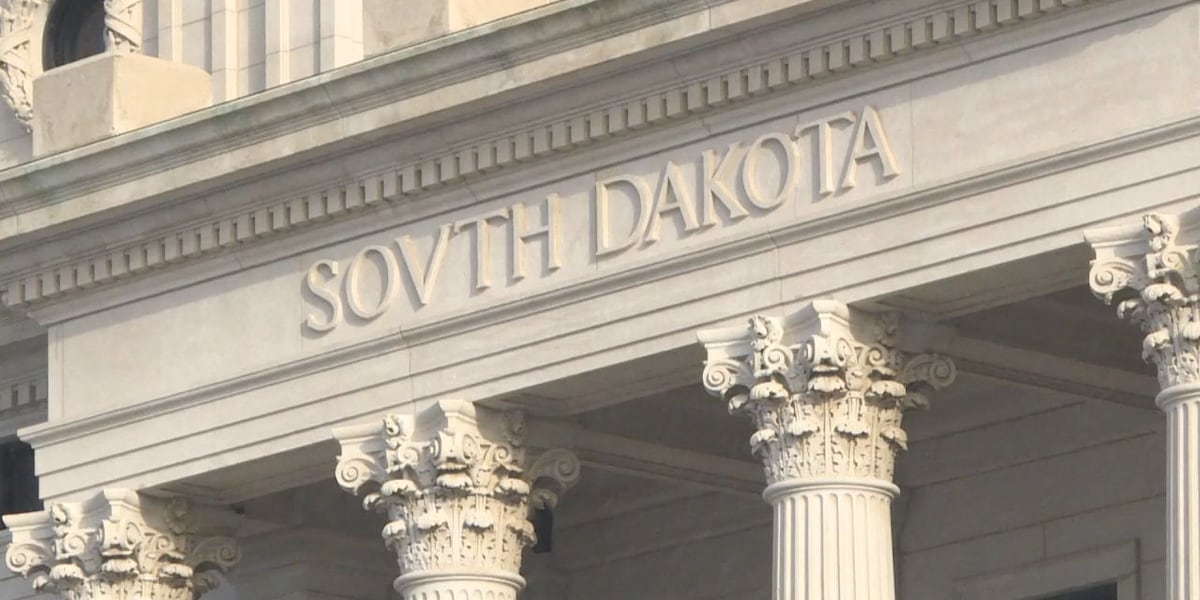
The Senate vote split the state’s delegation: Sen. Mike Rounds voted no, while Sen. John Thune voted yes. Gov. Larry Rhoden supports the bill but said in a Nov. 16 statement to KOTA that he does not agree with every provision and hopes amendments can improve it before final passage.
More than 40 South Dakota legislators, incoming lawmakers, county committee chairs and Republican party leadership signed a joint letter urging the congressional delegation to vote against the act, citing tribal sovereignty, private property rights and rural economic impacts, Dakota News Now reported.
Bill must pass House and get presidential signature
The bill must pass the House and be signed by the president before becoming law.
Related reading

South Dakota Defeats Arkansas-Pine Bluff 86-50 for Second Win
South Dakota secured its second victory on Wednesday afternoon, defeating Arkansas-Pine Bluff 86-50 at the Sanford Coyote Sports...
‘There’s Safety in Information’: West Seattle Reporter Asked to Leave School Merger Meeting
“There’s safety in information. There’s safety in knowledge,” said West Seattle Blog editor and co-founder Tracy Record. The...

Littleton Man Sentenced to 32 Years to Life for Attempted Kidnapping, Sexual Assault of 10-Year-Old Girl
Andrew Joe Salazar, 34, will serve 32 years to life in prison following his sentencing on Tuesday at...

Brewers Re-Sign Antonio Senzatela to One-Year Deal for 2027 Offseason
The Milwaukee Brewers signed right-handed reliever Antonio Senzatela to a one-year deal on Wednesday, marking the team's first...