
The International Monetary Fund last week lifted the United Arab Emirates’ 2026 real GDP forecast to 0.2 percent growth from a 3.9 percent contraction projected a month earlier, CNBC reported.
The revision signals the UAE will avoid a recession in 2026, and Economy and Tourism Minister Abdulla bin Touq Al Marri said the country is “very optimistic” about reaching 7 percent to 8 percent growth in 2027. “The UAE is coming back, and that adjustment within one month shows that there is a huge potential aspect when it comes towards the end of the year,” Al Marri told CNBC.
Tourism is already rebounding, with hotel occupancy rates returning to “almost near normal” and carriers including British Airways and Air France rerouting flights to the UAE, the minister said. He expects this year’s growth to exceed the IMF’s 0.2 percent figure.
The Iran war has disrupted energy trade, tourism, aviation and private-sector confidence through missile and drone attacks and maritime instability.
U.S. President Donald Trump said earlier this month that renewed strikes on Iran were “highly unlikely” if negotiations yield a “very strong agreement,” but on Monday warned Tehran could face fresh U.S. strikes next year if a deal fails, according to Fox News.
“We can we cannot promise the world for any storms that will land on our shore, but we can always promise that the UAE’s economy is ready for any storm,” Al Marri said.
He added that next year’s economic model will be “different” from the pre-conflict one, with investments focused on building factories and “things that we really need in times of crisis.”
The World Bank in October forecast a 2027 recovery driven by rising oil production and a rebound in tourism, trade, transportation, financial services and construction, but warned the improvement depends heavily on the duration and intensity of the Iran war.
Related reading

Mississippi State’s Ryan McPherson Earns Second Straight USA Baseball Collegiate National Team Selection
Mississippi State right-hander Ryan McPherson struck out a career-high 11 batters in his second start of the season,...
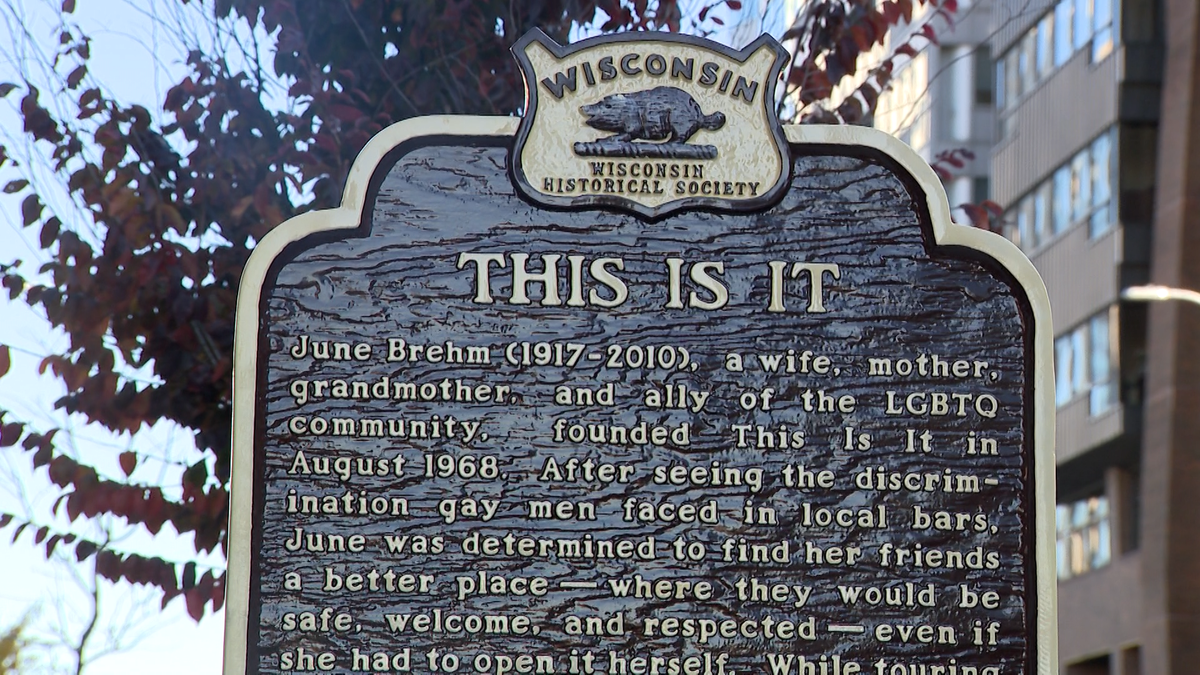
Historic Marker Unveiled for Wisconsin’s Longest-Running LGBTQ+ Bar and Founder June Brehm
A state historic marker was unveiled Thursday at 418 E. Wells St., where Wisconsin’s longest-running LGBTQ+ bar served...

Signs of Danger at Iowa Plant Emerged Months Before Army Says It Knew, Emails Show
Contractors at the Iowa Army Ammunition Plant in Middletown sought to chemically neutralize 68 drums of degrading lead...

Colorado Supreme Court Vacates Dismissal, Reinstates Crabtree Appeal
The Colorado Supreme Court vacated an appellate order that had dismissed Charles James Crabtree's appeal of a postconviction...