Vehicle collisions are killing an estimated 780 mountain lions every year across California, according to a new report from the UC Davis Road Ecology Center.
This figure represents roughly 18% of the state’s entire mountain lion population. The findings, reported by KCRA, highlight a growing crisis for wildlife safety as major transit corridors bisect natural habitats.
Beyond mountain lions, the impact on other species is severe. The report estimates that approximately 44,000 mule deer die in vehicle crashes annually, accounting for nearly 10% of the state’s total population.
Because the current data only covers about half of California's roads, researchers warn more animals may be dying than reported.
The UC Davis study identified several specific stretches of pavement where the risk of collision is highest. These hotspots include portions of Interstate 280, Interstate 15, State Route 62, State Route 118, and U.S. Highway 101.
In the Sacramento region, Highway 50 in western El Dorado County has been flagged as a specific hotspot for deer collisions.
The following table outlines the estimated annual wildlife mortality rates provided by the report:
| Species | Estimated Annual Deaths | Percentage of State Population |
|---|---|---|
| Mountain Lions | 780 | ~18% |
| Mule Deer | 44,000 | ~10% |
While many advocate for wildlife crossings to allow animals to move safely between habitats, researchers suggest these structures are not a complete solution on their own.
To effectively reduce the number of animals entering the roadway, physical barriers are necessary to guide them toward safe passage points.
“Fencing along highways is key to keeping animals off the road and reducing collisions,” said Fraser Shilling, director of the UC Davis Road Ecology Center.
The report recommends that state officials prioritize the installation of fencing in areas where collisions are most frequent, specifically near existing underpasses that animals are already utilizing.
- Sunrise Movement Protesters Arrested During Sit-In at Chuck Schumer’s DC Office
- FAU Heads to Tulsa After UTSA Win to Seek Bowl Momentum
- Alaska Nanooks Head to Hawaii Following Davis Crilly’s GNAC Honors (archyde.com)
- Courtney Lawes reveals 10-day hospital stay after severe staph infection (newsarchyuk.com)

Sunrise Movement Protesters Arrested During Sit-In at Chuck Schumer’s DC Office
“I am here because Chuck Schumer does not represent the voice of the people and we need to...
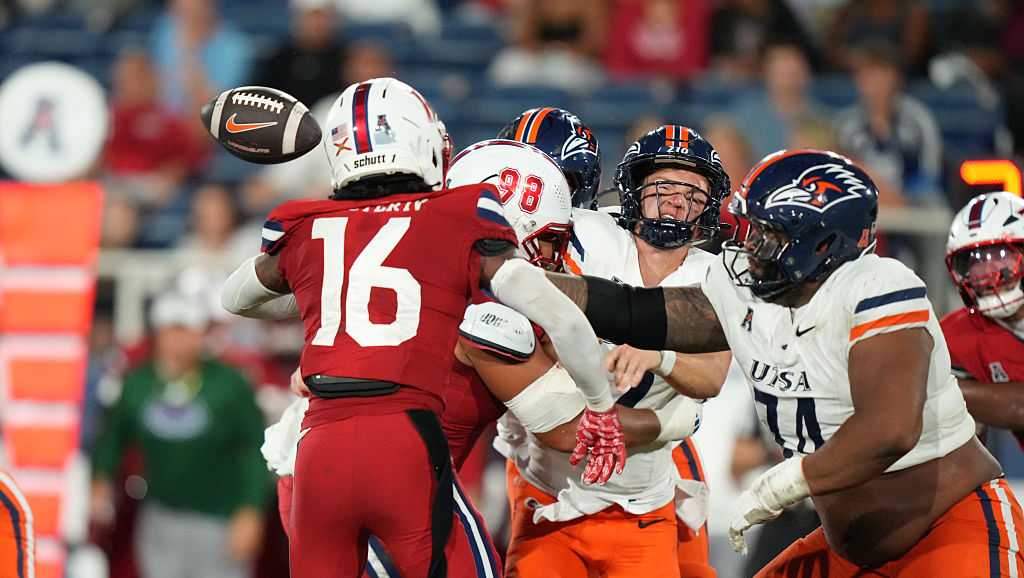
FAU Heads to Tulsa After UTSA Win to Seek Bowl Momentum
Florida Atlantic University secured bowl eligibility last week after defeating conference leader UTSA, setting the stage for a...

Georgia State Sweeps Louisiana Tech Led by Akira Burt’s 16 Kills
Akira Burt recorded 16 kills on Thursday night to lead Georgia State to a 3-0 sweep over Louisiana...
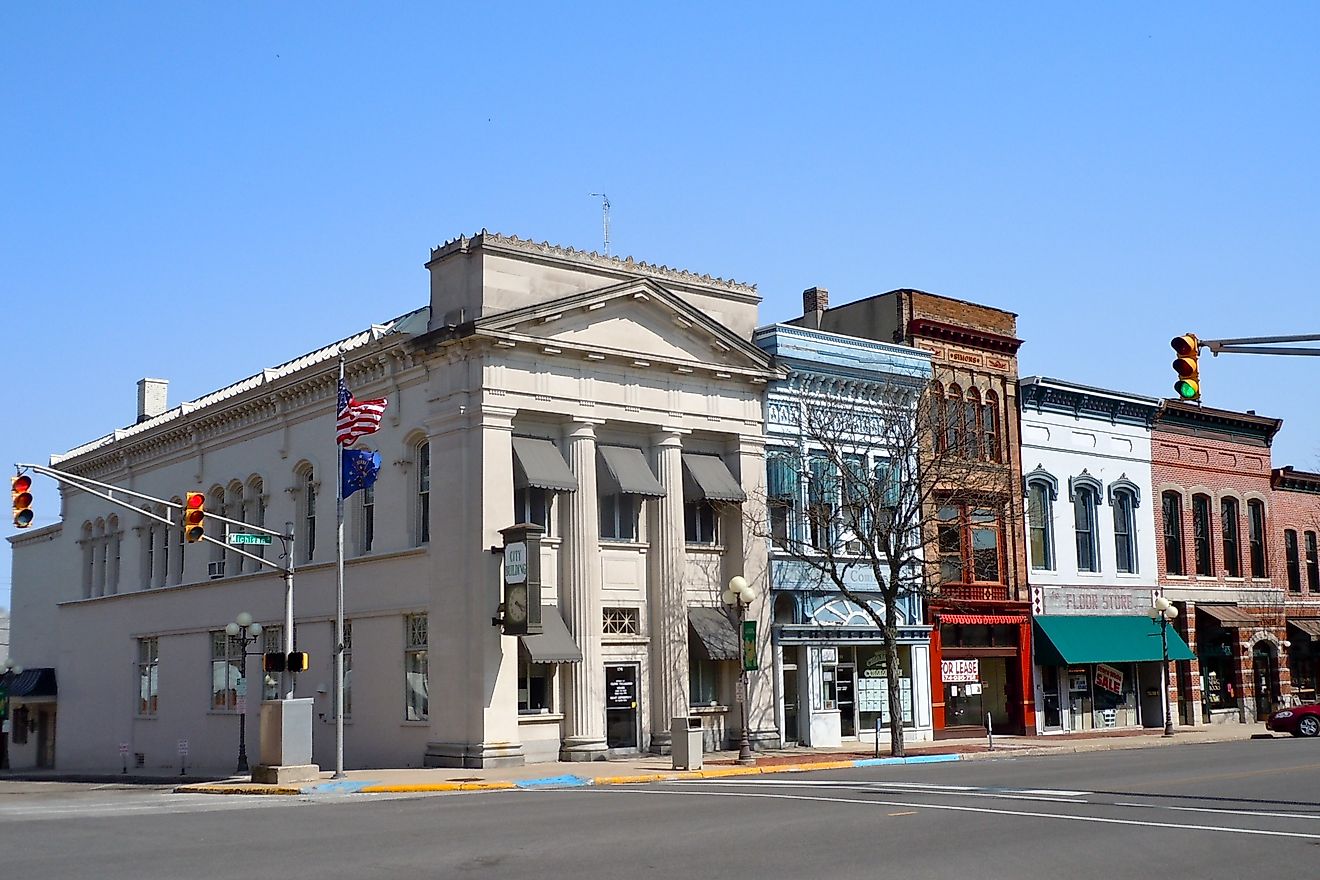
9 Most Affordable Towns in Indiana for Retirees
Retirement planning in Indiana is increasingly shaped by a stark divide between statewide housing averages and the localized...