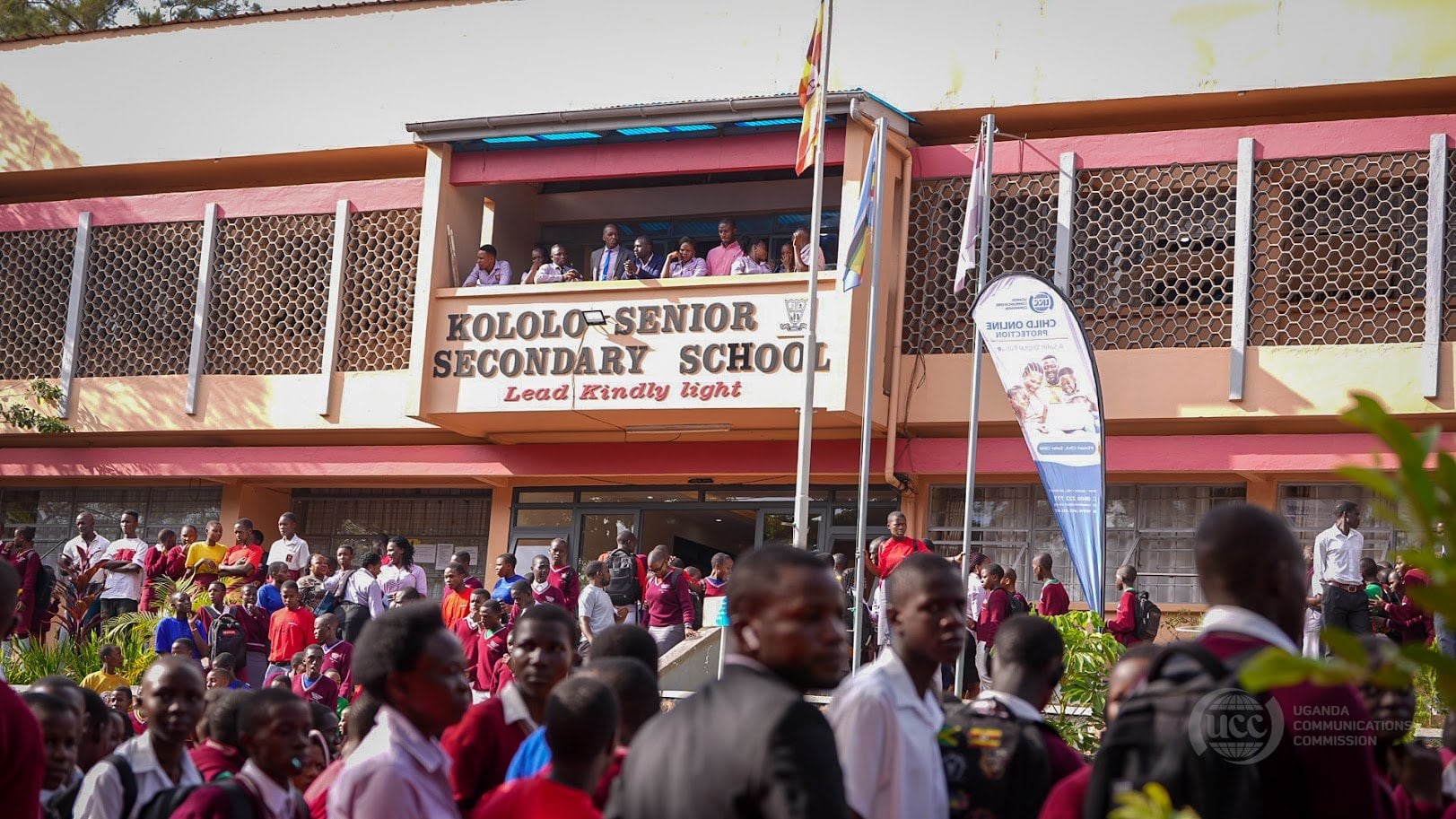
The Uganda Communications Commission launched a nationwide Child Online Protection Campaign at Kololo Secondary School following a survey revealing that 88.5% of students experienced digital harms. The October 7, 2026 initiative addresses high rates of cyberbullying and un-reported abuse through coordinated digital literacy efforts.
Ugandan authorities launched a sustained countrywide student awareness campaign aimed at tackling widespread digital abuse among young internet users. The Uganda Communications Commission introduced the initiative on Wednesday at Kololo Senior Secondary School, bringing together students, educators, and government officials to confront what officials described as a silent crisis in virtual spaces, as reported by the outlet covering the Kololo Secondary School launch.
Survey Reveals High Exposure and Silence Among Students
The survey indicated that 88.5% of the students encountered digital harms, including cyberbullying, hate speech, and misinformation, based on figures gathered from more than 5,700 students at Kololo Senior Secondary School.
Nearly three-quarters of the students who faced online risks never reported the incidents to anyone.
Children, you are exposed, but you are largely silent. That silence is a danger. A child who will not report abuse cannot be protected.
Julianne Rwakakoko Mweheire, Director for Economic Regulation, Content and Consumer Affairs, UCC
Government Outlines Regulatory Measures for Online Safety
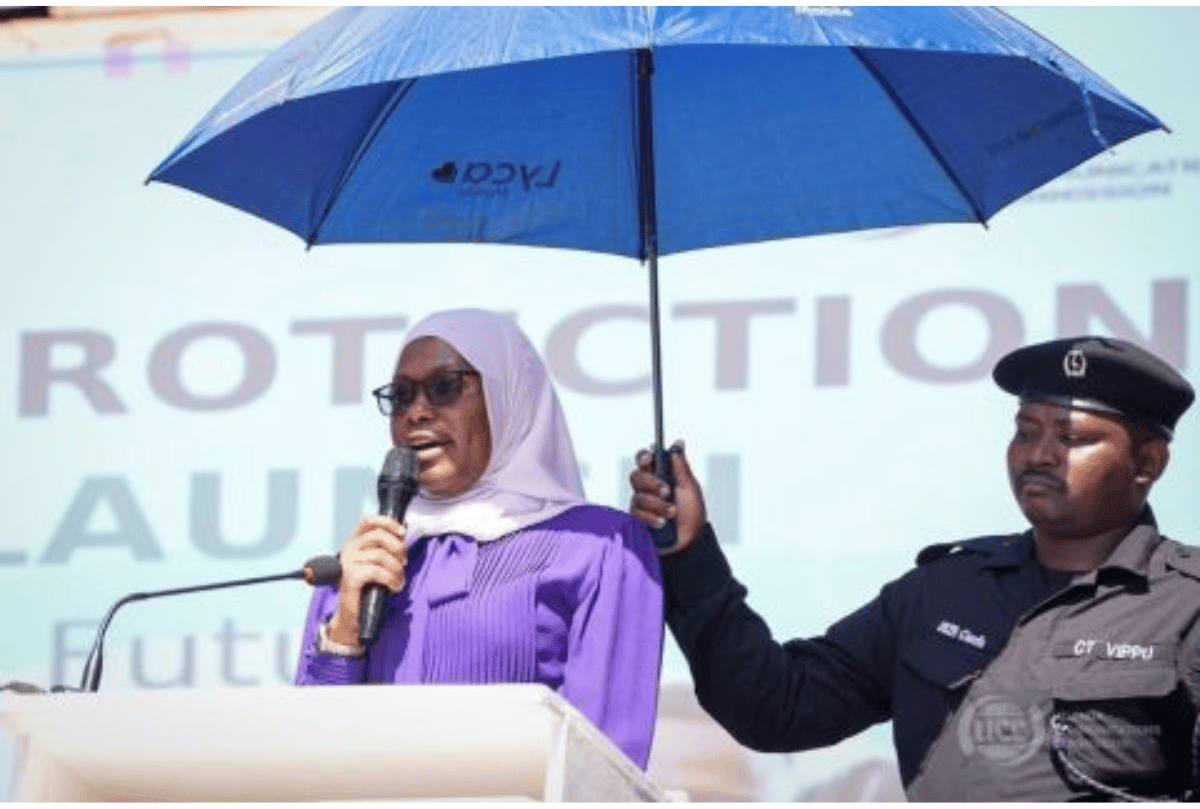
Permanent Secretary Dr. Aminah Zawedde spoke on behalf of the Minister of ICT and National Guidance to emphasize that the state does not intend to block children from digital technologies, wanting young people equipped with the skills required to secure virtual platforms.
Dr. Zawedde pointed to several active measures designed to reinforce child safety online. A Communication Policy approved by Cabinet in March 2026 safeguards personal data, while strict broadcasting rules and ongoing collaborations with Internet Service Providers aim to block inappropriate material. The government is also reviewing communications laws to modernize child protection standards for the digital era, anchored by the Child Online Protection Regulatory Framework 2026.
The internet brings enormous opportunities, but it also presents real risks to children. The question is not whether children should use the internet. They already do. The question is, how do we make sure they can learn, connect, create, and have fun online without being exposed to avoidable harm?
Nyombi Thembo, Executive Director, UCC
Stakeholders Share Responsibility for Student Protection
Survey data showed that only 73.1% of parents are aware of how their children use the internet, exposing a supervision gap as officials noted that technology companies must design safer platforms and respond swiftly to harmful content while parents remain the first line of protection for children.
- Students are urged to think carefully before posting personal information or content online.
- Learners should exercise caution when interacting with unfamiliar individuals in digital spaces.
- Children are encouraged to speak immediately to a trusted adult, teacher, or parent whenever online interactions cause discomfort or risk.
Executive Director Nyombi Thembo reminded learners that vigilance matters more than mere connectivity, and the initiative will continue rolling out countrywide awareness activities throughout October to ensure every student learns how to identify, refuse, and report digital abuse.
Related reading

COSATU Launches Nationwide Strikes Amid 43.8% Unemployment Rate
While foreign exchange markets showed little change early in the week—with the rand trading at 16.6325 against the...

UK Police Arrest Seventh Suspect in Investigation Near RAF Fairford
Following a suspected plot near RAF Fairford, British police have arrested a suspect on suspicion of preparing terrorist...
S. Jaishankar Visits Ghana to Advance India-Ghana Comprehensive Partnership
External Affairs Minister S.
Omaheke Governor Pijoo Nganate Urges Sustainable Livelihoods for Returnees
"A commemoration must also challenge us to ask: What are we doing for the living? What are we...