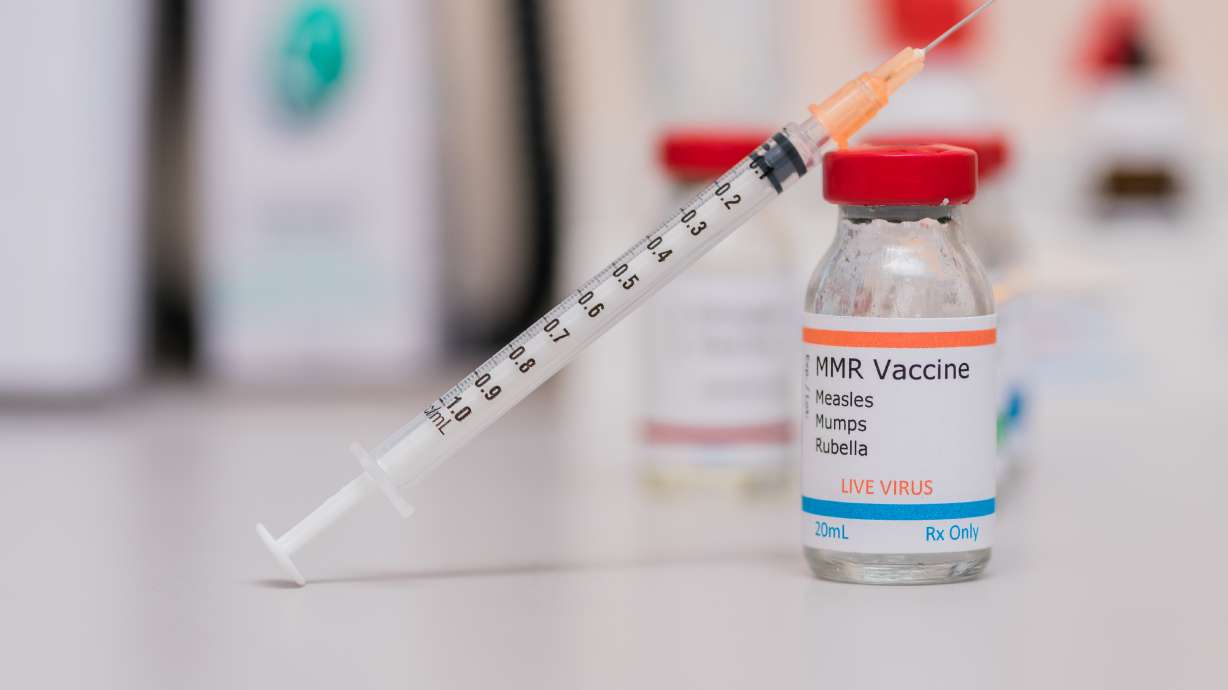
The United States has lost its measles elimination status, an independent commission reporting to the Pan American Health Organization determined this month, as outbreaks push case counts to their highest level since 1991. Pennsylvania is now experiencing the nation’s largest outbreak in more than three decades, with seven measles-associated deaths reported in 2026 alone.
The loss of elimination status marks a reversal of the declaration made in 2000 that measles was no longer continuously transmitted in the United States. An ongoing outbreak in Pennsylvania accounts for the largest share of cases, and the state health department has reported seven measles-associated deaths this year.
Cases and deaths climb across multiple states
So far in 2026, the country has recorded more measles cases than in any other year since elimination, KSL.com reported. A South Carolina outbreak raged across Spartanburg County from October 2025 through April 2026, producing nearly 1,000 cases and ranking among the largest U.S. outbreaks in decades. National data compiled by the CDC lags behind reports collected by state health agencies, KSL.com noted.
The Salt Lake Tribune editorial board wrote that in the past two years, measles has stricken a recorded 8,000 people in the U.S., with 830 requiring hospitalization and at least 13 deaths, mostly infants. The Tribune also noted long-term effects can include degenerative nerve diseases, brain swelling, and damaged immune systems that leave people vulnerable to other diseases.
📣As of Nov 17, 2026, the U. S. no longer holds measles elimination status. Measles cases are at a 30-year high, with outbreaks, hospitalizations, and deaths occurring across the country. Learn more https://t.co/yuIPqGkXrd 1/7#MMRVaccine #VaccinesSaveLives #WeArePublicHealth pic.twitter.com/1SzIU37KFN
Vaccination rates fall below herd-immunity threshold
The United States has set a target vaccination rate of 95 percent to maintain herd immunity, but coverage among kindergarteners has dipped below that level in recent years. MMR vaccine series completion among kindergarteners fell from 95.2 percent during the 2019–20 school year to 92.4 percent in the 2025–26 school year, leaving about 280,000 children at risk, according to the CDC data cited by KSL.com.
Coverage varies widely by state.
“When we talk about eliminating measles, I think we also eliminated the memory of measles,” Kylie Hall, operations director for North Dakota State University’s Center for Immunization Research and Education, told InForum. Hall said North Dakota kindergarten vaccination rates were approaching 95 percent before the COVID-19 pandemic.
Adults may need to check vaccination history
The current Pennsylvania outbreak shows the impact of rising vaccine hesitancy: just one-third of cases in that outbreak have been reported in children under 18, while adults account for the rest and most were never vaccinated, the Philadelphia Inquirer reported. Protection depends on when a person was vaccinated, because recommendations and vaccine formulations have changed over time. The Inquirer outlined the following guidance by birth year and vaccination era:
– Born before 1957: Considered to have natural immunity; no vaccine needed.
– Born 1957–1962: Doctor may order a blood test for protective antibodies; if negative, a shot is recommended.
– Vaccinated 1963–1967: May have received an inactivated (killed) vaccine that provided only short-term protection; consult a doctor about revaccination.
– Vaccinated 1968–1989: Received an improved live vaccine, but only one dose was standard; a second dose became standard in 1989, raising effectiveness from about 93 percent to 97 percent.
People in this group who did not receive two doses — especially those in outbreak areas or who are immunocompromised — may need another dose.
– Vaccinated after 1989 with two doses: No booster needed, according to CDC guidance cited by ABC News.
“If an individual received both recommended doses of the MMR vaccine after 1989, no booster is needed,” Dr. Tara Narula, ABC News chief medical correspondent, told the network.
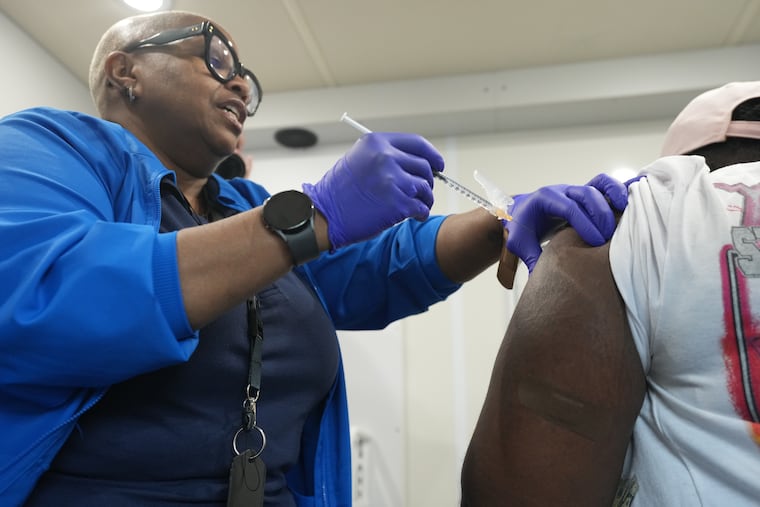
The CDC’s guidance has not changed following the loss of elimination status, ABC News reported. The agency says adults who have already received two doses of the MMR vaccine do not need a booster dose. Parents should speak with their pediatrician regarding eligibility.
Elimination status will take time to regain
In the Borderland region, proximity to the border increases the risk of transboundary transmission, he added. Nevada health officials urged heightened vigilance, noting that one case can easily lead to contact tracing of hundreds of people and that the department is already short-staffed, including a shortage of epidemiologists, KRXI reported. The Salt Lake Tribune editorial board called for government at all levels to raise the alarm and for all eligible people to get their shots.
“People’s lives are at risk,” the board wrote. The Hill published an opinion piece arguing that the anti-vaccine movement, kindled by a fraudulent report linking autism and the measles vaccine, has grown for years and that opposition to COVID-19 vaccines spilled over into routine childhood immunizations. The piece said that Robert F. Kennedy Jr., who has spent years deriding vaccines, became secretary of Health and Human Services.
More on Pan American Health Organization
We eliminated measles in the U. S. in 2000. Now, we've officially lost that status. Here's what happened, why it matters and what you can do about it. 🧵
The United States has lost its measles elimination status, the Pan American Health Organization formally announced on Tuesday. PAHO, a part of the World Health Organization, made the decision after reviewing evidence and determining that the measles virus has been continuously… pic.twitter.com/f1s6VHkRzz
Related reading
- Indian Army Releases Agniveer 2026 Final Merit List Region-Wise for Enrolment
- Hashim Claims Jeff Bezos Foundation Wants to Fund Rhino Relocation
- Inflation Since October 2024 Adds About $4,720 a Year to Household Costs (daybreakwire.com)
- United Fidelity Bank seized in largest US bank failure since 2024 (newsarchyuk.com)

Indian Army Releases Agniveer 2026 Final Merit List Region-Wise for Enrolment
The Indian Army published final merit lists for the 2026 Agniveer recruitment cycle on Saturday, allowing candidates across...

Hashim Claims Jeff Bezos Foundation Wants to Fund Rhino Relocation
Hashim confirmed the Bezos Earth Fund, represented by Lord Zac Goldsmith, is among donors interested in the plan....

Women’s Health Column Highlights Nicola Walker’s Everyday Movement Approach at 56
In a column for Women's Health, fitness editor Cori Ritchey highlights actor Nicola Walker's approach to staying active...

Philippine Coast Guard Clears Unauthorized Fish Cages in Sual, Probes Alleged Foreign Ownership
132 unauthorized aquaculture units were identified at Calpay Shoal on Sept. 15, 2026. A cease-and-desist order on Sept....