
Changes in United States tariff policies have hastened the finalization of the Indonesia-European Union Comprehensive Economic Partnership Agreement (IEU-CEPA), according to Coordinating Minister for Economic Affairs Airlangga Hartarto.
“Our goal is to increase bilateral trade from US$40 billion to US$60 billion within three years. Naturally, we hope to grow it even further, as the potential presented by a population of 730 million is immense,” Airlangga said in a statement released on Saturday. The agreement, which will establish a free-trade zone encompassing 730 million people, removes duties on over 90% of tariff lines when it is set to take effect on January 1, 2027.
Accelerated Ratification Needed
“We must speed up the ratification process so it is completed by December 1 or, at the latest, by the end of December, because the agreement must take effect on January 1. Why? Because our GSP facility expires on December 31. We must avoid a gap between the GSP and CEPA,” Trade Minister Budi Santoso told Tempo on Tuesday.
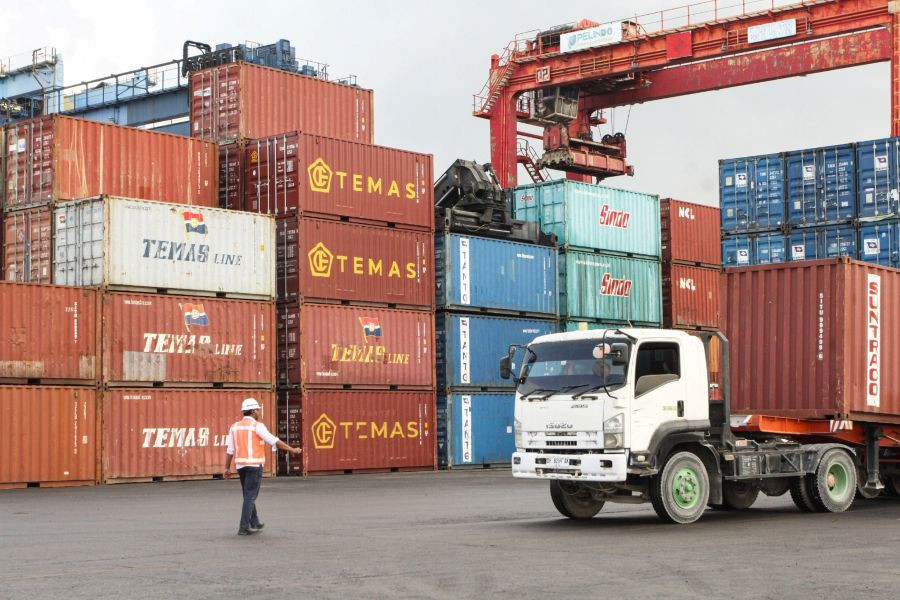
Indonesia is seeking to avoid its exports reverting to tariffs under the most-favored-nation (MFN) scheme. The European Union is targeting completion of its ratification process by mid-December 2026, he said.
Economist backs 8% growth goal
An economist said the trade deal could help Indonesia achieve President Prabowo Subianto’s 8% economic growth target by opening the economy to trade and foreign investment.
He described Indonesia as an "isolated economy" that could use the CEPA as a "stepping stone" toward broader economic liberalization. Piatkowski noted the country’s current growth rate of around 5% is “unnaturally low” and said it “could be significantly faster, even 6-8% a year” if it embraces openness to trade and foreign investment.

EU deal surpasses Vietnam’s trade figures
The new trade deal aims to boost Indonesia’s standing in the European market, where Vietnamese exports have historically outpaced its own.
Complementary Trade, Not Competition
“The two are not in competition; rather, they complement each other. We offer different products, which allows us to meet one another’s needs. That is the message I wish to convey, and I hope our colleagues in parliament will be able to ratify it soon,” he said.
European Commission President Ursula von der Leyen characterized the pact as one of the EU’s most ambitious agreements in Asia. She announced plans to host Indonesian President Prabowo Subianto in Brussels on December 11 before they travel together to the G20 summit in Miami on December 14-15.
Keep reading

Five Strengths of Viazem XL Blood Pressure Tablets Phased Out by Nov 2027 (Pharmacy Business)
Five strengths of a widely prescribed blood pressure medicine are being phased out in the UK, with the...
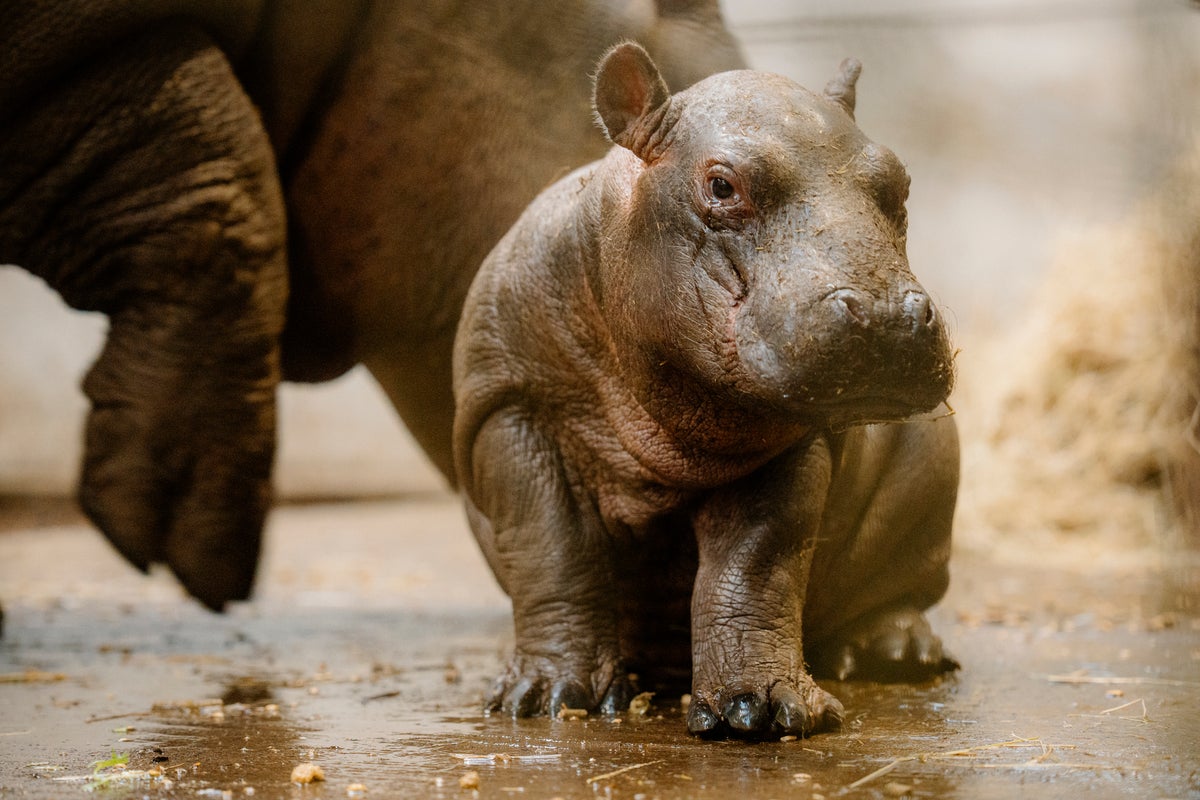
Longleat Welcomes First Hippo Calf in 40 Years
Longleat Safari Park in Wiltshire has welcomed its first hippopotamus calf in more than four decades, a birth...

Haryana Police Use Water Cannons on Youth Congress Protesters
Haryana police fired water cannons at Indian Youth Congress protesters outside Meta's Gurugram office on Saturday, escalating a...

Mother of Dublin Stabbing Victim Says There is ‘No Closure’ After Attacker’s Life Sentence
The mother of a young girl stabbed in a Dublin attack has said there is "no closure" following...