
The Trump administration proposed a new SNAP eligibility rule on Nov. 10 that would cut another 118,000 Arizonans from food aid, deepening losses that have already erased 390,000 recipients since July 2025.
- USDA projects a 22.7% enrollment drop in Arizona, affecting 118,000 people.
- Nationwide, 6.3 million would lose benefits by fiscal 2029.
- Public comments on the rule are due Dec. 10.
- Arizona’s SNAP rolls have fallen 43% since July 2025, the steepest decline nationally.
New rule targets state flexibility
The U.S. Department of Agriculture’s Nov. 10 proposal would end “broad-based categorical eligibility,” a policy that lets states expand SNAP access using non-cash services funded by Temporary Assistance for Needy Families (TANF). Arizona uses this option to raise the gross-income limit to 200% of the federal poverty level and eliminate the $3,000 asset cap that applies under standard federal rules.
USDA officials labeled the practice a “loophole” which “has enabled states to take shortcuts, error rates to balloon, and those households with income and assets far above federal limits access to a benefit meant for the neediest among us.” The department anticipates the change would reduce SNAP rolls by 6.3 million people nationwide by fiscal 2029, a 17.6% reduction, and decrease federal spending by more than $44 billion from fiscal 2027 to 2031.
Arizona already seeing historic declines
Enrollment in Arizona’s Nutrition Assistance program had already fallen roughly 390,000 since July 2025, when Congress tightened eligibility through the One Big Beautiful Bill. By April, enrollment had dropped 52% from that peak; it partially recovered but remained 43% below July 2025 levels as of October, according to state data analyzed by the Center on Budget and Policy Priorities. No other state has seen a larger decline.
“It would be cutting off people who are working and complying with a variety of different rules to get these benefits, but still unable to make ends meet,” said Ashley St. Thomas, director of public policy for the Arizona Food Bank Network. She told Cronkite News that demand at food banks has surged since the July law took effect.
Ripple effects on school meals and WIC
The proposed rule would also sever automatic eligibility for free school meals in high-poverty schools. Joseph Palomino, director of the Arizona Center for Economic Progress, warned of a “cascading impact” if SNAP enrollment drops below the threshold that allows entire schools to offer universal free meals without individual applications.
USDA’s own analysis projects 1.78 million children would lose automatic eligibility for free school meals, though 1.66 million would still qualify through a separate application. Another 93,000 would qualify for reduced-price meals, leaving 28,000 to pay full price. Summer nutrition aid could stop for 42,000 children nationwide. Arizona’s SUN Bucks program provides $120 per child.
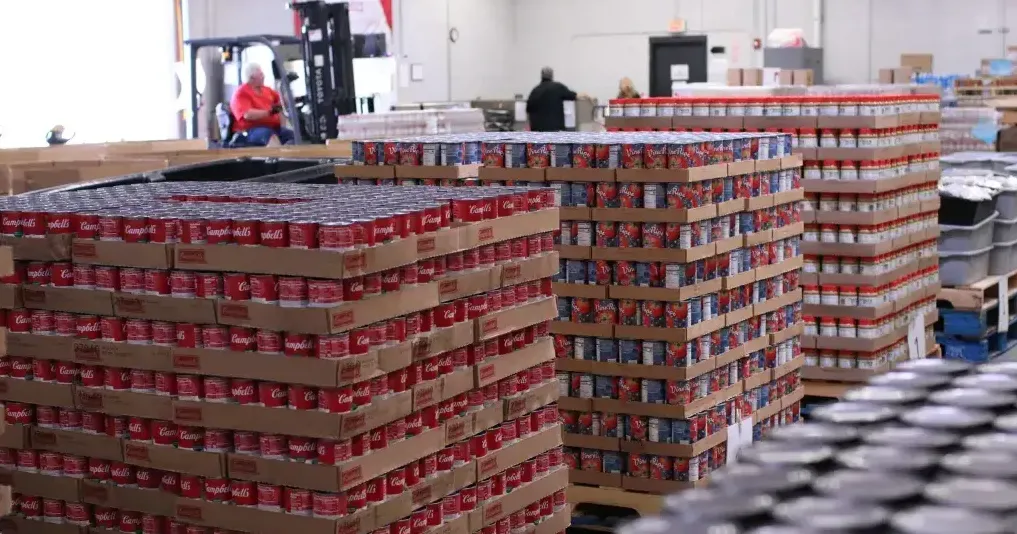
The change would also impact 22,000 participants in the Special Supplemental Nutrition Program for Women, Infants and Children (WIC) whose eligibility is tied to SNAP. USDA estimates about a quarter would lose WIC eligibility.
Nell Menefee-Libey, senior public policy manager at the National WIC Association, said during a Food Research and Action Center webinar that USDA likely underestimates the impact: “Any additional administrative burden that gets added to the certification process for any benefit program makes it less likely that eligible families will complete certification and access the benefits.”
Senate Democrats object to SNAP rule change
Democrats on the Senate Agriculture Committee objected in a Nov. 13 letter to Agriculture Secretary Brooke Rollins, writing that efforts to eliminate broad-based categorical eligibility “failed repeatedly during farm bill negotiations” and the rule is “contrary to congressional intent and the law.” The Trump administration proposed a similar change in 2019 that was withdrawn under President Joe Biden.
The Arizona Department of Economic Security said it is “reviewing the proposed rule and analyzing its potential impact to Arizonans receiving SNAP.” A public comment period runs through Dec. 10, after which USDA could issue a final rule.
Keep reading

Hawaii Opens 2027 Season vs. UCLA in Week Zero, Shifts San Diego State Game to 2027
Hawaii will open the 2027 football season at home against UCLA on Aug. 28, moving the game up...

Virginia Tech Seeks 7th Win Against Virginia in Commonwealth Cup Clash
Virginia Tech quarterback Beau Pribula has not thrown for more than 225 total yards in a road game...
New Orleans Bar Association Releases Judicial Candidate Biographical Sketches
The New Orleans Bar Association has released biographical sketches for candidates in the November 3, 2026, judicial election,...

Luke Fickell Wants Both Joseph and Hopkins Back at Wisconsin
Wisconsin appeared set at quarterback with Ryan Hopkins until Colton Joseph led the Badgers to consecutive wins over...