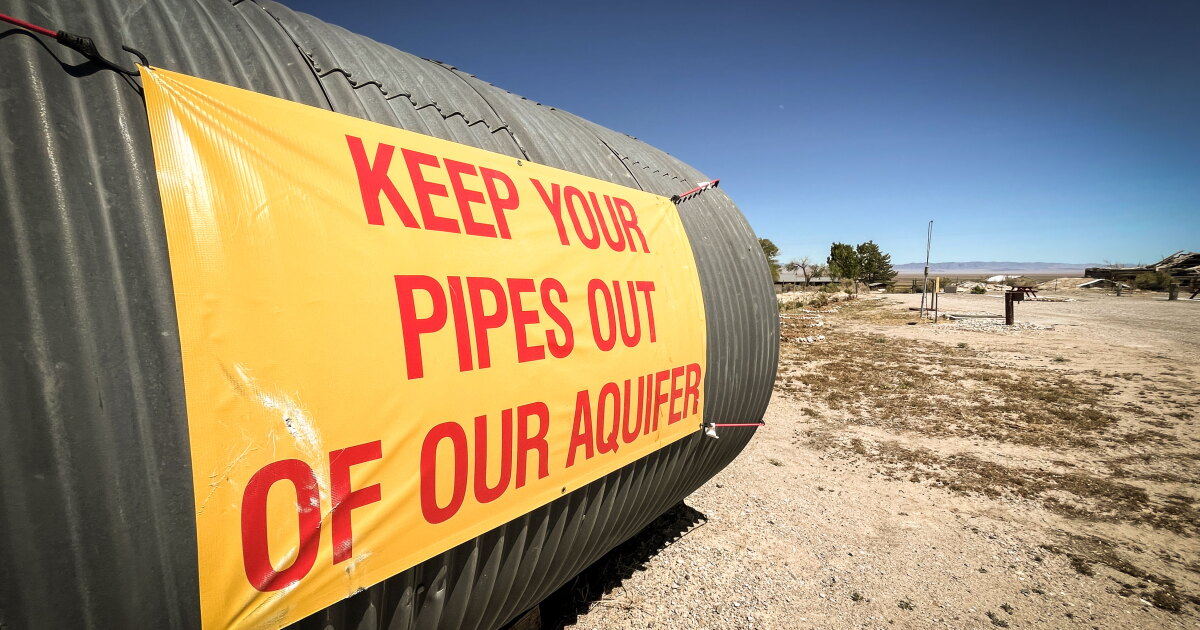
Water scarcity is driving a high-stakes confrontation in Utah’s West Desert as Cedar City prepares to tap into remote groundwater reserves.
The proposed pipeline project seeks to move water from rural valleys to growing urban centers, pitting municipal expansion against the survival of traditional ranching and Indigenous water rights.
The Cedar Valley Water Conservancy plans to pump groundwater from western Beaver County and transport it through pipelines to support the fast-growing population of Cedar City, KUER reported. While the project’s first phase involves 15 wells in Pine Valley, the second phase targets the Wah Valley, a desolate stretch of land in western Beaver County where underground aquifers provide the only reliable source of life.
For local ranchers, the stakes are existential. Mark Wintch, a rancher whose family has worked the land, views the potential extraction as a threat to his entire way of life.
“When I say this is my everything, it truly is,” Wintch told KUER while gesturing toward a spring near his home. “Without this water, I have no house, I have no farm, I have no ranch. It’s really our everything.”
Wintch expressed skepticism regarding the reliability of the project, calling the plan to secure a steady supply a “fantasy” that will ultimately fail to deliver the water promised despite massive investments of time and money.
The cost of urban growth
Cedar City currently serves just over 40,000 residents, but officials expect the population to grow by another 15,000 within the next decade. As the demographic shifts from agricultural users to residential ones, the demand on local aquifers is intensifying.
Paul Monroe, general manager of the Cedar Valley Water Conservancy, said that the area already consumes more water annually than its local aquifers can naturally sustain. He argued that without the pipeline, the region’s economic trajectory would be forced to change.
“If the Pine Valley project were not to happen, economically, here you’d definitely see things shift,” Monroe told KUER. “You limit, potentially, who may be able to come into the area at that point.”
The conservancy has been developing this pipeline concept for two decades to stabilize its limited supply. Earlier this year, the Bureau of Land Management granted the project's right-of-way, clearing a major regulatory requirement.
The scale of the infrastructure is immense. The first phase alone is estimated to cost approximately $280 million and will require more than 60 miles of pipe along with a new solar power plant to facilitate the transfer. Construction is not expected to begin until the 2030s.
Ranchers and tribes oppose the project on legal and ecological grounds
The project faces a broad coalition of opposition, including ranchers, conservation groups, three other Utah counties, and the Indian Peaks Band of the Paiute Indian Tribe. Although appeals from these groups were dismissed earlier this year, legal battles may continue.

Melissa Kay, an attorney representing the Indian Peaks Band of the Paiute Indian Tribe with the Native American Rights Fund, argued that the project threatens tribal water rights and was approved without sufficient consultation with the band. She also cautioned that the massive infrastructure costs would likely lead to higher water rates for all residents, including tribe members.
“You’re sort of putting a band-aid on this problem by trying to go out and drain a different valley,” Kay told KUER, suggesting the city should prioritize conservation and wastewater reuse over new extraction.
Environmental advocates also warn that tapping into “ancient water” can have permanent consequences. Kyle Roerink, a senior advisor with the Great Basin Water Network, highlighted the risk of depleting non-renewable resources that sustain delicate desert ecosystems.

“This is a non-renewable resource,” Roerink told KUER. “Once this is gone, it doesn’t come back.”
The Great Basin Water Network has previously fought similar proposals, such as a plan to pipe water from Snake Valley to Las Vegas. Opponents argue that exporting groundwater from parched regions could create ecological ripples affecting as far north as the Great Salt Lake due to the interconnected nature of groundwater systems.
The conservancy maintains that the project is necessary and will include safeguards. Monroe said that the agency will monitor groundwater levels and can implement mitigation measures, such as reducing pumping or sharing water with local users, if levels drop. He added that even if the project yields only half the expected water, the investment remains vital given the rising costs of water development in the West.
As the legal and social tensions mount, the future of the Wah Valley remains tied to the decisions made in the coming years. Mark Wintch, watching the gates of his ranch, remains wary of the municipal momentum.
“Their hope is that they’ll just outlast and outlive you, but we’re not going to go away,” Wintch said.
Keep reading
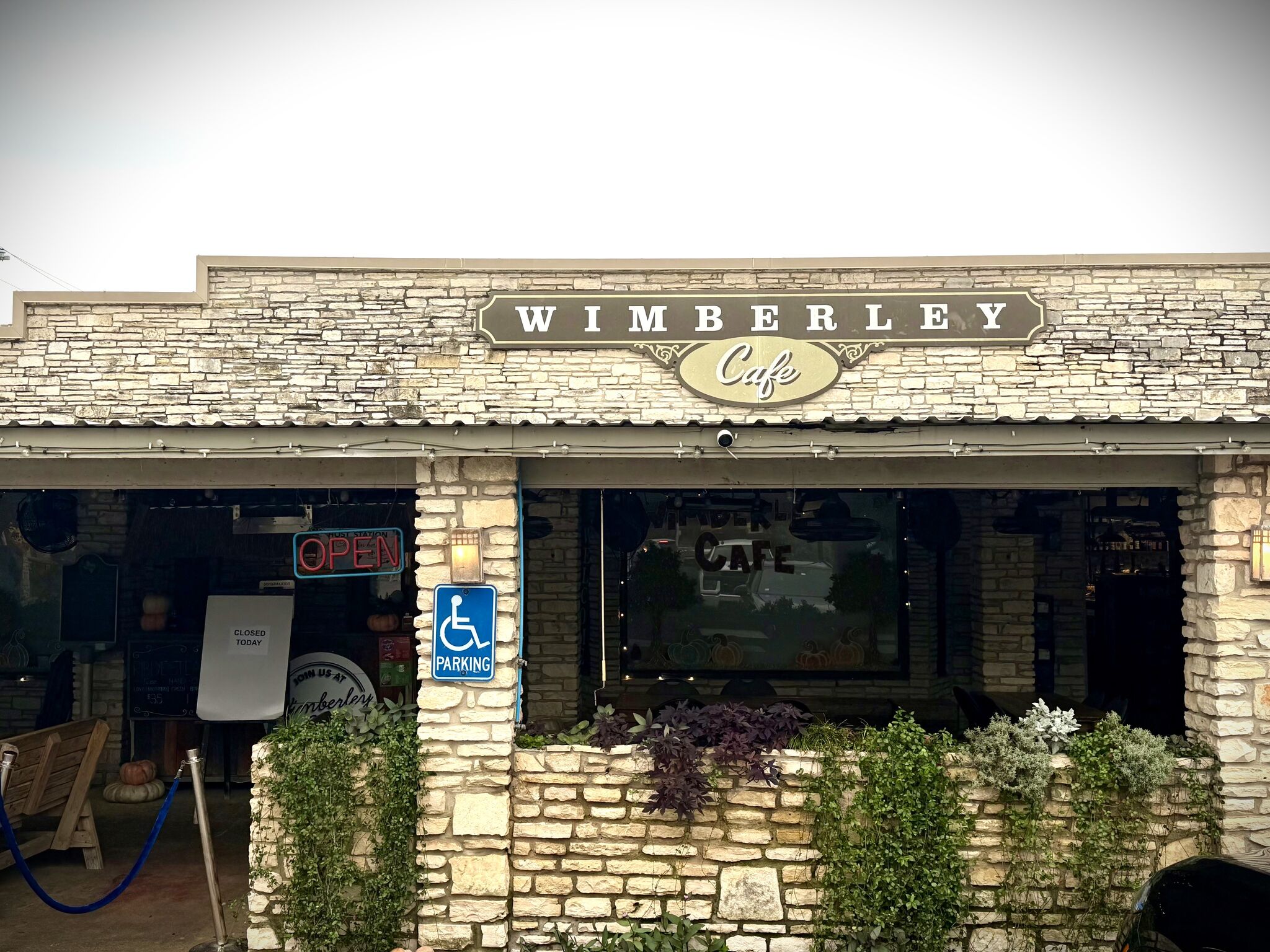
Wimberley Cafe Closes Indefinitely After Midnight Kitchen Fire
A midnight fire ravaged the prep kitchen of the Wimberley Cafe early Tuesday morning, forcing an indefinite closure...

Eddy Pierre-Louis Probable, Ryan Fodje Doubtful for Oklahoma vs. Ole Miss
Eddy Pierre-Louis is considered probable for Saturday's matchup against No. 19 Ole Miss, according to the initial SEC...

Columbia to Phase Out Text and Call Multi-Factor Authentication
Columbia University is officially pulling the plug on phone calls and text messages as valid forms of multi-factor...

RICCO and Brown University Chorus Present Handel’s Messiah
The Rhode Island Civic Chorale and Orchestra (RICCO) will perform Handel’s complete Messiah this December in both Providence...