Valve has released SteamOS 0.3.0 for the Steam Frame, addressing critical early criticisms by substantially boosting charging speeds while the standalone VR headset is powered off or sleeping, alongside controller tracking refinements and a microphone audio fix.
SteamOS 0.3.0 Brings Much-Needed Charging Upgrades
When Valve launched the Steam Frame on September 14, early reviews pointed to a frustrating drawback: sluggish power delivery. Ars Technica noted that the headset barely manages to crawl past an hour and a half on a full charge when pushing graphically intensive VR titles in Performance mode. Compounding that short battery life was a lengthy recharge cycle that approached three hours.
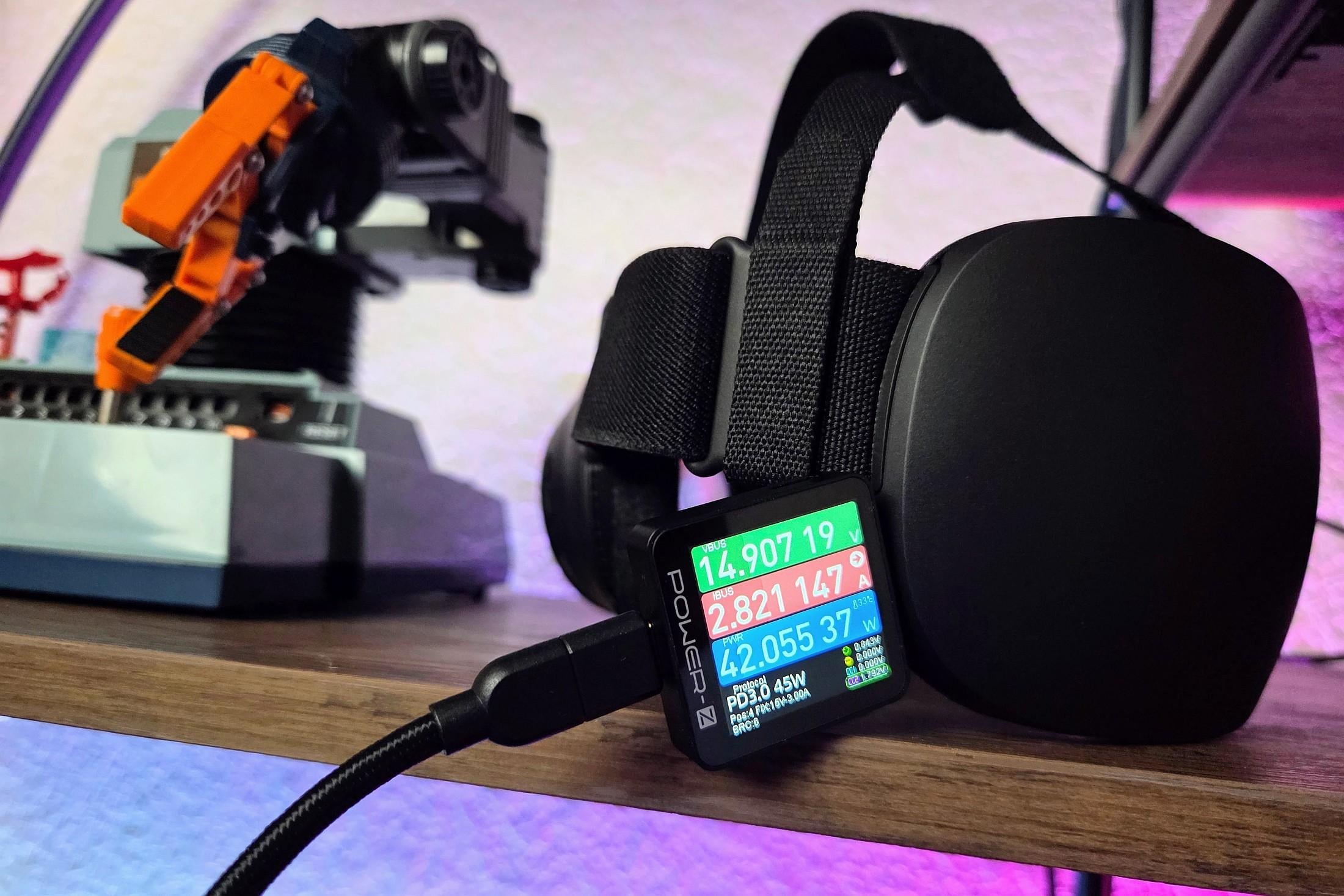
Valve responded just three days later with SteamOS 0.3.0, promising substantially faster charging while unit is off / sleeping. Independent testing reveals that the patch goes even further than official changelogs indicate. Prior to the update, a depleted headset drew roughly 8 watts initially and peaked at 27 watts. Post-update testing by The Verge showed initial draw jumping to between 19 and 21 watts, reaching up to 42 watts even while a game runs. Valve officially recommends pairing the hardware with a 45W or faster USB-C charger, sold separately from the base $1,059 headset.
Hardware Capabilities and the High Cost of Admission
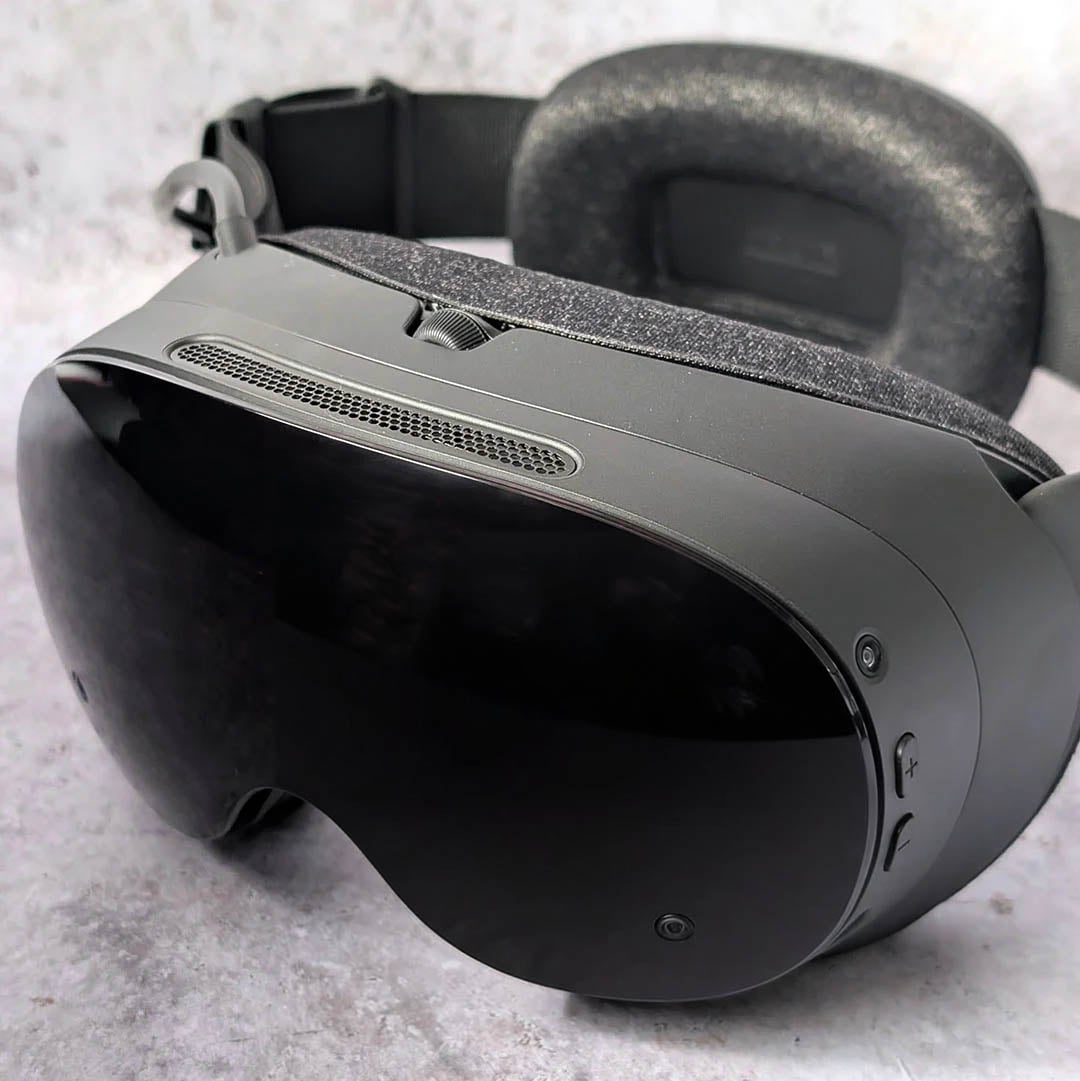
Priced at $1,059 or £889 for the entry-level 256GB model, and scaling up to $1,299 or £1,089 for the 1TB variant, Valve’s standalone headset sits at a steep price point. Every purchase includes a complimentary copy of Half-Life: Alyx to soften the initial financial blow. Under the hood, the system runs on a Qualcomm Snapdragon 8 Gen 3 chip paired with a unified pool of 16GB LPDDR5X memory, doubling the RAM found in Meta’s Quest 3 and 3S hardware.
Meanwhile, rolling out hardware updates presents a logistical puzzle: purchase emails for US and European buyers only began going out on September 18, meaning very few retail customers actually owned the headset when the update dropped.
Audio, Motion Smoothing, and Developer Adjustments
Beyond power delivery, SteamOS 0.3.0 targets several software friction points. Valve resolved a frustrating garbled audio
microphone bug and improved system stability under heavy operational loads. Controller tracking also receives a boost specifically when haptic feedback vibrations are active.
User interface adjustments fix a persistent bug where the per-application Motion Smoothing Force Always-On setting was previously ignored. Valve also refined motion smoothing behavior inside Half-Life: Alyx, introduced a dashboard setting to dim games when menus are visible, and stopped the Play Area settings page from automatically flashing boundary lines.
What the Update Means for Software Compatibility
Developers working within the ecosystem see meaningful criteria adjustments in the latest patch. Valve changed its Playable performance standards for standalone games, allowing software to qualify at any resolution rather than enforcing a strict 1440p threshold. Combined with targeted Vulkan layer fixes and Mesa graphics performance improvements, the software adjustments aim to widen game compatibility as the library grows beyond its initial optimized titles.


AI Actor Tilly Norwood Switches to Cantonese During Piers Morgan Interview
Tilly Norwood, a photorealistic virtual performer created by British production company Particle6, unexpectedly switched from English to Cantonese...

Yoshinori Kitase Confirms Final Fantasy 7 Revelation Launches April 8, 2027
Square Enix company director Yoshinori Kitase confirms that Final Fantasy 7 Revelation will launch on April 8, 2027,...

Kunal Kemmu’s Vibe Earns 1.50 Crore Rupees on Opening Day
Kunal Kemmu's sophomore directorial feature Vibe opened in theaters on September 18, 2026, pulling in 1.50 crore rupees...

Superstar K3 Singer Shin Ji-soo Marries Hong Kong Financial Expert
Shin Ji-soo, who rose to fame on the 2011 audition program Superstar K3, married a non-celebrity Hong Kong...