
The Frayed Edges of a Vermont Coalition
Gov. Phil Scott spent the Saturday before the final stretch of the election cycle marching down the moonlit streets of Rutland on a towed trailer bed festooned with blue and yellow balloons. Surrounded by young girls dressed as pill-shaped Minions from a popular kids’ comedy franchise, the five-term Republican governor strapped on a pair of oversized industrial goggles for an impromptu photo op, smiling widely as parents captured vertical iPhone shots for social media. It is a familiar autumn ritual for a politician who has spent every penultimate weekend before an election marching in this exact parade since taking office as lieutenant governor in 2010.
I know you're frustrated.I am too.Property taxes are out of control, health insurance is too expensive, and housing costs continue to rise.I've worked on your behalf to prevent hundreds of millions in even higher taxes that Vermonters simply can’t afford.But too often the… pic.twitter.com/zIOouPF847
Yet behind the festive facade of the Rutland Halloween Parade, the ideologically diverse coalition that propelled Scott to a landslide victory with 71% of the vote just two years ago is showing distinct signs of fracture. Vermont Public reported that a late September poll showed Democratic and Progressive challenger Amanda Janoo trailing the incumbent by just 10 points, with other surveys pointing toward a statistical dead heat as voters head toward the Nov. 3, 2026 election.
Affordability Meets the Reality of Unfinished Business
Scott’s entire 26-year political career—stretching from the state senate to the executive branch—has been anchored in a working-class upbringing in Barre, where lessons around granite and fiscal frugality shaped his political identity. That message of low taxes and fiscal restraint continues to resonate in conservative districts like Rutland.

I really love Vermont, and I feel like she’s got kind of an optimistic view about what Vermont is and can be better about in the future. That’s one of the reasons why I’m kind of like, well, you know, maybe time to move on.
At the center of this friction is education reform. In his 2026 State of the State address, Scott issued an ultimatum to the Democratically controlled Legislature: force school district consolidation or face blocked funding. The governor wants to fold Vermont’s 119 school districts into five while giving the state control over spending caps, arguing that sweeping structural change is the only way to curb public school costs that have climbed by nearly $1 billion during his tenure.
Local Control and the Friction of Legislative Power
Voters, however, remain deeply resistant to state-level oversight of their classrooms. The Vermont Public 2026 Poll revealed that 57% of Vermonters believe school spending decisions should remain local, compared to just 21% who favor state control. Among Republicans, that desire for local autonomy climbs to 73%.
Scott insists he is the only leader willing to tackle the hard choices, warning that without his helm, lawmakers will revert to the easy path. But having more influence in Montpelier—thanks to a 2024 election cycle where Republicans broke Democratic supermajorities—has made it harder for the governor to point the finger entirely at the Legislature. Former Democratic Gov. Howard Dean dismissed Scott’s strategy of blaming lawmakers, telling Vermont Public it was laughable for a five-term executive to shirk responsibility for stalled progress.
At the same time, national political currents complicate the incumbent’s path. The Republican Governors Association and an associated super PAC have poured more than $930,000 into attack ads painting Janoo as fringe, marking the RGA’s heaviest financial footprint in Vermont since Scott’s initial 2016 campaign.
Whether his carefully cultivated personal brand can survive the erosion of his broad legislative coalition remains the defining question of the closing days of the campaign.
Worth a look

Arizona Auto Theft Trends: The Rise of High-Value Vehicle Fraud
Arizona is seeing a paradoxical shift in auto theft: while official reports show the lowest number of stolen...

Why Alaska Is a Cheap Bargain for National Political Power
A U.S. Senate seat in Alaska carries the exact same weight as one from California or Texas when...

UAH Basketball Earns No. 25 Spot in NABC Preseason Poll
The University of Alabama in Huntsville (UAH) men's basketball program has entered the 2026-27 season with national momentum,...
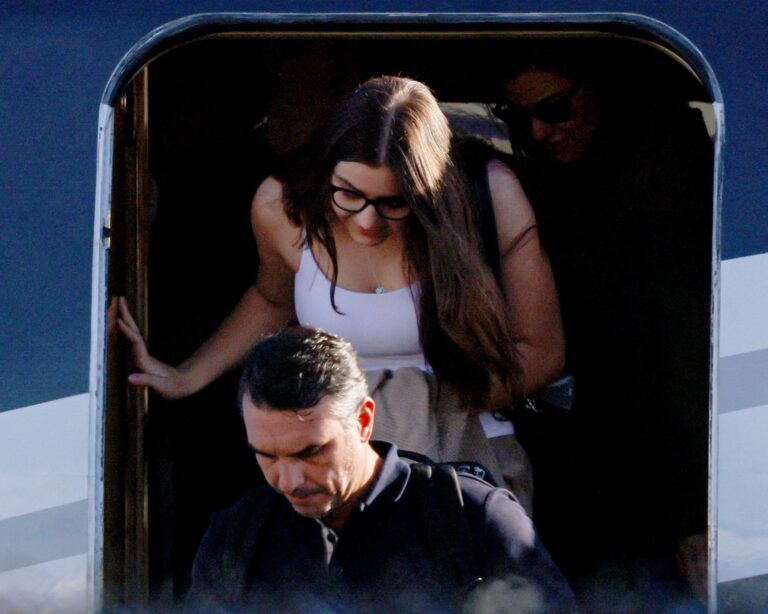
Flávio Bolsonaro Lands in Miami After Brazil Election Defeat
Brazilian Senator Flávio Bolsonaro and his family landed in Miami, Florida, on Wednesday, October 28, 2026, after fleeing...