
Williamstown homeowners Monique Hayden and John Taylor bypassed a perceived ban on solar energy by installing a system that powers their home without exporting electricity to the grid.
The pair had originally been told they could not go solar, only to discover the restriction imposed by the Washington Electric Cooperative applied exclusively to net-metering connections, not to the generation of power for personal use.
The couple’s home is served by the Jackson Corners substation, which currently bars new net-metering connections. According to the Vermont Post, Washington Electric Cooperative does not plan to upgrade the facility until 2028. Hayden clarified the misunderstanding in the utility’s member newsletter, noting that the restriction covered exports of surplus electricity rather than the installation of panels themselves, Compass Vermont reported.
Grid capacity remains a localized issue. While a 2024 study by Green Mountain Power (GMP) identified substantial room for additional solar capacity across southern Vermont and the Rutland area, individual connection viability is often dictated by the capacity of neighborhood transformers, according to GMP, as reported by Yahoo News.
New solar installations in Vermont now face a 5-cent-per-kWh generation charge applied to all production, including electricity consumed on-site. For systems 15 kilowatts or less, the Public Utility Commission currently provides surplus-power credits of approximately 20.7 cents per kilowatt-hour exported, though these are capped at the utility’s residential rate.

The shift in Vermont’s peak electricity demand—now moving into the hours after sunset—has increased the utility of home batteries. These units serve both as backup power and as a tool to mitigate peak demand.
During the highest-demand hour in New England last July, home batteries accounted for more than half of the $6 million in savings realized by GMP customers, said Kristin Carlson, GMP’s vice president overseeing strategic and external affairs.
Washington Electric Cooperative plans to upgrade the Jackson Corners substation in 2028, but the timing and details of the work beyond that year have not been announced, the Vermont Post reported. The substation serves Hayden and Taylor’s home and currently does not accept new net-metering connections.
The Vermont Public Utility Commission is currently in the process of rewriting net-metering rules. Renewable Energy Vermont has urged caution during this transition, stating:
“Getting the rulemaking done right is more important than getting it done fast,” Renewable Energy Vermont wrote.
Homeowners are advised to verify with their utility and installer whether local lines can accommodate solar before signing contracts. Consumers should also examine sample summer and winter bills that account for generation charges and export credits. As regulations change, GMP continues to offer battery rebates and leases, and the Vermont Electric Cooperative provides compensation for members who enroll their battery systems.
It is not yet known how the updated net-metering rules will specifically alter the financial viability of systems that do not export power to the grid.
Worth a look
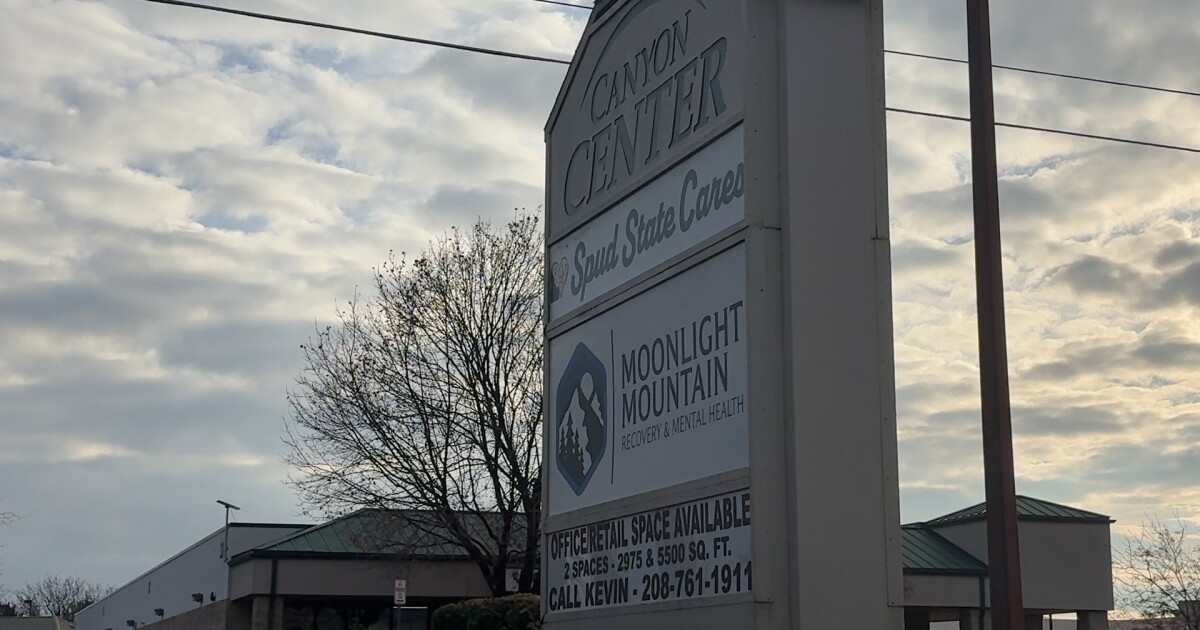
Medicaid Cut Forces Moonlight Mountain Recovery Residents Out With One Day’s Notice
Moonlight Mountain recovery residents received just one day’s notice to leave their Nampa homes after a sudden Medicaid...

Nasdaq Opens 7% Higher as Nvidia Surges 30% on Huang Return; AI Concentration Risks Mount
The tech-heavy Nasdaq stock index roared back to life on Monday, opening nearly 1,700 points or 7% higher...

DOJ Secures $18M in Cybersecurity FCA Settlements With ILC, Johnson Controls
Cybersecurity compliance remains a primary target for the U.S. Department of Justice, which recently secured two major settlements...

Georgia Airports Receive Nearly $50 Million in Federal Grants for Runway Upgrades
Nearly $50 million in federal grants will flow to Georgia airports for runway and airfield upgrades, U.S. Sens....