Klan organizers expected a quiet, rapid expansion across Vermont in the 1920s, but instead ran into fierce local resistance that toppled their movement.
The revived Ku Klux Klan reorganized in 1915 near Atlanta, mixing white supremacy with nativist ideas and hostility toward Catholics, Jews, immigrants, and organized labor. Organizers first appeared in Vermont in the spring of 1922 before launching a serious membership drive in 1924 directed from Rochester, New Hampshire. Springfield established the first chapter, quickly followed by groups in Washington County, St. Johnsbury, and Chittenden County.
Chapters formed parallel women’s groups, such as “The Women of Northfield” and Montpelier’s organization led by Emma Nichols. Members held secret meetings before shifting to public gatherings under burning crosses on hilltops, fairgrounds, and islands. In Montpelier, Catholics faced direct targeting when a cross burned in their cemetery on July 19, 1924, and another appeared on the steps of St. Augustine’s Catholic Church on November 21, 1925.
Communities pushed back quickly through petitions, boycotts, and ordinances restricting masks or hooded parades. Ministers denounced the bigotry, and outlets like the St. Albans Messenger asserted that Klan organizing efforts would be frustrated by the “biting blast of Vermont common sense.” Criminal acts, including a cathedral break-in, mishandled funds, and internal leadership disputes, damaged the group’s image and eroded support.
National officials claimed 10,000 members, but historian Kenneth Jackson estimated that only about 2,000 Vermonters were formally initiated between 1915 and 1944. The last notable public event was a rainy July 4, 1927, parade of hooded members through Montpelier. Later recruitment drives, including robed appearances by Imperial Wizard Bill Wilkinson in May 1982 and 2015 flier distributions in Burlington, drew immediate counter-protests and failed to establish a sustained presence.

Robert Griffin III Calls for Utah to Be Ranked No. 1 as Only Undefeated FBS Team
Former NFL quarterback Robert Griffin III called for Utah to be ranked No. 1 in the College Football...

Stamford Man Sentenced to 10 Years for Mailing Kilograms of Fentanyl from West Coast to Connecticut
A Stamford man was sentenced Tuesday to 10 years in federal prison for mailing kilograms of fentanyl from...

Driver Charged with DUI, Assault After Crashing Into Mary Peltola’s Vehicle at Nearly 4x Legal Limit
A blood test showed 0.304 percent alcohol — nearly four times Alaska’s 0.08 legal limit — in the...
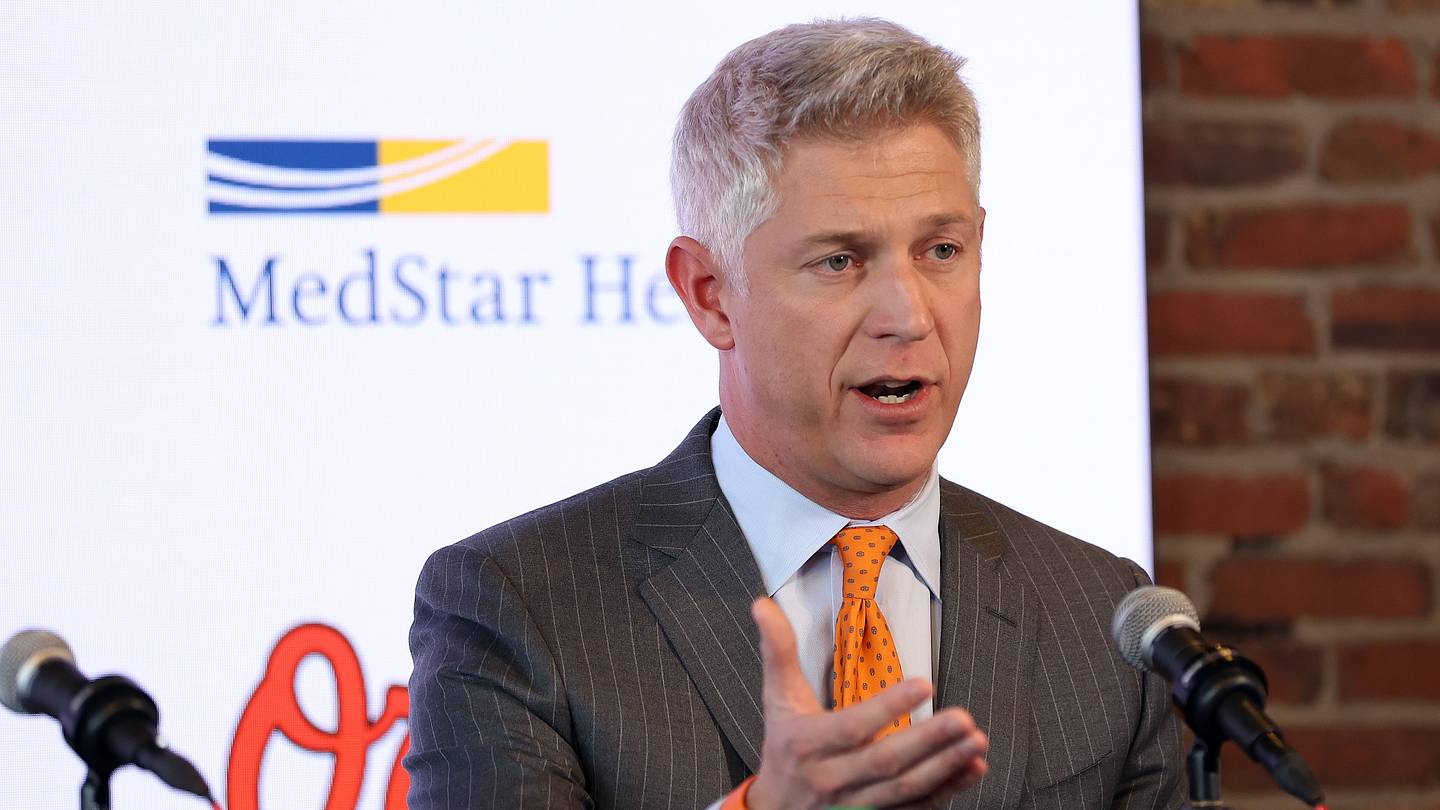
WTOP: Orioles Agree to $125M Deal With Freddy Peralta
The Baltimore Orioles agreed Tuesday to a five-year, $125 million contract with right-hander Freddy Peralta, a deal that...