
Vermont claims top spot for US safety
“The safest states in America protect their residents from harm in a multitude of different ways, from keeping crime rates low and maintaining safe roadways to having strong economies and job markets that prevent people from falling into dangerous financial situations,” Chip Lupo, a WalletHub analyst, said in a statement.
Vermont has been named the safest state in the nation, according to a new study from the personal finance website WalletHub, as reported by Travel & Leisure. The study evaluated states across 52 different safety indicators, spanning categories like financial security, road safety, workplace conditions, and emergency preparedness.
While violent crime across the United States fell by approximately 9.3 percent last year—a decline the FBI describes as its largest year-to-year drop—public safety remains a primary driver for Americans looking to relocate or retire. This shifting demographic interest has placed a spotlight on the Northeast, a region that dominates the top of the latest rankings.
New England dominates the safety rankings
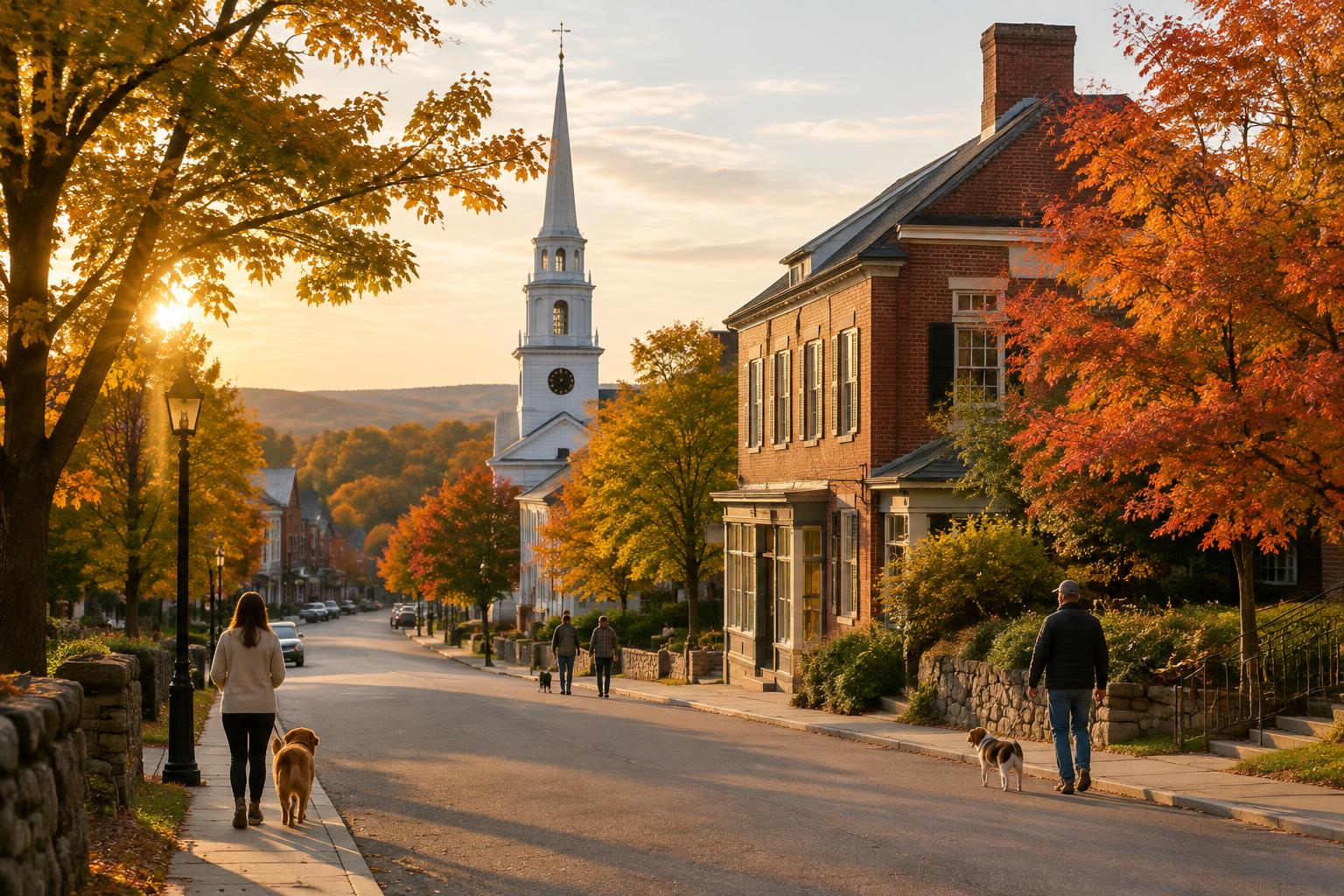
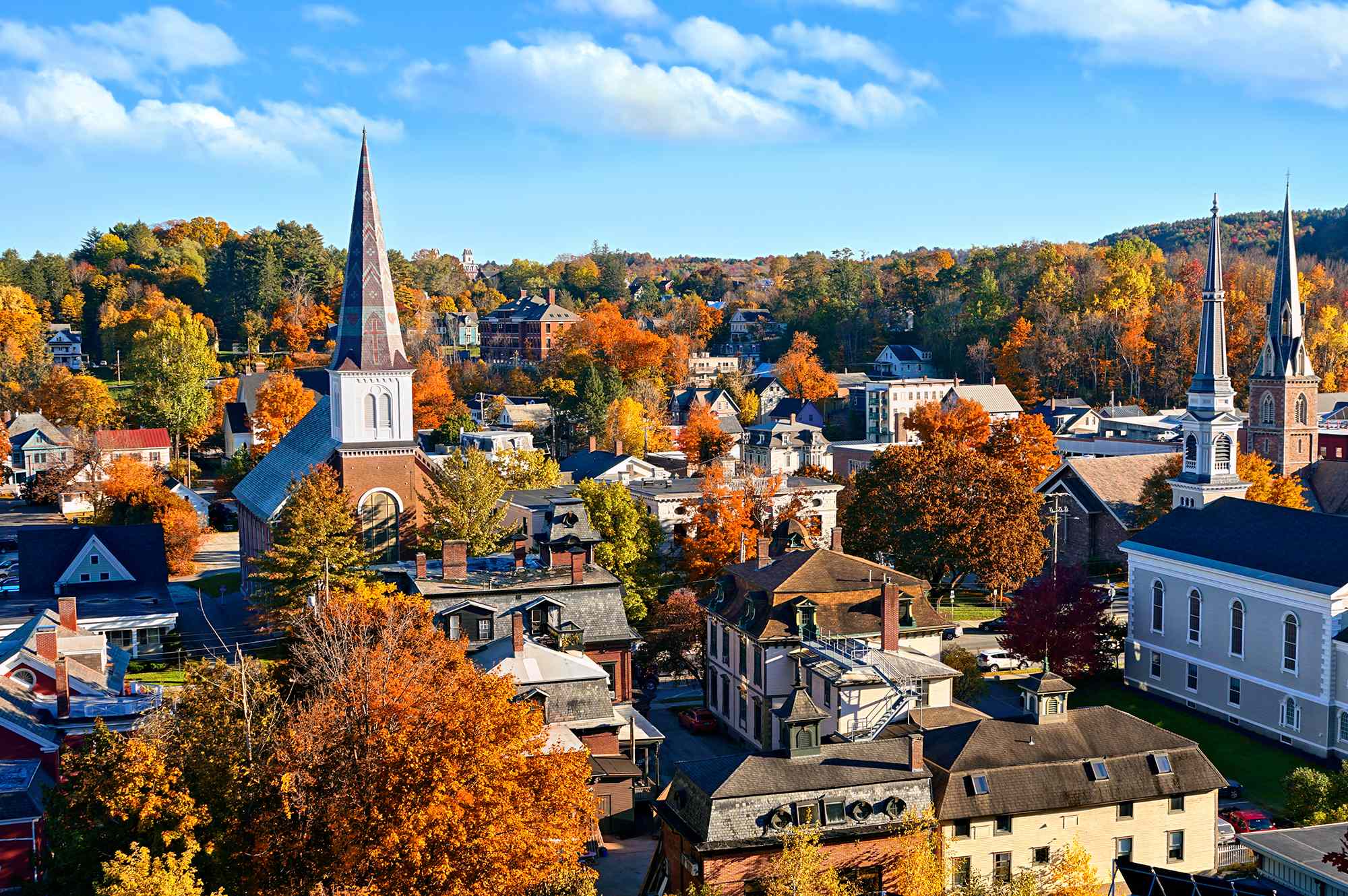
The data suggests a heavy geographic concentration of security in the upper Northeast. According to New England Press, the top five safest states in 2026 are all located within New England: Vermont, Massachusetts, Maine, New Hampshire, and Connecticut.
Vermont secured the number one position by performing exceptionally well in both financial and road safety. The state maintains a low unemployment rate of just 2.6 percent, per the Vermont Department of Labor, and reports some of the lowest rates of identity theft in the country. Nearly 76 percent of parents in the Green Mountain State believe they live in safe neighborhoods, the third-highest percentage in the country.
Massachusetts followed closely in second place. The state excelled in financial safety metrics, specifically regarding emergency preparedness. WalletHub reported that Massachusetts has the third-highest percentage of households saving for unexpected expenses and ranks sixth nationally for families setting aside money for college funds.
Maine took the third spot, though New England Press notes a distinction in how safety is measured. While WalletHub ranks it third, SafeHome.org’s 2026 analysis suggests Maine may actually be the safest state in the country when looking strictly at raw FBI violent crime data. Maine’s violent crime rate sits at approximately 100 incidents per 100,000 residents, a figure roughly 72 percent below the national average.
The following table compares the top three states based on the WalletHub study metrics:
| Rank | State | Key Safety Drivers |
|---|---|---|
| 1 | Vermont | Low unemployment (2.6%), high neighborhood safety perception, and low identity theft. |
| 2 | Massachusetts | High emergency savings rates and low vulnerability to natural disasters. |
| 3 | Maine | Strong financial stability and high resident confidence in school and neighborhood safety. |
The divide between crime rates and financial security
The study highlights a complex relationship between physical safety and economic stability. A state might have low crime but high financial vulnerability, or vice versa. For instance, New Hampshire ranked third overall in the WalletHub study due to its top-three finishes in personal and financial safety, even as U.S. News rankings placed it first for public safety based on FBI crime rates.
Connecticut also appears as a high performer in the region. New England Press reports that the state holds the third-lowest violent crime rate in the nation per 2026 World Atlas rankings. Furthermore, SafeHome.org analysis indicates Connecticut saw the largest year-over-year drop in violent crime of any state during 2025.
However, these rankings are not without nuance. Experts caution that methodology dictates the outcome. While WalletHub incorporates 52 factors including workplace and road safety, other lists rely solely on reported FBI crime data. The Bureau of Justice Statistics estimates that more than half of all violent crimes go unreported, meaning state averages can sometimes mask disparities between specific cities and rural towns.
At the opposite end of the spectrum, Mississippi was ranked as the 50th and least safe state. The study noted that Mississippi struggled in several critical categories, including emergency preparedness, financial safety, workplace safety, and road safety.
As Americans continue to weigh the costs of living against the quality of life, the data suggests that the most “secure” locations are those where economic stability and physical safety overlap.
Related reading

Bruins Battle Panthers in Physical 4-1 Victory Amid Divisional Rivalry
The Bruins answered Florida's physicality with a 4-1 win The Boston Bruins reclaimed some measure of dominance over...
Baltimore Leaders Say City Is Better Prepared for Winter Season
Baltimore city leaders announced Monday that municipal agencies have completed preparations to manage the upcoming winter season, citing...

Battle Grounds Gaming Cafe Relocating From Portland to Vancouver
Battle Grounds Gaming Cafe is relocating from Portland to downtown Vancouver, Washington, with a new 4,119-square-foot space slated...

Topeka Middle School Principal Charged With Child Sex Crimes
Todd W. Haag, the 56-year-old principal of Jardine Middle School, faces multiple felony charges related to alleged child...