
In an essay for the Arkansas Times, Vic Snyder argues that the recreational assets of Little Rock, particularly those centered around the Arkansas River, offer a level of convenience and variety that often goes unrecognized by local residents.
Snyder highlights the Little Rock Regional Chamber’s “Life in Little Rock sounds great to me” initiative as a starting point for discussing the city’s natural resources. He suggests that the Arkansas River serves as an essential hub for family recreation, noting that many people living in the area may not fully realize the scope of what the waterway provides.
The author describes a lifestyle integrated with the local landscape, noting that he spends time daily on the Arkansas River Trail. His observations include frequent efforts to pick up litter both on the trails and along the river banks, sometimes while using a canoe.
Snyder points to River Mountain Park as a primary site for diverse outdoor activities. He notes that the location serves as a frequent launch point for hunters during duck season, who often utilize maps provided by the U.S. Army Corps of Engineers to navigate the river.
According to Snyder, the proximity of the park to major transit routes allows for efficient use of time. He recounts an interaction with a hunter at the boat ramp, located half a mile from the I-430 bridge, who noted the ability to hunt before heading to work.

Similar patterns of brief, intensive recreation occur during other seasons. Snyder observed young men hunting Canadian geese for two consecutive days, noting they would complete their activity and immediately depart for their jobs.
The river also supports a large fishing community. Snyder has observed frequent bank fishing at the park and has counted as many as 16 vehicles with trailers present at a single time. He describes some participants as highly dedicated, including a couple who use the location to maintain their skills and equipment for bass tournaments.
One fisherman Snyder spoke with near the Jimerson Creek Bridge mentioned that while fishing was slow during one specific morning, the previous days had been highly productive. This individual practices catch-and-release, taking photographs of the bass before returning them to the water.

Beyond individual recreation, Snyder highlights organized activities like the Rock City Rowing program. He notes the program’s boathouse is situated next to the River Mountain boat ramp, with participants often practicing on the Little Maumelle River.
While Snyder characterizes the program as small, he notes it is competitive. He specifically mentions that the team has seen at least two female rowers secure college scholarships through the sport.
“I like it for our kids because it gets them outside on the water in nature with a group of kids who value fitness,” Snyder wrote.
The author compares the atmosphere of the rowing program to a “church camp regatta,” describing it as a healthy activity for local youth. Although the program does not utilize eight-person boats, it does operate several quads.
Snyder concludes by reflecting on the value of local access. He notes that in his own past travel experiences, he has stayed in accommodations that were farther from the water than the distance between his home in Little Rock and the Arkansas River Trail.
Keep reading
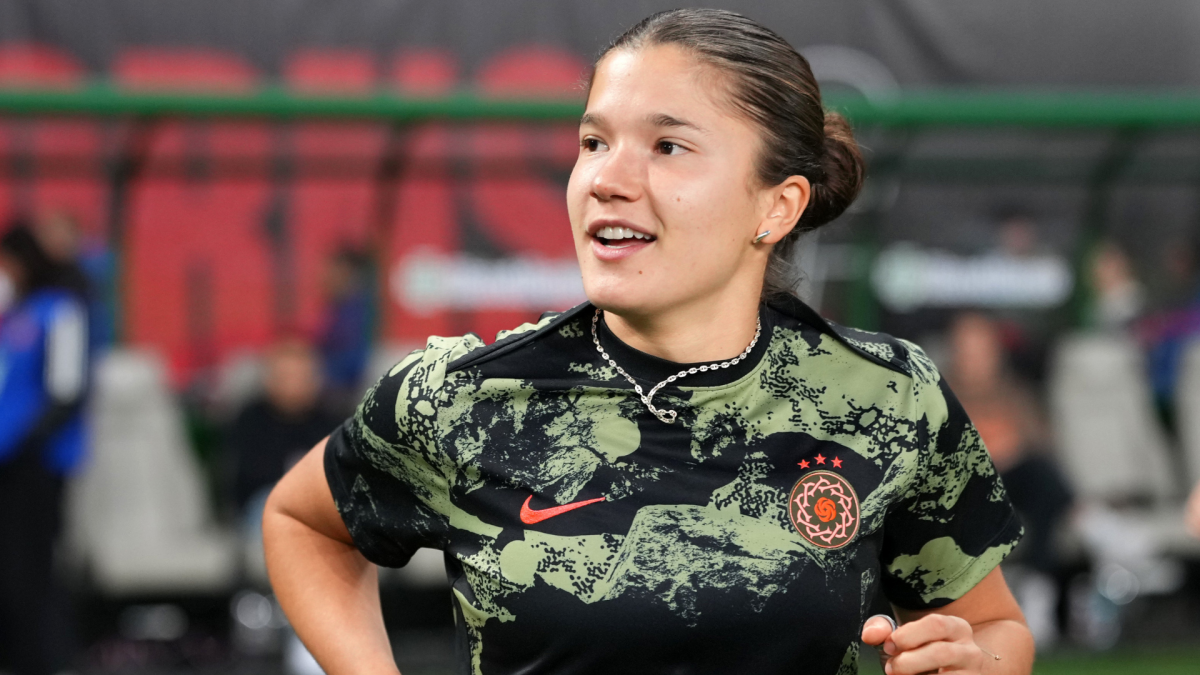
Tordin and Wilson Could Help Thorns Challenge Spirit in Playoffs
Fans can watch the Washington Spirit face the Portland Thorns in the NWSL quarterfinals this Sunday, November 8,...

Louisiana Tech Dominates Troy 41-17 to Extend Winning Streak and Sun Belt Lead
Louisiana Tech defense forces five turnovers in Troy victory Louisiana Tech extended its winning streak to six games...
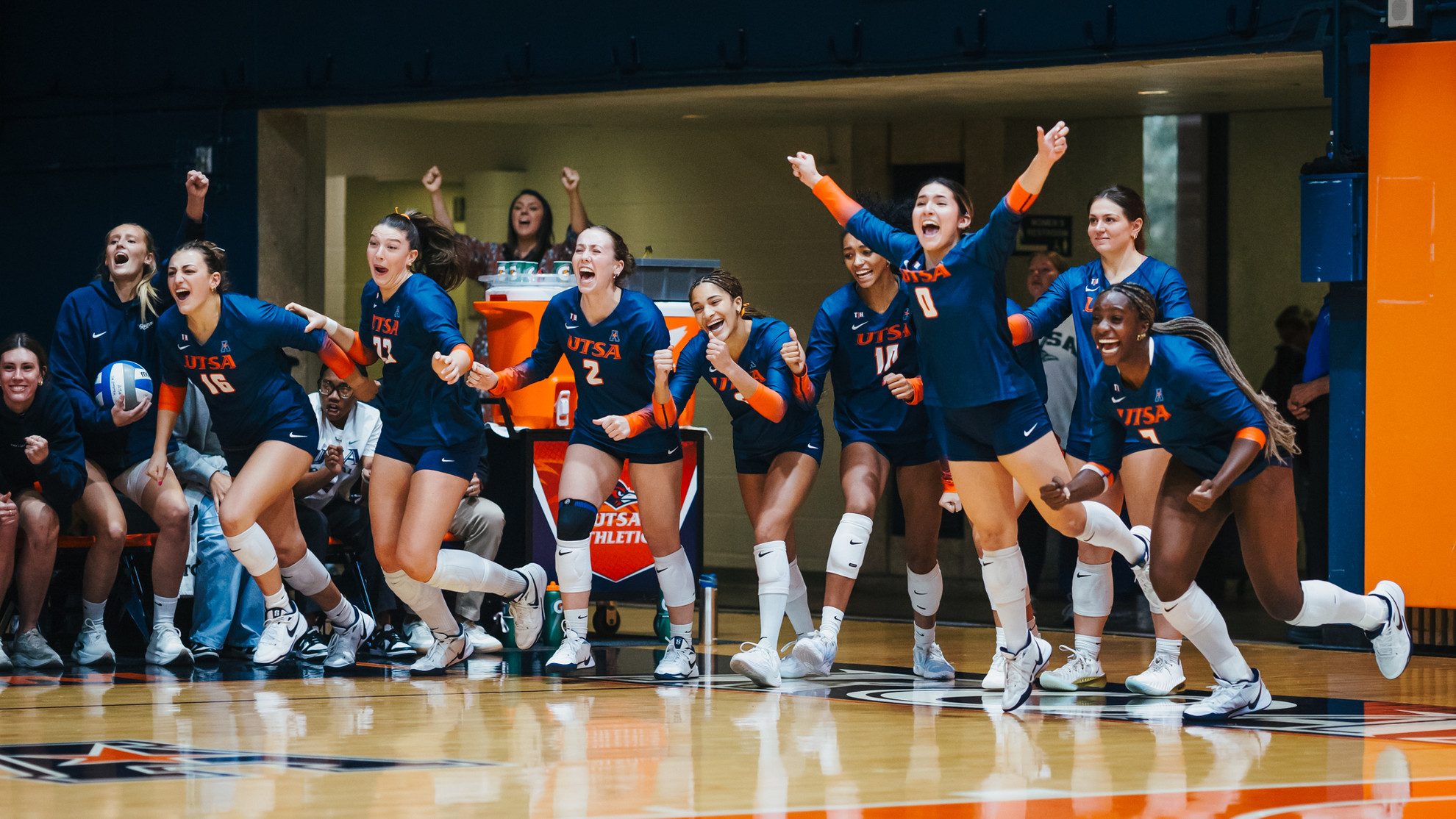
UTSA Volleyball Snaps Losing Skid With Four-Set Win Over Wichita State
UTSA snaps losing streak with four-set win over Wichita State The UTSA Roadrunners returned to the win column...

Daniyal Khan Appeals 20-Year Sentence for Grooming and Abducting Iowa Girl
“I truly apologize to the victim and to the family,” Daniyal Khan said during his sentencing, according to...