
“People are going crazy. They think the world is going to end in one day,” said John “JC” Castillo, owner of Stock Pile Tactical.
The sense of urgency is palpable in retail aisles across the Southeast. In Laurens County, South Carolina, the neat rows of ammunition and gear that once defined Castillo’s shop are being replaced by empty hooks and gaps. According to WRDW, sales at his tactical supply store have surged by roughly 60% to 70% as customers scramble to prepare for what they believe is an imminent, large-scale emergency.
This sudden spike in consumer behavior—characterized by heavy purchases of bottled water, dehydrated meals, batteries, and firearms—is being driven by viral social media claims of a looming 90-day nationwide blackout. While the panic is manifesting in empty shelves and overflowing shopping carts, the actual catalyst is a profound misunderstanding of a military readiness initiative rather than a government plan to sever civilian power.
A military readiness plan becomes a viral doomsday myth
The friction between reality and social media perception began with the unveiling of FORTRESS America. On September 30, Defense Secretary Pete Hegseth introduced this long-term strategic blueprint designed to harden the U.S. military against modern threats, specifically targeting cyberattacks and sabotage. The core objective of the plan is to ensure that if a major disruption hits the nation’s civilian grid or critical infrastructure, the military retains the autonomy to operate.
Under the FORTRESS America framework, various military departments and defense agencies are tasked with building the capacity to function independently for at least 90 days. This involves securing energy independence, strengthening supply-chain resilience, and establishing a strategic defense reserve to ensure the armed forces can continue their mission during a crisis.

However, the nuance of a military internal readiness plan has been stripped away by short-form video content. For many, the “90-day” figure was not encountered in a defense briefing, but via TikTok clips featuring darkened city skylines and urgent text overlays warning viewers to “stock up now before it’s too late.”
“We know that more nations are engaging in cyber attacks,” said Sean Evans, chair and professor of political science at Union University. “We’re concerned about sabotage, so the whole idea is that if something happens that our military will be prepared. They’ll have a 90-day supply of energy. They’ll have backup ammunition.”
The disconnect highlights a growing challenge in the digital age: once a frightening headline like “90-DAY BLACKOUT COMING” mutates through social algorithms, the technical reality of a defense policy becomes nearly impossible to reinsert into the public consciousness.
The tension between preparation and panic
For many shoppers, the line between being a responsible citizen and a panicked consumer has become blurred. Kayla Fairchild, a customer at Stock Pile Tactical, described the psychological toll of the viral content. She noted that while she is nervous, she feels a compulsion to buy survival basics because she does not want to be the only person caught off guard.
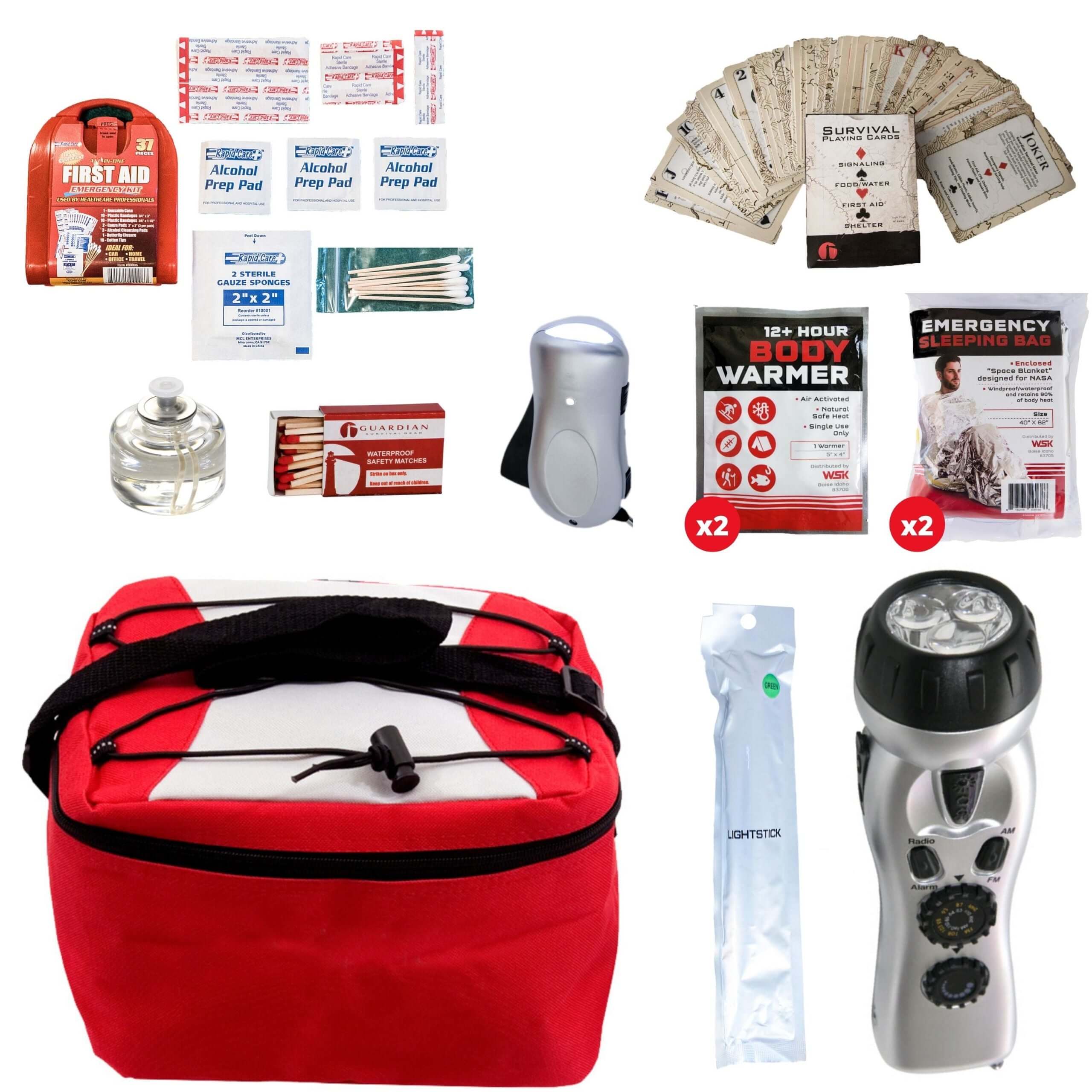
This sentiment is mirrored in warehouse stores throughout the Augusta area, where employees report a steady stream of customers loading carts with long-shelf-life foods and backup fuel. While some business owners see a familiar seasonal bump in sales, the current wave is distinct because of the specific, widespread mention of the 90-day blackout rumor.
There is a significant economic and social cost to this misunderstanding. While individual preparation is a personal choice, the collective reaction can strain local supply chains. When consumers buy out entire sections of essential goods based on unverified social media claims, it can leave others—particularly those in vulnerable demographics—without access to basic necessities.
The Pentagon and independent analysts have remained consistent in their messaging: FORTRESS America is a plan for military resilience, not an authorization for a national blackout. Yet, as Castillo observed while looking at his picked-over shelves, the damage to the local retail landscape is already done.
“I don’t know if it’s gonna happen, hopefully it doesn’t, but get prepared,” Castillo said.
Worth a look
Bryant Dominates No. 21 Albany 31-7 to End Ranked Win Streak
Bryant Bulldogs stun No. 21 Albany with 31-7 victory The Bryant Bulldogs disrupted the FCS playoff landscape on...

No. 22 New Mexico defeats Nevada 31-3 at Mackay Stadium
The New Mexico Lobos secured their first victory in Reno on Friday night, using a dominant second half...
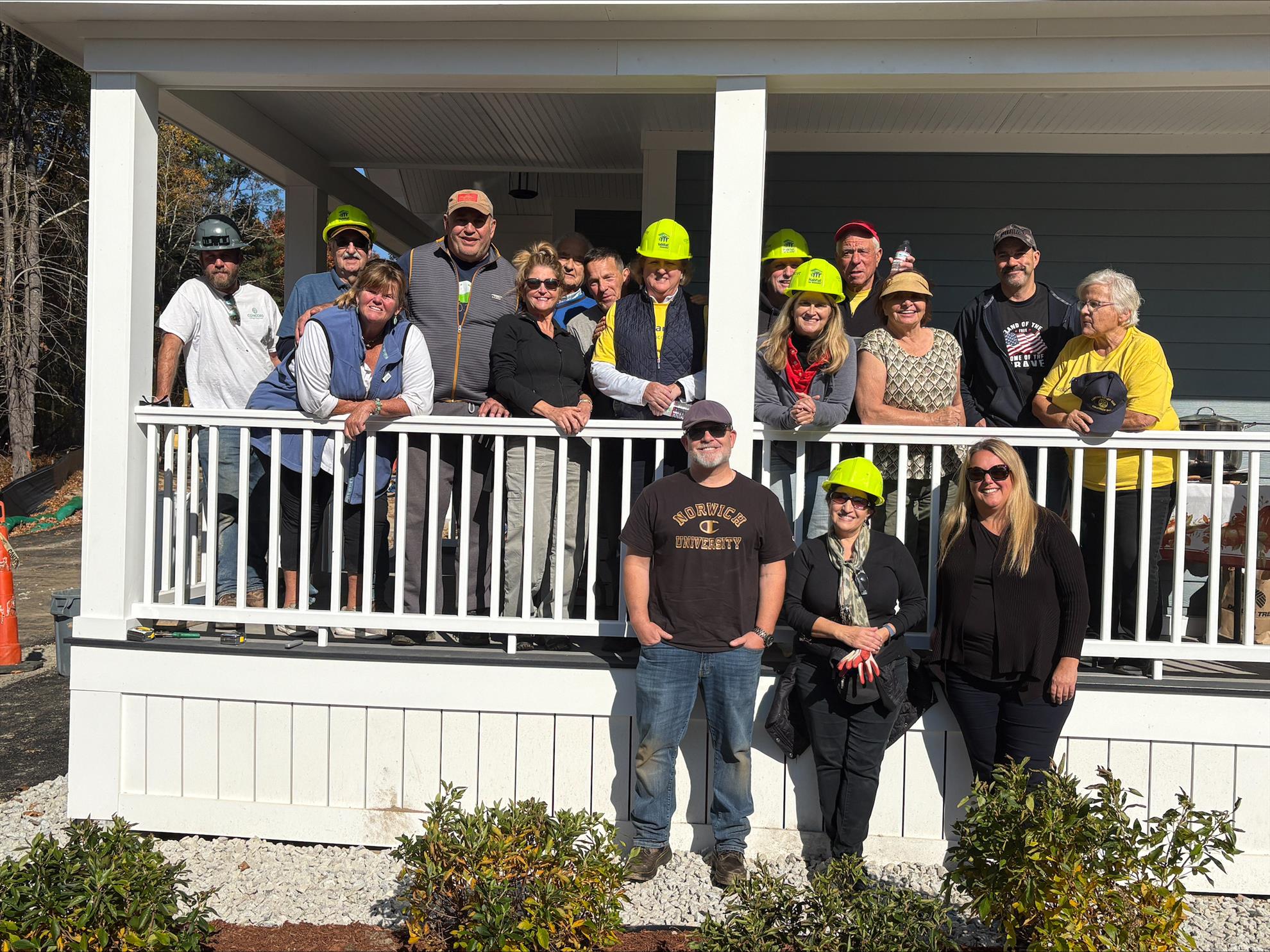
Rotary Club of Concord volunteers landscape Habitat for Humanity site
Rotary Club of Concord Volunteers for Habitat for Humanity Build Day More than 20 volunteers gathered on October...

Treasure Island pirate skull moved from Neon Museum for restoration
A piece of the Las Vegas skyline moves to the workshop The 32-foot-tall pirate skull that once loomed...