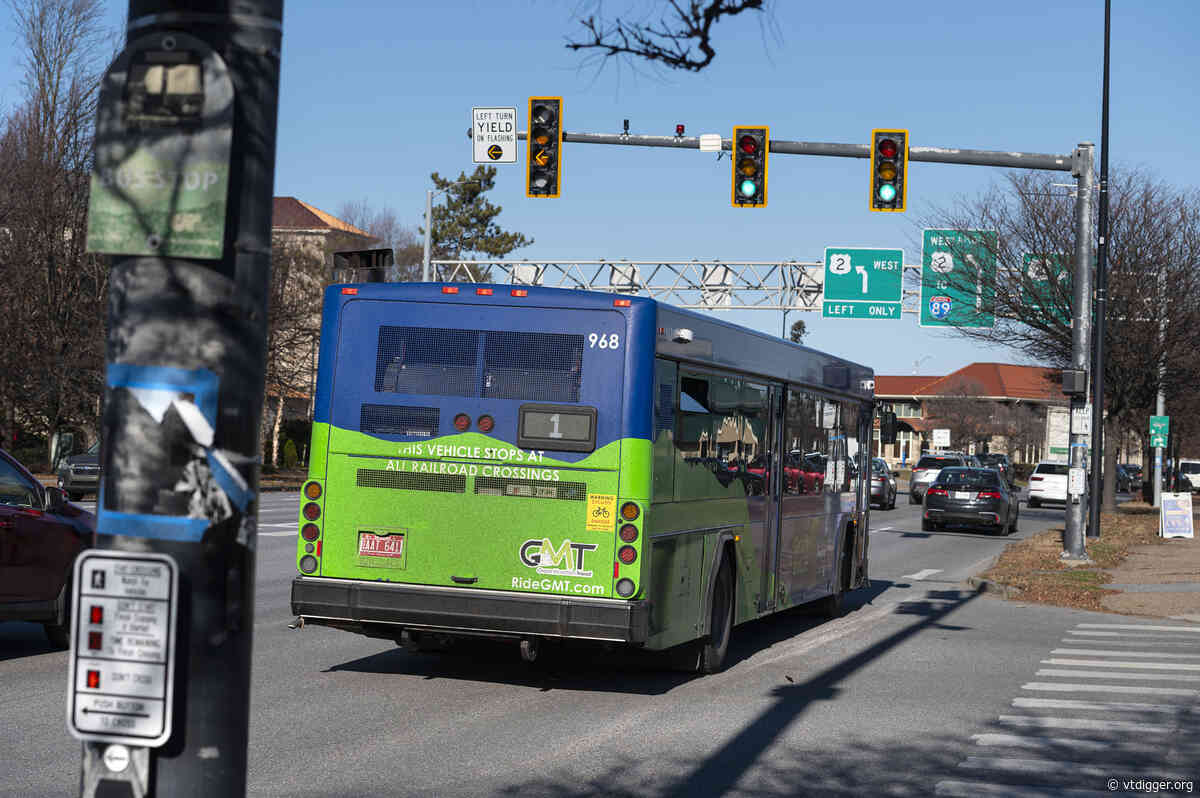
A transit signal priority system cut bus wait times at four South Burlington intersections by at least 65 percent since June, VTDigger reported.
- Buses on Route 1 now wait a combined 22 seconds outbound and 11 seconds inbound at the four lights, down from 66 and 74 seconds.
- Cross-traffic delay increased by at most four seconds on average, with no resident complaints received.
- The six-month pilot cost $16,256, split between South Burlington and Green Mountain Transit.
- Officials want to extend the program into 2027 and expand it to more corridors.
How the system works
"But it’s not going to significantly hamper the rest of the signal phases just to make it green," said Erica Towle, South Burlington public works director, who helped develop the pilot. She told VTDigger the approach differs from signal preemption, which overrides the cycle entirely for emergency vehicles.
Results at the four intersections
The pilot covers Dorset Street at Barnes & Noble, Market Street, Blue Mall, and Garden Street. Market and Garden feed the University Mall and Trader Joe’s.
Before the test, Route 1 buses bound for Williston waited a combined 66 seconds at the four lights; inbound buses waited 74 seconds. Since June, those averages fell to 22 seconds outbound and 11 seconds inbound, Towle said. Route 11, the City Connector, saw similar reductions.
Data from the platform show crossing traffic absorbed at most four seconds of additional delay per vehicle. “I’m like, I’ll wait for an extra four seconds. I am one person in my vehicle. They are 25 people in one vehicle,” Towle said.
Technology behind the pilot
South Burlington is piloting a signal priority system to speed up Green Mountain Transit buses on Dorset Street. LYT, a California-based company, built the platform that reads each bus’s real-time location to estimate its approach to an intersection.
That estimated arrival time goes to the traffic-signal controllers, where software calculates how to give the bus a green light while limiting added red time for crossing traffic, VTDigger reported.
Route 1 ridership and corridor context
Route 1 is Green Mountain Transit’s busiest line, linking downtown Burlington, the University of Vermont, and the South Burlington and Williston shopping hubs, VTDigger reported. The agency recorded roughly 45,000 boardings on the route in each of the past two months.
The Dorset Street corridor was chosen because recent high-density development there has been planned around transit use, Damiani told VTDigger.
Pilot cost $16,256; agencies seek 2027 continuation
The six-month pilot cost $16,256, according to planning documents, with South Burlington covering $9,756 and Green Mountain Transit the remainder. Both Towle and Chris Damiani, the transit agency’s planning director, said they want to continue the program into 2027 but are still finalizing the cost.
Damiani acknowledged the per-trip savings are small — seconds per light — but said they give drivers a buffer against delays or a longer break at the end of the line. “Minutes really do matter for us,” he said.
Green Mountain Transit selected Dorset Street mainly because of its closeness to recent high-density development where planners have promoted public transit use; the agency hopes to broaden the technology so small savings across many intersections accumulate. Route 1 carried about 45,000 riders in each of the last two months.
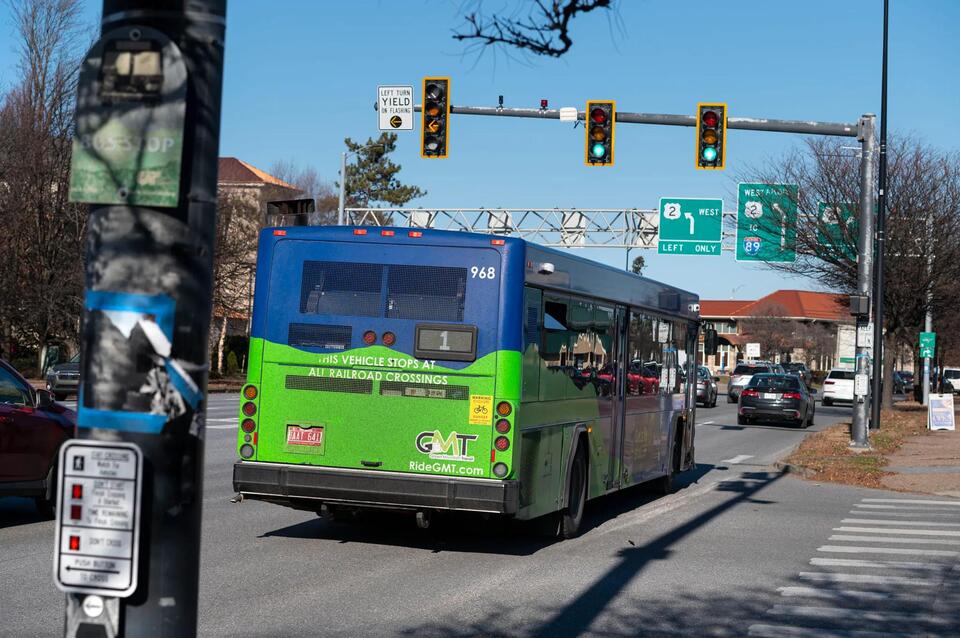
Photos taken Friday, November 20, 2026, show buses moving through the Market Street and Barnes & Noble intersections during the pilot.

How a Boda-Boda Stop in Kampala Launched Khaman Maluach’s Basketball Journey
Diing Chan Ayuel hollered to the boda-boda driver to stop. The motorcycle pulled over mid-journey so Ayuel could...

Tom Izzo Champions Youth Mental Health at Everett High Rally Before Arkansas Game
Michigan State men's basketball coach Tom Izzo joined players at Everett High School on Friday for a pep...

Winston-Salem State Routs Concord 66-45 Behind 18-6 Third Quarter Surge
Winston-Salem State routed Concord 66-45 on Monday night at the Gaines Center, pulling away with an 18-6 third...
Air Force Selects 58 Companies for $16.1B Propulsion Contract Through 2041
The Air Force selected 58 companies for a $16.1 billion propulsion contract vehicle that runs through November 2041,...