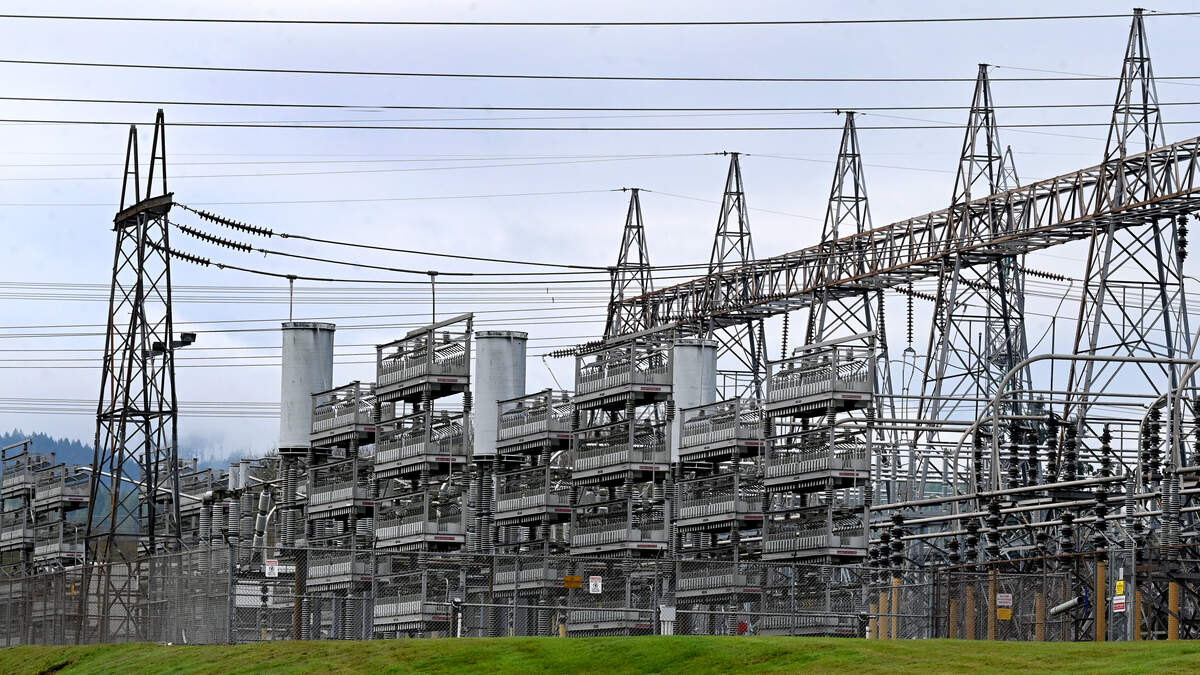
In a column for the Tri-City Herald, Washington state Sen. Matt Boehnke argues that the Clean Energy Transformation Act is driving electricity costs higher for Puget Sound Energy customers and that lawmakers need to strengthen affordability protections before the law’s next major deadline arrives in 2030.
Rate increases outpace inflation
By 2026 that rate had climbed to roughly 15 cents, an increase of around two-thirds, the Tri-City Herald reported.
PSE has asked the Washington Utilities and Transportation Commission to approve additional residential increases of 16.75% in 2027, 3.76% in 2028 and 8.81% in 2029. If approved, a typical residential customer using 800 kilowatt-hours a month would pay about $210 by 2029, up from approximately $159 now, according to the utility’s projections cited in the column.
PSE compliance costs exceed 2% CETA threshold
PSE estimates the added cost of CETA compliance at approximately $820 million for 2022 through 2025. The utility also reports its annual power-supply costs rose from roughly $750 million in 2019 to about $2 billion, the Seattle Times reported.

CETA includes a cost-containment provision tied to a 2% threshold intended to give utilities flexibility when compliance costs exceed that level. PSE reports its compliance costs for 2022 through 2025 reached 2.29%, which Boehnke writes raises the question of whether the limit offers meaningful protection for ratepayers.
PSE capital plan splits between new resources and infrastructure
Of PSE’s proposed capital investments, approximately 42% would go toward acquiring new resources such as wind, solar, battery storage and natural-gas generation. Those investments support CETA requirements but also help meet growing demand and maintain reliability. The remaining 58% would fund existing infrastructure, transmission, customer operations and other system improvements, the Chronline reported.
Public utility districts and cooperatives have preferential access to Bonneville Power Administration electricity, much of it hydropower. Because PSE operates as a private utility, it must buy power or build its own generation resources, which influences the investments required to satisfy state mandates, the Yelm Online reported.
Senator warned of cost impacts in 2019
When the Legislature passed the Clean Energy Transformation Act in 2019, the late state Sen. Ericksen’s caution came as the law added ambitious mandates to a regulatory framework that had long focused on affordable and reliable electricity.
Seven years later, those requirements are driving costly utility investments, and the affordability concerns Ericksen raised deserve another look, according to Sen. Matt Boehnke’s column.
Cost-containment threshold exceeded
CETA includes a cost-containment provision tied to a 2% threshold intended to give utilities flexibility when compliance costs exceed that level.
Three steps for the 2027 Legislature
Boehnke writes that legislators should take three steps when they meet in 2027. To start, mandate an annual public accounting of expenses directly tied to CETA, distinct from other factors pushing up electricity rates.
Second, examine the 2% cost-containment provision to determine whether the law needs updating to prevent unreasonable compliance costs from being passed to consumers. Third, establish a reliability checkpoint before CETA’s 2030 standard arrives so lawmakers know whether utilities can comply while continuing to provide dependable electricity.
State Sen. Matt Boehnke, a Republican from Kennewick who assumed office in the Washington State Senate in January 2023 after serving in the House of Representatives since 2018, writes that the Clean Energy Transformation Act’s cost-containment mechanism has already been breached.
A former U.S. Army lieutenant colonel and Kennewick city councilmember elected in 2015, Boehnke argues the affordability warnings raised during CETA’s 2019 passage deserve renewed scrutiny as the law’s 2030 standard approaches.
“I support Washington’s transition to cleaner, more sustainable energy, but it needs to happen without giving up the affordable, reliable electricity that has long been one of our state’s greatest advantages,” Boehnke wrote.
Keep reading

Eagles Host Steelers in Week 11 Showdown at Lincoln Financial Field
The Philadelphia Eagles host the Pittsburgh Steelers on Sunday at Lincoln Financial Field for an in-state Week 11...
No. 20 Houston Rallies Past West Virginia 34-31 Behind Henderson’s Debut, Hughes’ Historic Night
No. 20 Houston rallied from a 10-point deficit in the final 5½ minutes to beat West Virginia 34-31...

USC Survives Maryland 35-21 on Senior Day Behind Turnovers, Run Game
No. 18 USC survived a turnover-filled second half to beat Maryland 35-21 on Senior Day at the Los...

Seattle Leaders Condemn ICE After Masked Agents Arrest Two on Jetway
Washington Gov. Bob Ferguson, Seattle Mayor Katie Wilson and the Port of Seattle on Saturday condemned U.S. Immigration...