
West Fargo approves $6.5 million police technology overhaul
The West Fargo Police Department is set to undergo a massive technological transformation following a unanimous vote by the City Commission on Monday, Nov. 2. The department will transition to Axon Enterprise services, a move that includes a wide array of equipment ranging from body-worn cameras and squad car dash cameras to Tasers and license plate readers. According to reporting from KFGO, the 10-year contract is valued at approximately $6.5 million.
🚔 ALERT: Following approval at the Monday, Nov. 2, City Commission meeting, the West Fargo Police Department will move forward with an upgrade to Axon Enterprise technology. For more information, visit: https://t.co/zfgZjEsQAk pic.twitter.com/jUivhdz2Ig
This decision marks a significant shift for the department, which Chief of Police Pete Nielsen noted was the only agency in the local metro area not currently utilizing Axon technology. By consolidating various tools under a single vendor, the department aims to improve information sharing with regional partners and streamline operations during critical incidents.
The rollout for this new suite of tools is scheduled to begin in the spring of 2027. While the upfront investment is substantial, the department expects the move to be more efficient than maintaining multiple separate technology contracts.
Consolidating data and reducing long-term costs
One of the primary drivers behind the transition, as reported by inforum.com, is the department’s desire for total control over its digital evidence. Currently, a common concern among the public involves how data is retained and who has access to it. Under the new Axon agreement, the West Fargo Police Department expects to own and store its own data without automated access from external entities, including Axon itself.
“That allows our department to retain our data and keep it controlled at a local level with our trusted officers and staff,” Nielsen said.
To maintain accountability, the department plans to implement an internal log. This system will record the reasoning whenever an officer accesses specific data, and these logs will undergo a monthly review by department staff. This layer of oversight is intended to address transparency concerns while ensuring that officers have the tools they need to investigate crimes effectively.
The fiscal implications of the deal suggest a strategic attempt to find long-term savings through vendor consolidation. While the 10-year cost is estimated between $6.2 million and $6.5 million depending on the final contract details, Nielsen informed the commission that transitioning from multiple vendors to Axon alone is expected to save the city roughly $1.4 million.
New capabilities for officers and the public
The upgrade introduces several specific technical features that change how officers interact with the community and manage field tasks. According to KFGO, the new body cameras will feature a voice assistant capable of translating speech into more than 60 languages on the spot. This tool is intended to assist in communication during diverse encounters and allows officers to query department rules via voice command without having to look away from a scene.

The technology also includes automated features for vehicle tracking and public transparency. The new license plate readers are designed to capture rear plates only; city officials emphasized that these systems will not use facial recognition technology or track personal profiles. Furthermore, the department plans to provide the public with access to system data through an online dashboard, a move aimed at increasing civic trust through visibility.
The scope of the equipment upgrade includes:
- Body-worn cameras with direct field uploading
- Squad car dash cameras
- Tasers
- License plate readers
- Upgraded interview room cameras and recording devices
- Outpost and light post cameras
Budgetary shifts and local governance
The approval of the police technology contract coincided with broader discussions regarding the city’s 2027 budget. During the same commission meeting, city officials addressed fluctuations in insurance premiums and wage increases. While HR Director Beth Wiegman initially projected a 10% increase in employer-paid insurance premiums, she noted that the actual increase is expected to be closer to 6%.
These unexpected savings led to a debate among commissioners regarding how to allocate the surplus. City Administrator Dustin Scott presented an estimated $337,246 reduction in health insurance items for the 2027 budget. While Commissioner Patti Stedman moved to leave the budget as it was, rather than spending the savings, the motion failed. Ultimately, Commissioner Amy Zundel successfully moved to increase the cost-of-living wage increase from 2.5% to 3%, utilizing $175,624 of the available funds.
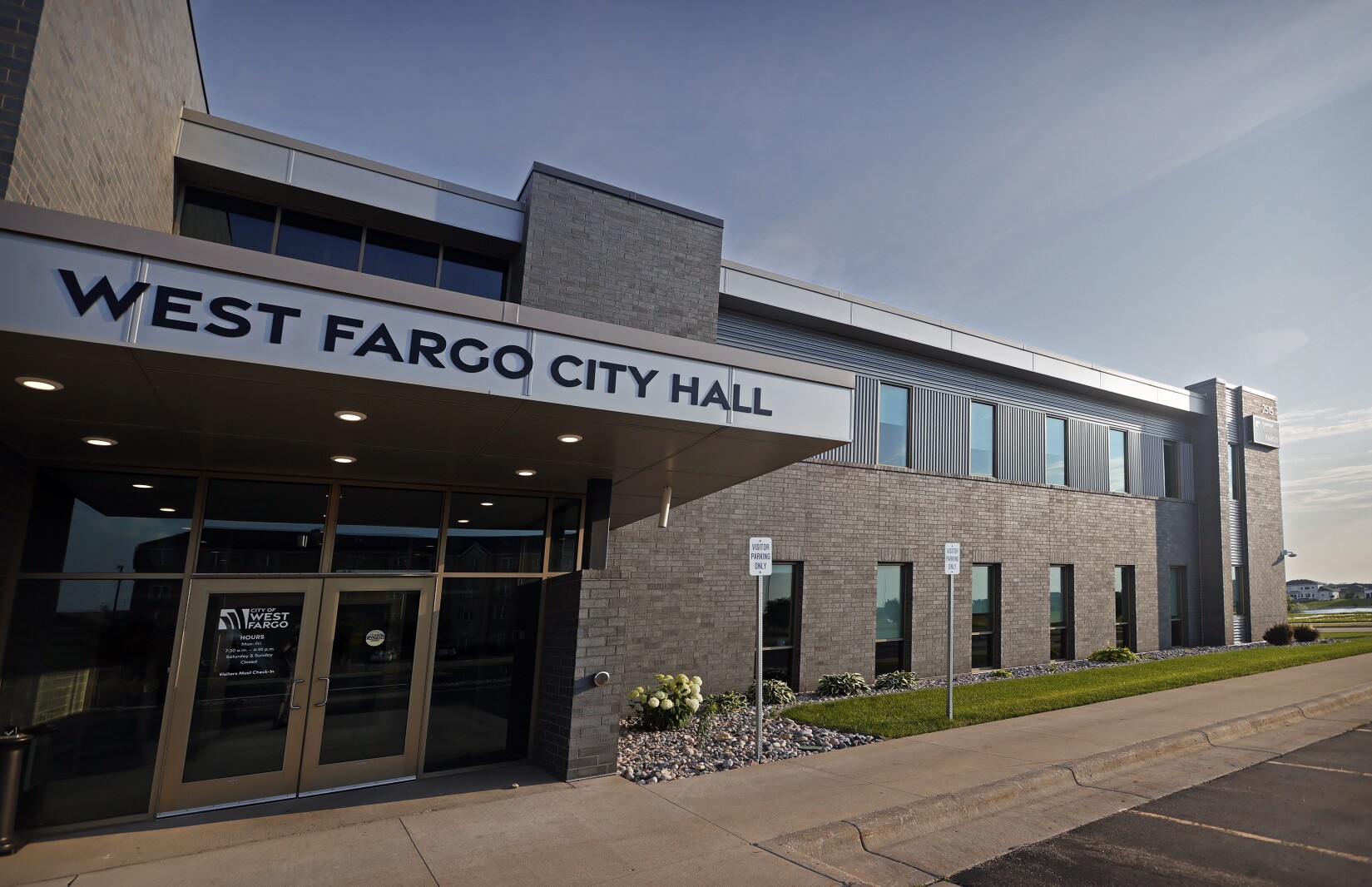
The commission also moved forward on several other municipal items, including the approval of water and wastewater treatment sales tax revenue bonds to support infrastructure improvements in Meadow Ridge and on First Avenue. However, the police technology transition remains the most significant shift in the city’s operational landscape for the coming years.
As the department prepares for the spring 2027 rollout, the focus will shift to the finalization of the contract and the logistical integration of these systems into daily patrol routines.
Worth a look

Wyoming Air National Guard Conducts Sentry Aloha 26-1 Training
Wyoming Air National Guard Airmen Deploy to Hawaii for Sentry Aloha 26-1 Airmen assigned to the 153rd Airlift...

Oklahoma State must beat Colorado to keep Big 12 Tournament hopes alive
The Cowgirls face a steep climb in Boulder Oklahoma State enters the final stretch of the 2026 regular...

Richmond Pickle Party 2026: A Guide to the Inaugural Jackson Ward Festival
Richmond launches inaugural pickle festival in Jackson Ward Richmond is preparing for a weekend of briny celebrations as...

Escaped Tennessee Murder Convict Jacob Morley Recaptured in Missouri
Jacob Morley recaptured in Missouri after week-long manhunt Jacob Allen Morley, the convicted murderer who escaped from a...