
West Virginia has until Dec. 11 to ask the federal government for a six-month grace period before new Medicaid work requirements take effect Jan. 1, and lawmakers are urging Gov. Patrick Morrisey to request it. About 40,000 of the state’s 160,000 expanded Medicaid enrollees have not yet been verified as meeting the rules or qualifying for an exemption, according to the Department of Human Services.
West Virginia House Democrats urged Governor Morrisey on Monday to request a six-month Medicaid work requirement grace period from CMS before the Dec. 11 deadline.
West Virginia House Democrats called on Morrisey on Monday to take advantage of the optional “hold harmless” period offered by the Centers for Medicare & Medicaid Services, the Register-Herald reported. Del. Hollis Lewis, D-Kanawha, said the extra time would help the state prepare and prevent eligible residents from losing coverage, WCHS reported.
How the requirements work
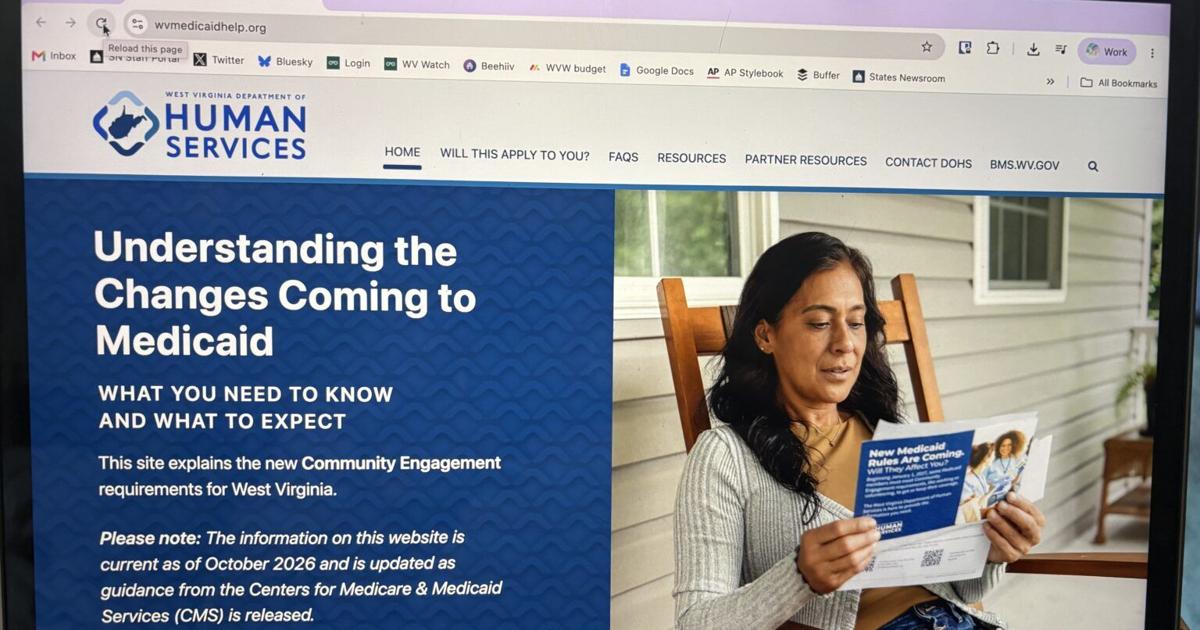
Starting Jan. 1, adults aged 19 to 64 on expanded Medicaid must complete 80 hours per month of work, school, volunteering or other qualifying activities unless they meet an exemption, West Virginia Watch reported. Exemptions include people who are medically frail, those in households where someone already meets SNAP work requirements, and other categories defined in federal law.
A federal judge last month blocked the Trump administration’s narrower definition of “medical frailty,” ruling that CMS overstepped its authority, West Virginia Watch reported. Under the court order, enrollees need only show a condition that falls into one of five statutory categories — such as a serious medical condition, a disabling mental disorder or a substance use disorder — to qualify.
Why the numbers grew
The Department of Human Services’ current estimate of 40,000 non-compliant enrollees is 7,000 higher than an August preliminary figure of 33,000, West Virginia Watch reported. Communications specialist Angel Hightower said the original number was calculated before additional federal guidance was released, and the agency is reviewing more data to identify people who qualify for exemptions, with updated estimates expected this month or in early December.
Kelly Allen, executive director of the West Virginia Center on Budget and Policy, said most coverage losses would not stem from people failing to work or qualify for exemptions. “Most coverage losses will be because people are either unaware or unable to comply,” Allen told WCHS.
She told WOWK the grace period is also about state readiness: “There’s also been confusing guidance from CMS. There’s a court case. So I think this is really about state readiness to implement this huge new requirement at scale for millions of people.”
Administration weighing the option
Asked Tuesday whether his administration would opt into the grace period, Morrisey said West Virginia had been “moving pretty fast to get ready” on both Medicaid and SNAP work requirements, WOWK reported.
“So we’re going to continue to do that. But we’ll certainly be reaching out and talking with CMS and folks on the federal side to make the most informed decision possible,” he said. Lewis said he has not had direct conversations with the governor’s office about the request.
House Democrats press governor for grace period
Del.

Administration evaluates request as deadline nears
Asked Tuesday whether his administration would opt into the grace period, Morrisey said West Virginia had been “moving pretty fast to get ready” on both Medicaid and SNAP work requirements, WOWK reported. “So we’re going to continue to do that. But we’ll certainly be reaching out and talking with CMS and folks on the federal side to make the most informed decision possible,” he said.
A Department of Human Services statement sent to WOWK said the administration is still “evaluating” and that “no decision has been made.” States have until Dec. 11 to ask CMS for the six-month extension.
What enrollees should do now
Allen urged Medicaid recipients to verify that their contact information and household details are current. Recipients can update their address, phone number, email, household size and income at WVPATH, WCHS reported.

Phillip Dukes: Strong Rumor Deion Sanders Fired by Colorado This Weekend
Colorado head coach Deion Sanders is the subject of a strong rumor that his tenure will end this...

Suns Rediscover Swagger in Physical Loss to Rockets Despite Rebounding Woes
The Phoenix Suns lost to the Houston Rockets by 12 points despite trailing by only three with 4:45...
Des Moines Families Gain a Structured Menu of Free and Low-Cost Field Trips
Des Moines families gain a structured menu of free and low-cost field trips, Albert Blog & Resources reported....

Thanksgiving Storm Closes Chesapeake Bay Bridge-Tunnel and Causeway Affecting Hampton Roads
A Thanksgiving coastal storm shut down the Chesapeake Bay Bridge-Tunnel and the Chincoteague Causeway on Thursday morning, cutting...