
West Virginia’s plan to return children from out-of-state residential treatment centers faces questions about whether the new in-state program can deliver the clinical care those children need, West Virginia Watch reported.
Gov. Patrick Morrisey announced Nov. 12 a five-year lease with Utah-based Youth Health Associates to reopen the former Barboursville School with up to 36 beds and a projected 50 to 60 jobs. The Department of Human Services estimates average annual out-of-state placement costs at $250,025 per child, compared with $120,333 in-state — a difference of $129,692. For 50 children, projected annual savings approach $6.48 million before additional expenses.
“Lower cost is not proof of effective treatment; higher cost is not proof of better care,” the report says. The analysis notes that statewide averages do not establish that children in these settings have comparable clinical needs, and asks whether the cost difference reflects staffing, specialized services, treatment intensity or genuine efficiencies.
Youth Health Associates publicly describes residential services for adolescent males with histories of sexual misconduct, operating eight facilities — seven in Utah and one in Texas. The governor’s announcement suggests Barboursville may serve a broader range of complex, high-acuity needs than the contractor’s publicly listed services cover. The report asks what qualifications, treatment protocols and documented outcomes support that expanded role, and which children the facility can appropriately treat.
“Residential supervision, nursing services, social work and daily care are essential. But they cannot, by themselves, substitute for the psychological expertise and medical care required by children with complex conditions,” the report says. It adds that doctoral-level psychological expertise must be available and integrated into diagnostic assessment, clinical formulation, evidence-based intervention and multidisciplinary care for children with severe, complex conditions.
The U.S. Senate Finance Committee’s 2024 report, Warehouses of Neglect, documented concerns about staffing, treatment, oversight and child safety across residential facilities. Children with emotional and behavioral difficulties are sometimes labeled manipulative or unreliable, and those very difficulties can become reasons adults discount their reports of mistreatment.
Marshall University’s APA-accredited doctoral psychology program and Joan C. Edwards School of Medicine, along with West Virginia University’s psychological and medical expertise, are located near the Barboursville site. The report asks whether these programs were consulted to help develop treatment, provide professional supervision and independently evaluate outcomes.
Youth Health Associates describes its residential services as a “twenty-four-hour intensive community-based residential treatment program” providing “maximum, non-secure supervision and intensive clinical intervention” for males ages 12–18 with sexual misconduct histories.
The Utah-based organization operates eight facilities — seven in Utah and one in Texas — utilizing Cognitive Behavioral Therapy as its primary modality, with treatment goals including accountability, relapse-prevention strategies, victim empathy, and trauma-specific interventions; length of stay averages twelve to eighteen months.
“Hope is not an educational service. Home is not a treatment protocol,” the report concludes.
Worth a look
- Nashville SC’s Unbeaten Run Ends in Playoff Opener After Yazbek Own Goal Hands FC Cincinnati 1-0 Win
- Salem Rebounds to Beat Woodlawn 56-47 for Third Place at DuQuoin Tip-Off Classic
- Bessent Leaves Door Open for Huang Return, Cites Compliance Probe (archyde.com)
- UK inflation rises to 3.6 percent as Ofgem energy price cap faces 26 percent hike (newsarchyuk.com)

Nashville SC’s Unbeaten Run Ends in Playoff Opener After Yazbek Own Goal Hands FC Cincinnati 1-0 Win
Nashville SC’s 74-day unbeaten run ended Sunday when an early own goal gave FC Cincinnati a 1-0 win...
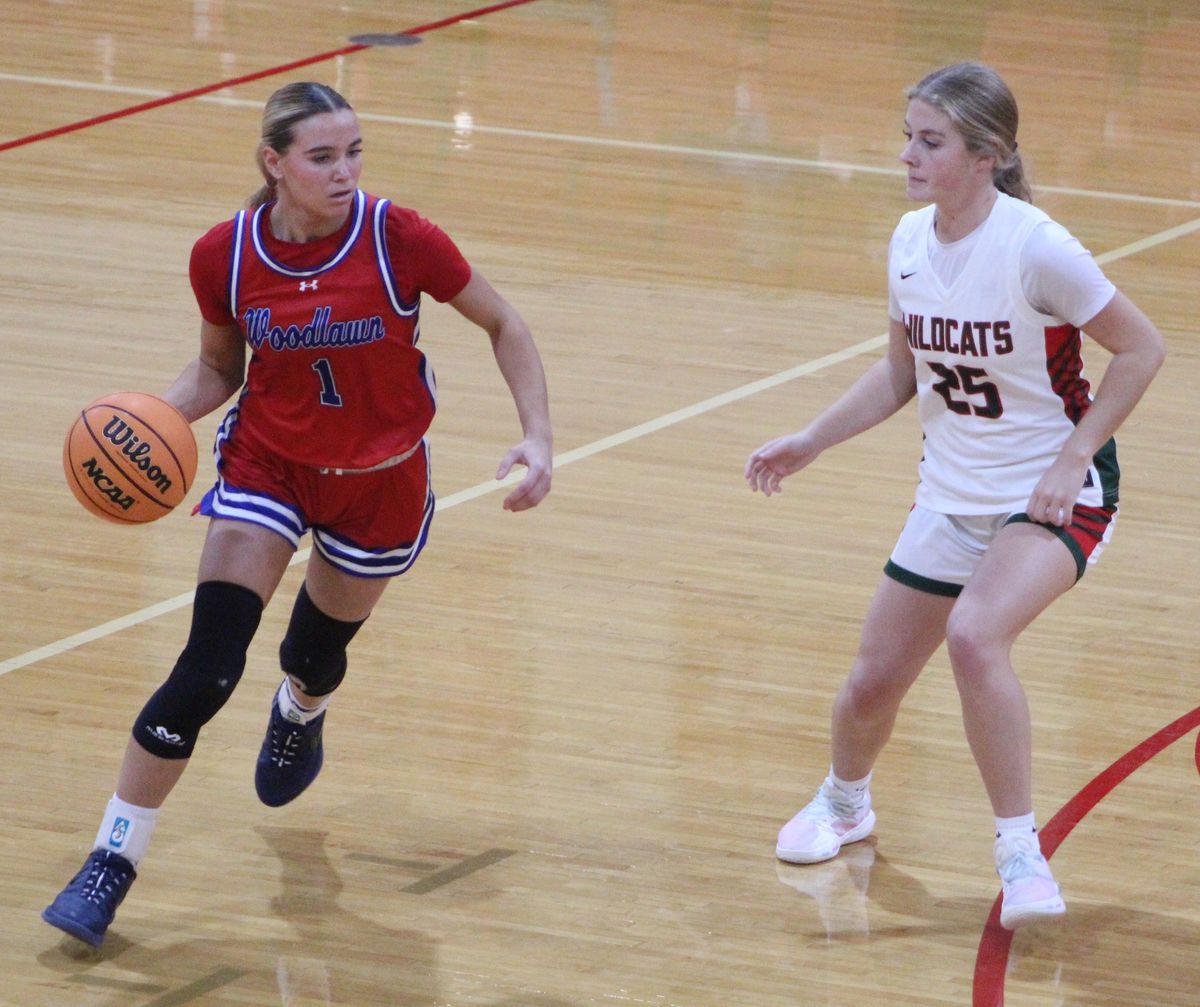
Salem Rebounds to Beat Woodlawn 56-47 for Third Place at DuQuoin Tip-Off Classic
Salem lost a semifinal by one point on a free throw with two seconds left, then won the...

Fiona the Hippo Dies After Swallowing Hat at Cincinnati Zoo
Fiona, a 9-year-old Nile hippopotamus, died Thursday at the Cincinnati Zoo after swallowing a hat that accidentally ended...

Philadelphia Ballet Dancer Says Finnish National Ballet Gave Her White Face Paint
“You are an anomaly. You need to change your race or your color in order to belong to...