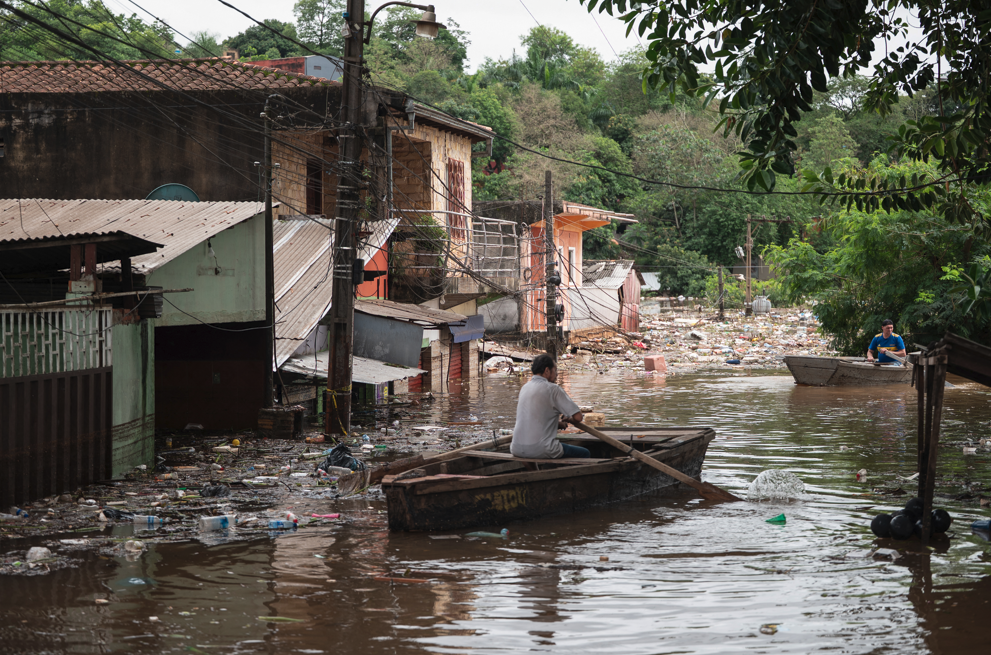
Climate mobility is missing from the core agenda of the Climate Change Conference in Türkiye (COP31), despite growing attention from the European Union. While migration is increasingly viewed as an adaptation tool, this year’s talks overlook the issue, even as the summit’s Co-Chair, Australia, actively champions it.
The intersection of a changing climate and human movement is drawing sharper focus across European policy circles. Even so, the upcoming summit in Türkiye leaves the topic off its main tracks, as the European Policy Centre reported in a recent policy brief.
Adaptation Planning and Vulnerable Regions
Negotiators at COP31 will still debate subjects that directly intersect with human displacement. Adaptation planning, urban resilience initiatives, and financial support for vulnerable regions all form the bedrock of the discussions. How these themes translate into accessible solutions for disaster displacement remains an open question for policymakers.
Green skills mobility and the creation of climate-resilient livelihoods also demand structured implementation plans. Finding consensus on these priorities grows harder amid a shifting global donor landscape. Uncertainty hangs over the future allocation of European Union development and humanitarian aid budgets.
Cooperation Between Europe and the Pacific
The dialogue offers a concrete test for deeper collaboration between Brussels, Canberra, and Pacific island nations. Mutual learning on climate mobility between the European Union and Australia could shape future regional frameworks. Participation in the upcoming Policy Dialogue involves members from the European Policy Centre, media representatives, European Union officials, and the Heinrich Böll Stiftung network.
Questions regarding media access and event coordination can be directed to the organizing staff at the European Policy Centre.
Worth a look
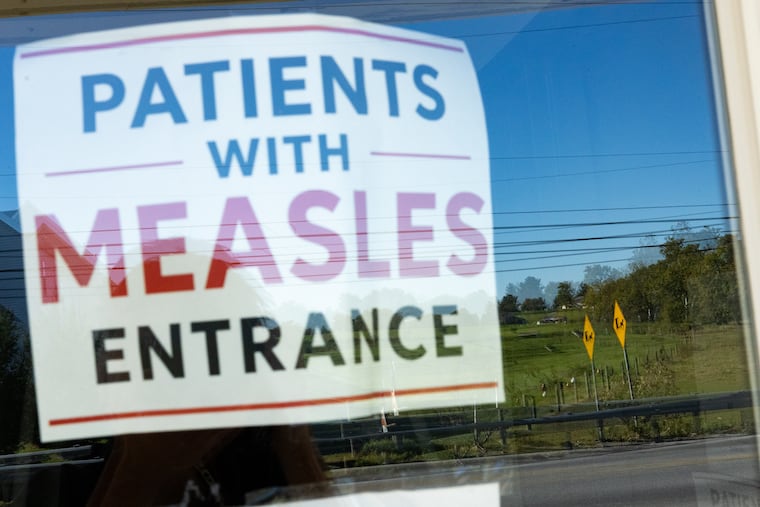
Johns Hopkins Tool Estimates PA Measles Outbreak Cost $16 Million
Pennsylvania’s measles outbreak has cost taxpayers an estimated $16 million so far, as state and federal health agencies...

POLICE – Salem News
Local law enforcement agencies responded to various domestic violence reports, protection order violations, and traffic collisions, according to...

2027 NBA Mock Draft: OKC Thunder Add Freshman Trio – Sports Illustrated
Bruce Branch III averaged 14.8 points through four games, Oklahoma City Thunder On SI reported. The 2027 NBA...

2014 Ford F-150 | Bismarck, ND – BisManOnline
A 2014 Ford F-150 Crew Cab XLT has arrived on the local market in Bismarck, North Dakota, appearing...