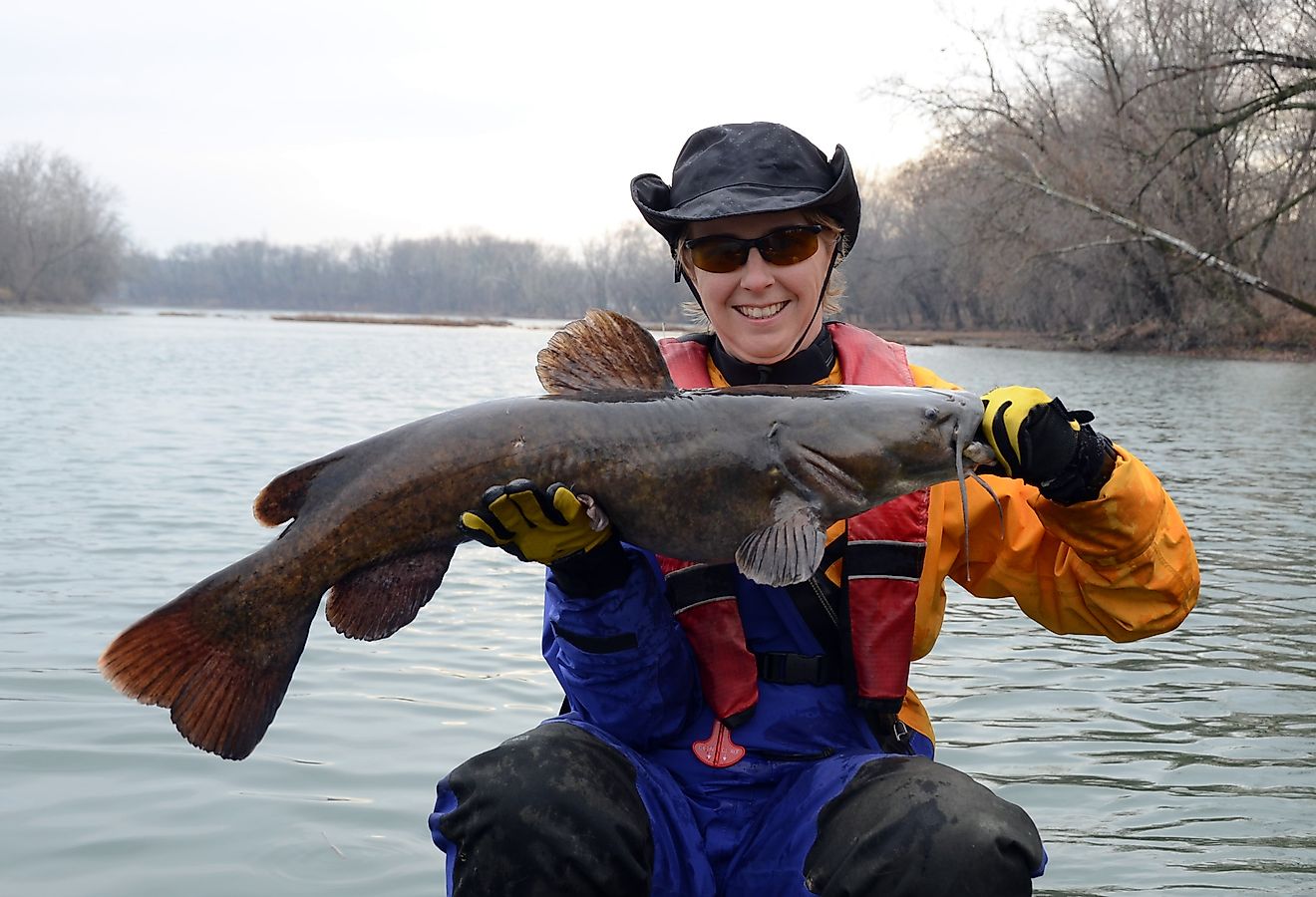
Catfish survival during winter depends on their specific species and local water conditions. While some varieties, like blue catfish, continue to hunt prey in southern reservoirs, others, such as flatheads, enter a state of torpor and remain nearly motionless in deep pools until the spring thaw.
The way a catfish handles the drop in temperature is rarely uniform.
Species move to deep water
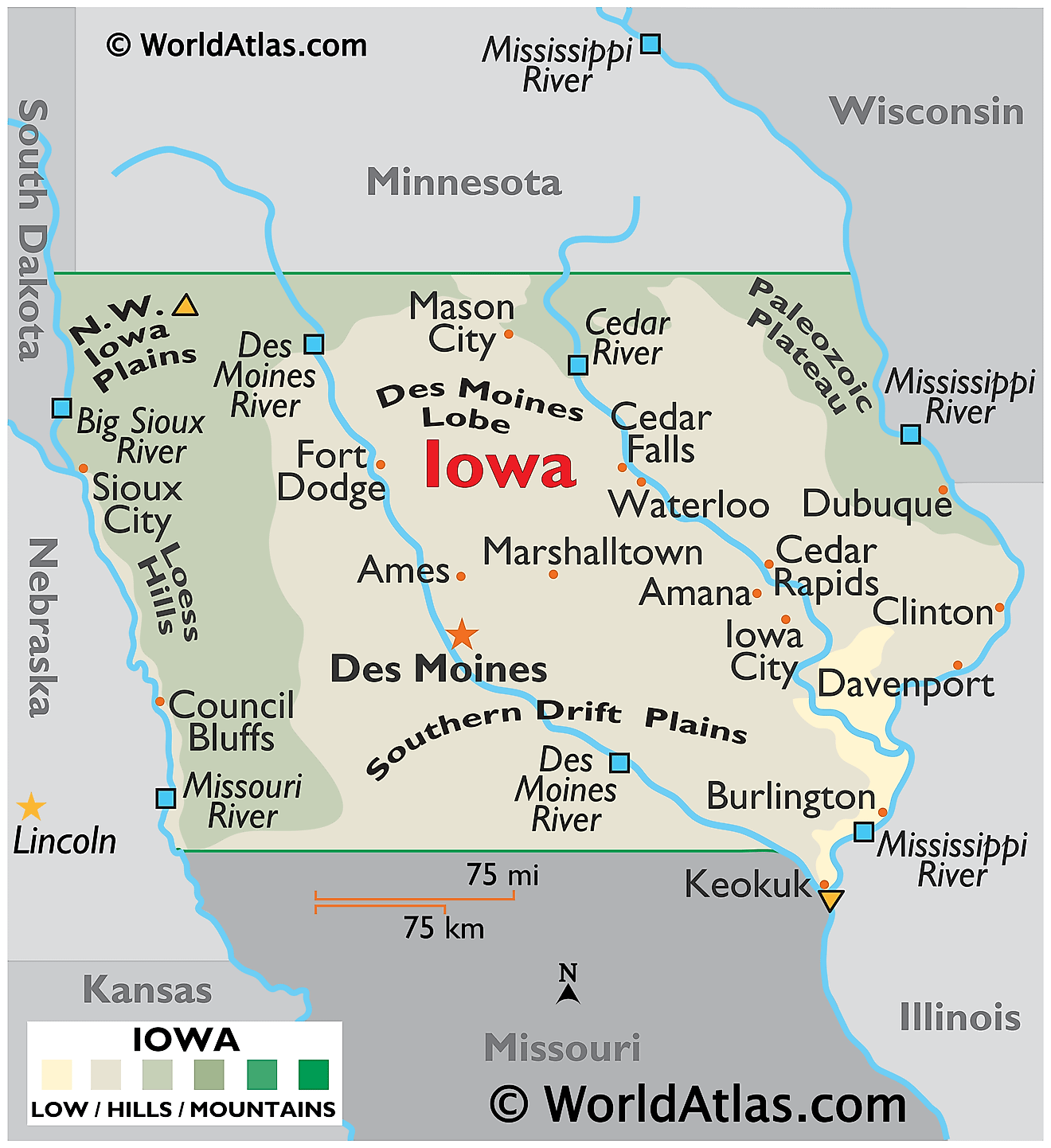
For many river-dwelling species, winter is a season of strategic relocation. Channel catfish often travel long distances to reach safety. Pecatonica channel cats that wintered in Illinois swam back into Wisconsin in early to mid-April, World Atlas reported.
Similar movements occur on the Wisconsin River, where channel cats drop down into the Mississippi during the fall before swimming back upstream to spawn in the spring.
The destination often dictates the fish’s activity level. In Iowa, channel cats seek out the deepest holes in rivers during the late fall, while adults in Wisconsin concentrate in large, deep pools. As the water cools, their feeding habits change; little feeding occurs once temperatures drop below 50°F.
In the Missouri River, the behavior of blue and flathead catfish is highly localized once they reach their winter destinations. Data from a study tracking fish along a 60-mile stretch of the lower Missouri River between 2006 and 2008 showed that most fish swam downstream to scour holes deeper than 23 feet. These holes are typically found beside wing dikes, which are rock structures jutting from the riverbank.
Once they settle into these holes, their environment becomes much smaller. While blue catfish in that study were known to roam as far as 216 river miles in a year, their average range dropped to just 1.4 miles while they occupied their winter holes from mid-November to mid-March.
Flatheads enter torpor
Flathead catfish employ a much more sedentary survival strategy. On the lower St. Joseph River in southwest Michigan, flatheads tracked in 2002 and 2003 spent much of the year in water less than 10 feet deep, near woody debris and riprap. However, once the river cooled to approximately 50°F, they moved an average of 1,200 to 4,000 yards into deeper main-channel pools with coarse bottoms.
Once they arrive, they effectively stop moving. Minnesota biologists refer to this state as torpor. Since 2015, flathead fishing on the Mississippi River border waters in Minnesota has been subject to a closed season from November 30 through April 1.

The trek to these wintering spots can be grueling. One tagged flathead traveled more than 175 miles each year between spawning water in the Minnesota River upstream of Mankato and its winter home in Pool 3 of the Mississippi, below Hastings.
The specific geography of the river also influences where they settle. On the lower Wabash River, which forms the border between Illinois and Indiana, flatheads tend to winter in the outside bends of the river where logjams have accumulated—the same areas they utilize for spawning. Some individuals are remarkably consistent, returning to the exact same wintering spot for several consecutive years.
Blue catfish keep hunting
Not all catfish succumb to lethargy. In the southern United States, blue catfish often remain active predators throughout the coldest months. In Lake Norman, a reservoir on the Catawba River in North Carolina, tracked blue catfish maintained an average depth of 43 feet during the winter and continued to feed almost exclusively on gizzard and threadfin shad.
This feeding behavior is closely tied to the availability of prey. Threadfin shad are sensitive to temperature; when water temperatures drop below 54°F, their behavior changes, making them easier targets for predators.
If the temperature drops slowly to 41°F, these shad can be eliminated from a lake entirely. Consequently, blue catfish in other southern reservoirs, such as Wheeler and Wilson lakes in Alabama, move more frequently in the winter to follow the shifting shad populations.
In the tidal rivers feeding the Chesapeake Bay, blue catfish also remain active. They gather in holes and channel sections, maintaining their appetite despite the cold. Blue catfish winter in the tidal rivers that feed the Chesapeake Bay, where they gather in holes and channel sections and keep biting through the cold months.
| Catfish Type | Primary Winter Behavior | Typical Habitat |
|---|---|---|
| Channel Catfish | Migratory or deep-hole dwelling | Deep river pools and holes |
| Flathead Catfish | Torpor (nearly motionless) | Deep pools with coarse bottoms |
| Blue Catfish | Active hunting/predation | Deep reservoir layers or tidal channels |
| Bullhead | Burying in silt/ooze | Shallow pond bottoms |
Smaller species like the bullhead take a different approach to avoid the dangers of winter. In shallow ponds and lakes, bullheads often move to the soft, leafy ooze along the shoreline.
As the seasons shift, the cycle begins anew. When water temperatures rise past 46 to 50°F in the spring, the deep holes of the lower Missouri begin to empty as fish head upstream. In Iowa, the arrival of ice-out brings a sudden surge in activity, as channel catfish follow the drift of dead baitfish into shallow waters to feed.
Worth a look

Economic Mobility in the Houston Area: Part 2: A Proposal of Four North Stars
The findings, released as part of a proposal for the local Coalition for Economic Mobility, suggest that the...

Ahlers Warns Against Dangers of Unchecked Legislative Dominance
Fifty-two legislative seats were handed to Republicans in South Dakota before a single ballot was cast, locking in...

SC Sen. Mike Reichenbach to Resign to Become Lieutenant Governor
Republican Sen. Mike Reichenbach will resign from the South Carolina Senate on Jan. 13, setting off a special...

Harrisburg Favored to Win R2R Conference Ohio Girls Basketball Title
Harrisburg enters the new girls basketball season as the team to beat in the River-to-River Conference Ohio Division,...