
The World Health Organization extended the Bundibugyo virus outbreak’s global emergency status on November 18, 2026, as confirmed cases surpassed 11,600 in the Democratic Republic of the Congo.
The designation remains in place despite containment progress in neighboring countries.
- As of November 17, 2026, the DRC reported 11,613 confirmed cases and 5,678 deaths (crude case fatality ratio: 48.9%).
- Kenya and Nigeria began 42-day countdowns to declaring their outbreaks over after no new cases.
- There are currently no approved vaccines or specific treatments for Bundibugyo virus disease.
Continental Response Plan for 2026–2027
A continental preparedness and response plan, covering November 2026 to May 2027, aims to stop the outbreak. It emphasizes a community-centered approach, surveillance, and scaling clinical care. Treatment capacity in the DRC expanded to over 2,000 beds. Field laboratories now exceed 5,000 tests daily.
Jean Kaseya, Africa CDC Director-General
Kaseya told Reuters the outbreak could become the worst Ebola on record. He criticized funding gaps, noting only $1.3 billion of $2.9 billion pledged has been released. He called this “a collective failure”. Meanwhile, the WHO reports contact tracing remains below target in most DRC provinces.
Clinical Review Shows Non-Hemorrhagic Presentation and Delayed Diagnosis
A clinical review confirms Bundibugyo virus disease commonly presents as a febrile and gastrointestinal illness, not a visibly hemorrhagic fever. Among 405 patients, fever was documented in 74.3%, diarrhoea in 67.4%, and vomiting in 66.7%. Haemorrhagic signs occurred in only 10.4% of cases.
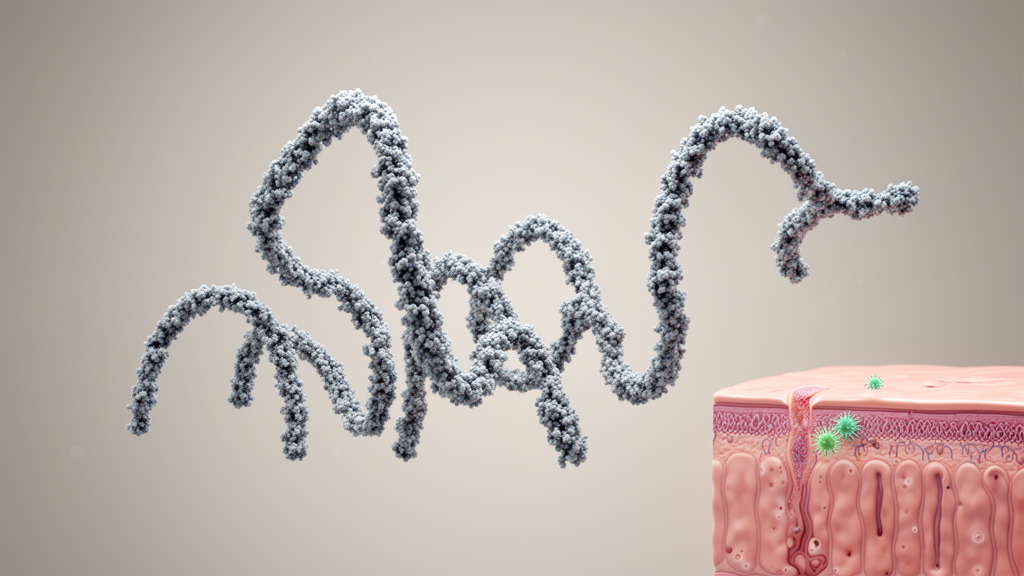
Response efforts are complicated by insecurity and community deaths—452 of 720 reported deaths since late October occurred outside treatment facilities. The delay between symptom onset and diagnosis averages 7.4 days. This hampering containment.
Current Outbreak Ranks Second in Scale Behind 2014 West African Epidemic
The Bundibugyo virus was first identified during an outbreak in western Uganda in 2007 and 2008, with a second documented occurrence in the Democratic Republic of the Congo in 2012, according to bioengineer.org. Al Jazeera, citing Reuters, reports the current Bundibugyo virus disease outbreak is the second-largest and second-deadliest Ebola outbreak on record. It trails only the 2014–2016 West African epidemic that infected more than 28,600 people and killed more than 11,000.
As of 31 October 2026, the World Health Organization counted 10,467 confirmed cases and 5,103 deaths across 67 health zones in eight DRC provinces. The outbreak had surpassed the 10,000-case mark. By 17 November, ReliefWeb reported the DRC tally had risen to 11,613 confirmed cases and 5,678 deaths.
The crude case fatality ratio was 48.9%. The cases were spread across 68 health zones in eight provinces. The Africa CDC placed the total at 11,042 confirmed cases with 5,387 deaths, a fatality rate of 48.8%.
Contact Follow-Up Rates Vary Across Provinces and Fall Short Overall
Ituri and North Kivu remain the most affected provinces. Tshopo in Haut-Uélé is the most recently affected health zone, ReliefWeb reported. Africa CDC data showed contact follow-up rates at 77% in North Kivu, 86% in Ituri and Haut-Uélé, 68% in Tshopo, and 63% in Sud-Ubangi. Bas-Uélé reached 100% and Nord-Ubangi 99%. These meet the 95% target. Overall contact follow-up remains at 79.7%, below the desired threshold, the Africa CDC noted.
In the latest reporting period, Bas-Uélé, Sud-Kivu, and Sud-Ubangi recorded no new infections. Sud-Kivu together with Sud-Ubangi have now exceeded 42 days without cases. Recent daily reports indicate a 25.7% decline in new cases. There were 52 new infections primarily in Ituri (30), North Kivu (17), and Haut-Uélé (5), according to the Africa CDC.
Neighboring Countries Near Containment While DRC Risk Remains Very High
Uganda ended its outbreak on July 28, 2026. Kenya and Nigeria are nearing declarations of containment. However, the WHO maintains a very high risk assessment for the DRC and a high risk for Kenya and Nigeria. Two Bundibugyo-specific vaccine candidates are due to join clinical trials in the coming weeks.
Updated WHO temporary recommendations are expected in the coming days.
Related reading

Mets Agree to Record Nine-Year, $450M Deal with Tarik Skubal
The New York Mets agreed to a nine-year, $450 million contract with two-time American League Cy Young winner...

Grizzlies Beat Clippers 115-97 as Edey Exits at Halftime with Soreness
Memphis Grizzlies center Zach Edey exited Wednesday night’s 115-97 victory over the Los Angeles Clippers at FedExForum at...

Rams Run Wild, Hand Packers 26-13 Loss
The Los Angeles Rams rushed for a season-high 241 yards and handed the Green Bay Packers a 26-13...
T.J. Lang Rips Aaron Rodgers as ‘Despicable’ After Steelers Release Quarterback for Airing Grievances on Pat McAfee Show
Aaron Rodgers was released by the Pittsburgh Steelers on Wednesday after he criticized head coach Mike McCarthy on...