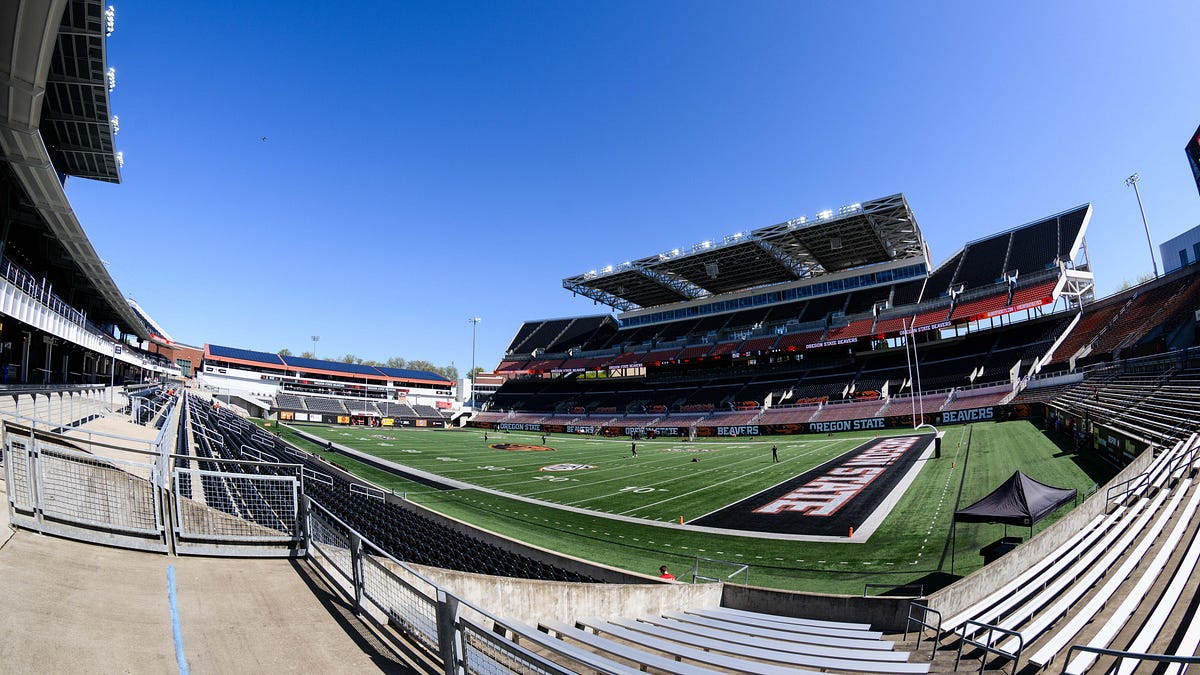
Ole Miss has stayed silent on whether it will honor a 2027 home game against Oregon State and a 2030 return trip to Corvallis, leaving the future of the series uncertain as the SEC moves to a nine-game conference schedule. The uncertainty reflects a broader scheduling squeeze facing Group of Six programs as power conferences tighten their non-conference slates.
The two-game contract sits on the books: Oxford in 2027, Corvallis in 2030. Yet the Rebels have not publicly confirmed the arrangement, and the silence from the Mississippi athletic department is noticeable in a market where scheduling certainty usually gets a press release. John Canzano reported the standoff this week, noting that the University of Mississippi hasn’t said a peep about either date.
The nine-game squeeze
The SEC adopted a nine-game conference slate starting in 2024, stripping one non-conference slot from every member’s calendar. At the same time, the College Football Playoff selection criteria now require power-conference teams to play at least one non-conference opponent from another power league, with a narrow exemption for the 2027 season.
That leaves athletic directors like Ole Miss’s Keith Carter with a math problem: fewer open weekends and a mandate to fill the remaining ones with high-profile opponents.
Oregon State, now adjusting to life in a rebuilt Pac-12 after the conference's mass exodus, fits the "Group of Six" tier that power programs are increasingly reluctant to schedule. Boise State athletic director Jeramiah Dickey told Canzano this week he is having a difficult time getting non-conference games against power schools, a sentiment that echoes across the Mountain West and the new Pac-12.

Dickey said he is having a difficult time getting non-conference games against the “power” schools, describing a market where access is tightening for programs outside the ACC, Big Ten, Big 12 and SEC.
The University of Mississippi, chartered by the state legislature on February 24, 1844, opened its doors to 80 students in 1848 on a rural Oxford site chosen as a “sylvan exile” for study.
The campus served as a Confederate hospital during the Civil War and narrowly escaped burning by Ulysses S. Grant’s forces. A century later, in 1962, a race riot erupted on campus when segregationists attempted to block the enrollment of James Meredith, the university’s first African American student.
What a buyout would cost
Oregon State would need to replace a Power Four opponent on short notice. The Beavers already face a 2027 non-conference slate that includes games against Texas Tech and Wake Forest; losing a guaranteed date in Oxford would force a scramble for a replacement.
Worth a look

HPD Arrests 35-Year-Old Suspect in Kapiolani Community College Armed Carjacking
Honolulu police arrested a 35-year-old man Thursday on suspicion of the armed carjacking that left a 19-year-old student...
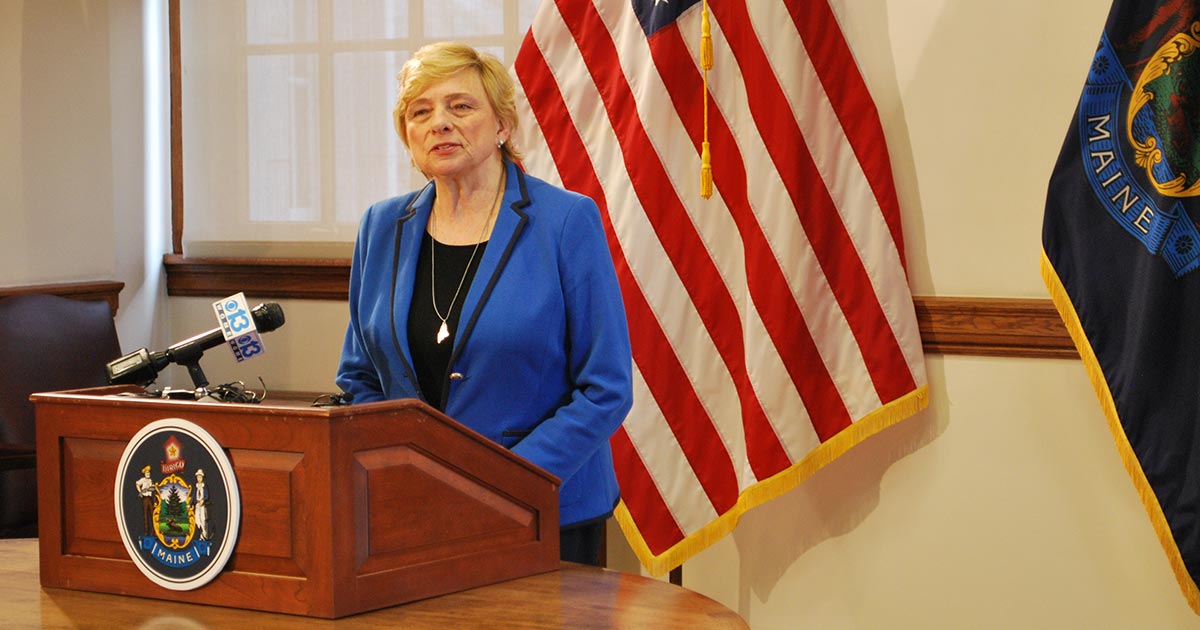
Governor Janet Mills Highlights Community Spirit in Thanksgiving Address
Governor Janet Mills delivered her annual Thanksgiving address Thursday, highlighting community resilience across Maine while acknowledging the holiday's...

Montana Unemployment Holds at 3.1%, Below National Rate as Employment Rises
Montana's unemployment rate held at 3.1 percent in October, leaving the state a full percentage point below the...

Minneapolis Council Fails to Override Frey Veto on Data Centers, Moratorium Expires Saturday
The Minneapolis City Council fell two votes short Friday in its attempt to override Mayor Jacob Frey's veto...