
A Wichita State University student argues that the administration’s decision to cut the Philosophy degree reflects a broader institutional decay and a damaging cultural shift away from the humanities.
The author writes that the decision to eliminate the program comes amid a backdrop of quiet changes and shrinking support for liberal arts. According to the essay, students face an environment where administrative priorities lean heavily toward business and technology sectors over traditional academic exploration, alongside covert deaccession practices at Ablah Library that leave many unable to trust that leadership has student interests at heart.
The critique highlights specific campus grievances beyond the philosophy department. The column points to Ablah Library’s deaccession practices and what the writer describes as administrative complicity in dismantling the humanities, while resources flow toward AI workshops and a new tennis complex.
For many students, the philosophy department served as an intellectual anchor during periods of academic disillusionment. The author describes stumbling into a Philosophy of Religion course taught by Dr. Sager during a semester when dropping out seemed inevitable, noting that the class fundamentally restored their love of learning.

Administrators often point to the Kansas Board of Regents when discussing degree requirements and program closures. However, the essay argues that pointing to state-level directives is a half-truth that absolves campus leadership from fighting for student interests.
The piece warns that viewing the humanities as an unnecessary luxury contributes to a rising tide of anti-intellectualism. The author issues a direct challenge to the campus community to reject complacency and continue defending the value of a comprehensive education.
As the student pushed against tired pragmatism from elder office colleagues who assured them college was merely a means to an end, the resounding why of it all was, in essence, “That’s just the way things are.” This left them doubting their place as a student.
Nearing the end of a Bachelor’s and researching graduate programs, the author said that they would not be where they are today without their community.
Related reading
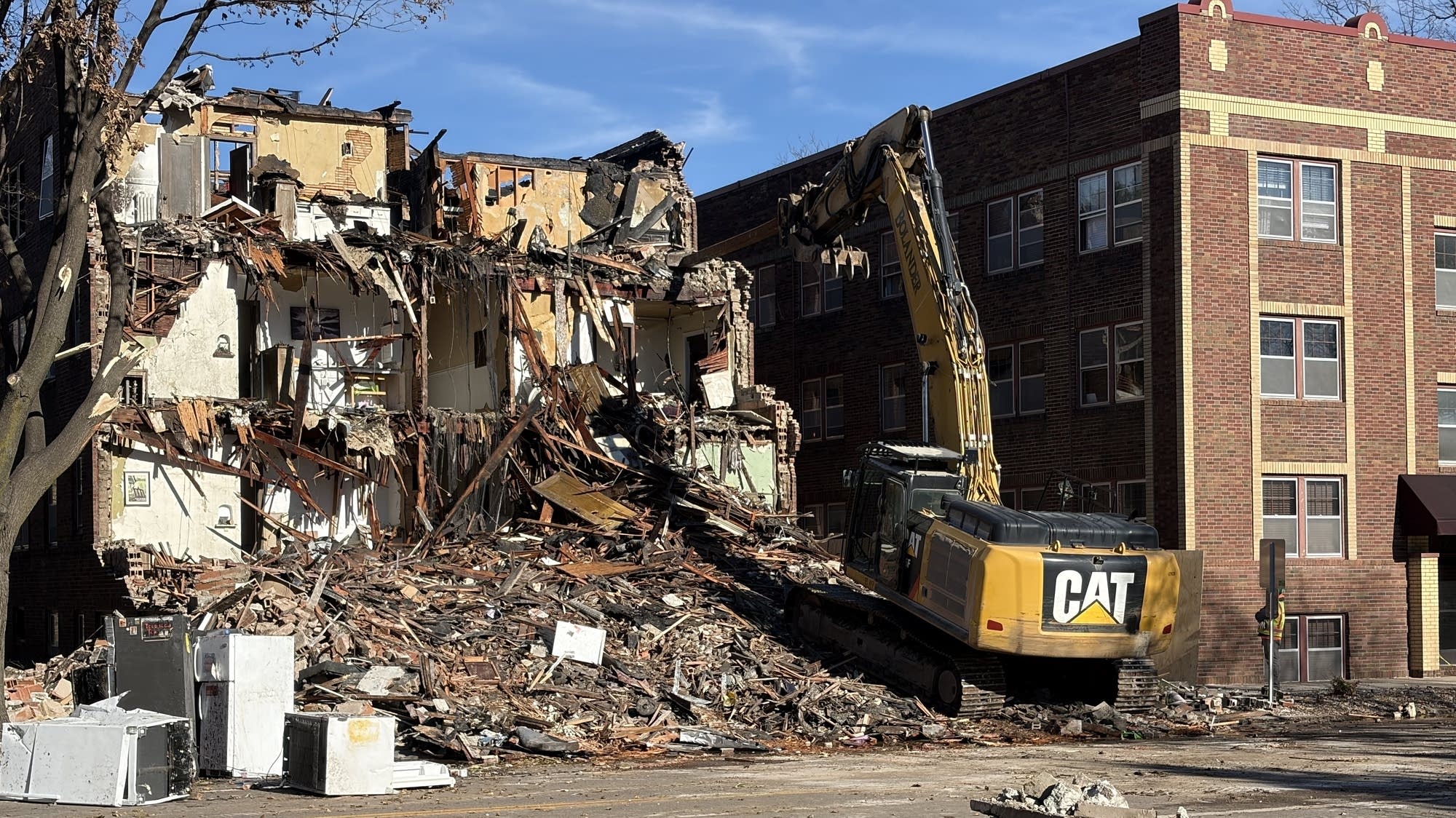
St. Paul Apartment Building Demolished Following Devastating Fire
Thick smoke billowed from a four-story building on Monday as St. Paul firefighters climbed an aerial ladder toward...

Students Scrutinize MSU Police Alert Policy After Halloween Shootings
Michigan State University police sent an off-campus safety alert for couch burnings on Saturday following criticism over missing...

What Jaylen Brown Said of His Icy Response to Jayson Tatum’s Dap
Jaylen Brown offered no acknowledgment to former teammate Jayson Tatum during a pregame dap attempt at Xfinity Mobile...

Maine Fire Chiefs President Views Robbins Lumber Probe as Learning Opportunity
Liberty Fire Chief Bill Gillespie, president of the Maine Fire Chiefs Association, is framing the state’s investigation into...