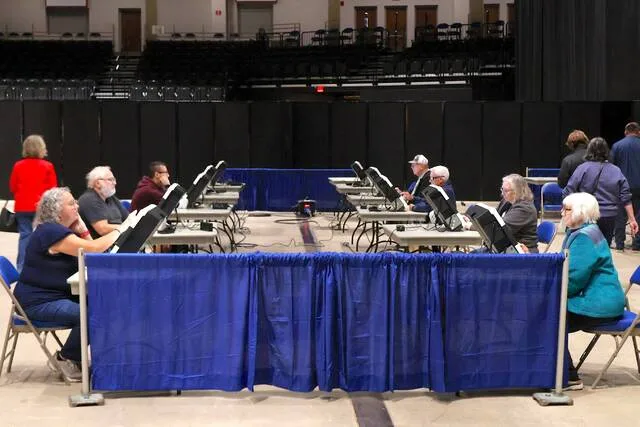
Voting serves as a personal act of agency and a vital signal of democratic resilience rather than just a choice between political candidates. While many feel disillusioned by a divisive system, participating in elections allows individuals to demand accountability and assert that their voices still matter in a changing society.
The argument for casting a ballot often feels hollow when the political landscape is defined by toxicity and exhaustion. For many, especially those in their 30s and younger, the current government does not seem to function in their interest. Instead of feeling empowered, many citizens find themselves caught in a cycle of working multiple jobs, managing family responsibilities, and navigating a constant barrage of attack ads and spam calls.
Seidler, an award-winning suicide prevention advocate who focuses on LGBTQ+ outcome data in North Dakota, argued that the motivation to vote should not stem from the traditional, aggravating political scripts that have dominated the last twenty years. She noted that the current climate often forces voters to choose the "lesser of two evils" rather than the "better of two goods," a dynamic that contributes to record-low engagement.
The disconnect in North Dakota voter turnout
The frustration expressed by many is reflected in the data. In North Dakota, voter turnout for the 2022 midterm elections sat at 42.9%. When life feels increasingly difficult regardless of who holds office, the decision to stand in line at a polling station can feel like a waste of time for a system that treats citizens like mere numbers.

However, the stakes of participation extend beyond the high-level partisan battles that dominate news cycles. Localized decisions can have immediate, multi-generational impacts on a community. For example, this year, voters in North Dakota have the opportunity to decide on the implementation of free school meals for children—a policy that directly affects the well-being and educational environment of the state’s youth.
While a single vote may not appear to possess immense power in isolation, the collective act of voting functions as a message. It signals that the population has not given up and that there is still a belief in the potential for societal improvement.
Voting as an act of personal resilience
The decision to participate can be viewed through a lens of psychological and civic resistance. Rather than focusing on whether a specific politician will deliver immediate change, the act of voting can be seen as a way to maintain hope and resilience. Even in instances where a preferred outcome is not achieved, the process of engagement can change how individuals perceive themselves and their role in a democracy.
Democracy requires continuous investment. This involves more than just showing up on election day; it requires paying attention, participating in the process, and demanding accountability from elected officials before, during, and after their terms in office.
“The world does not change tomorrow because we voted, but the act of voting can change who we are and how we see ourselves.”
By treating voting as an investment in the self and the community, citizens can move toward a different, and hopefully better, civic reality. The goal is to use the ballot to say that the individual matters, while simultaneously holding the existing system to account for its performance.
For those seeking practical information regarding the upcoming election cycle, including polling locations, registration requirements, and candidate platforms, the Vote411 guide provided by the League of Women Voters serves as a primary resource for navigating the process.
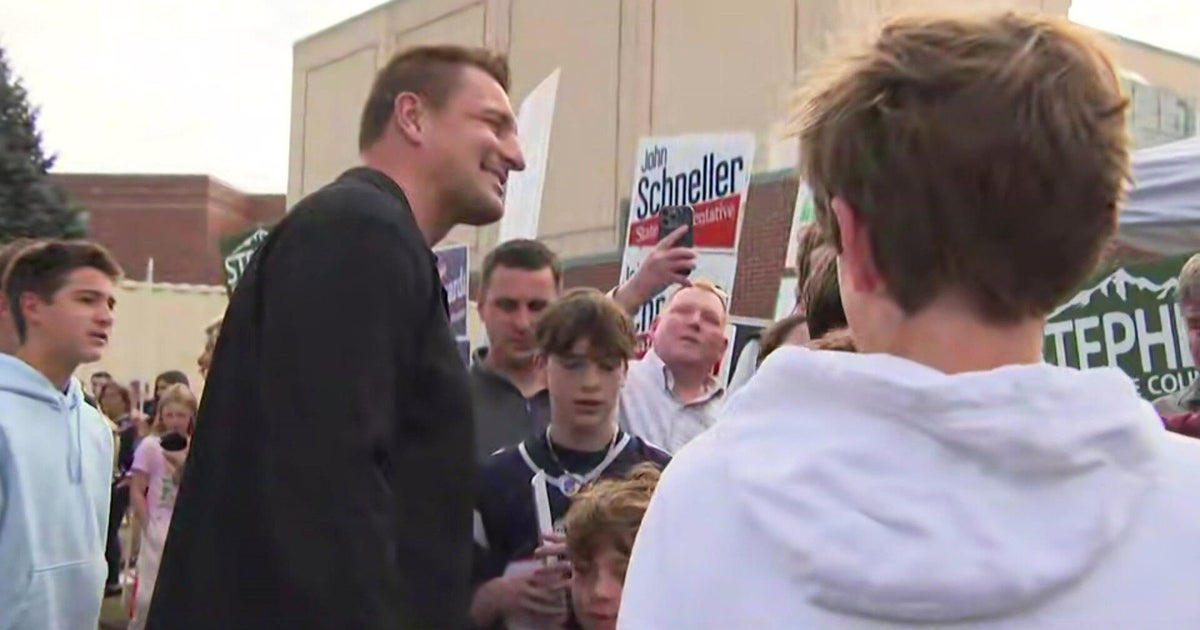
Rob Gronkowski Meets Voters at New Hampshire Polling Places
Rob Gronkowski appears at New Hampshire polling places on Election Day Former New England Patriots tight end Rob...
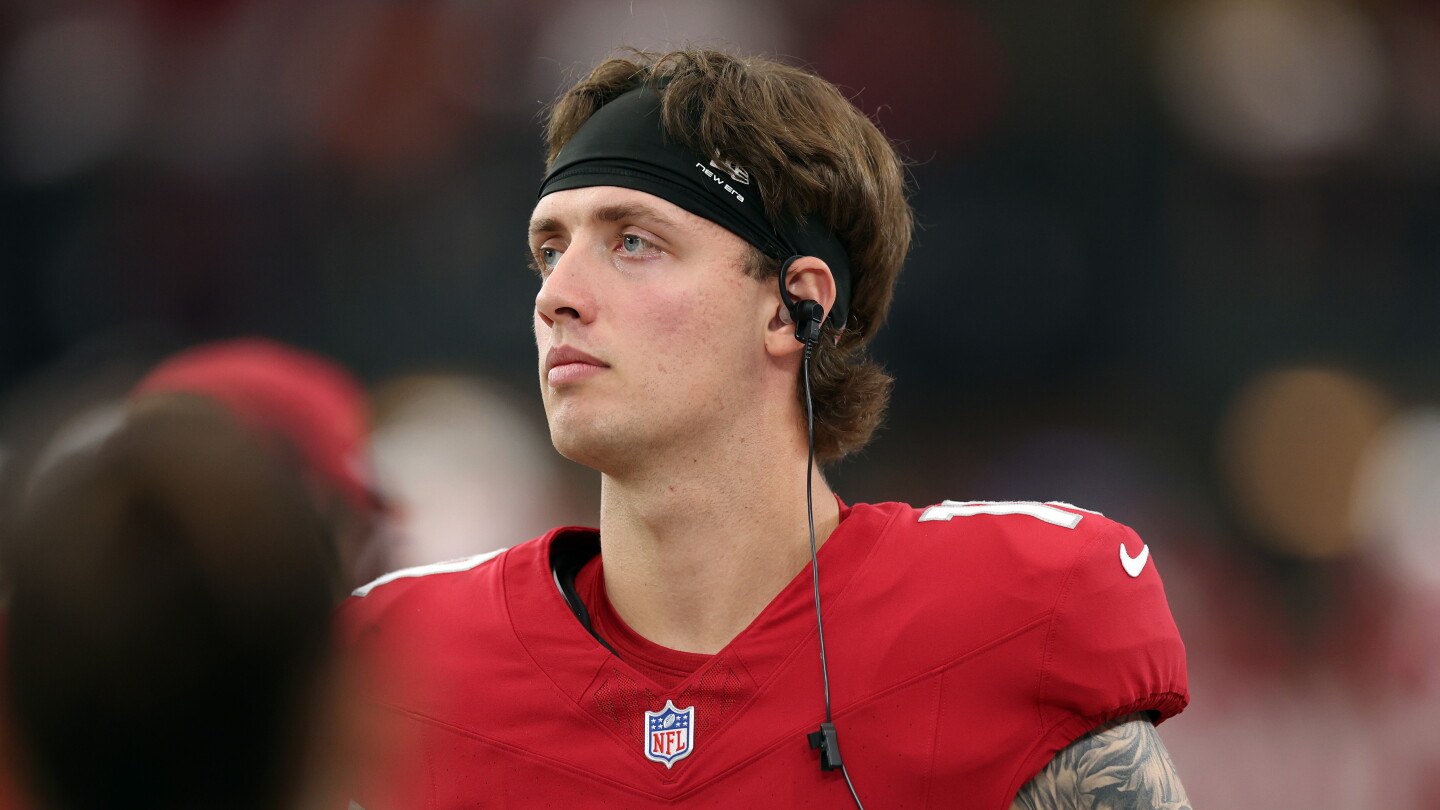
Carson Beck Rises to No. 2 on Cardinals QB Depth Chart
Carson Beck moves to number two on Cardinals depth chart “I know he’s prepared to go in there...

Maddy Moy Named Frontier Conference Defensive Player of the Week
Maddy Moy secures Frontier Conference Defensive Player of the Week honors Carroll College guard Maddy Moy has been...
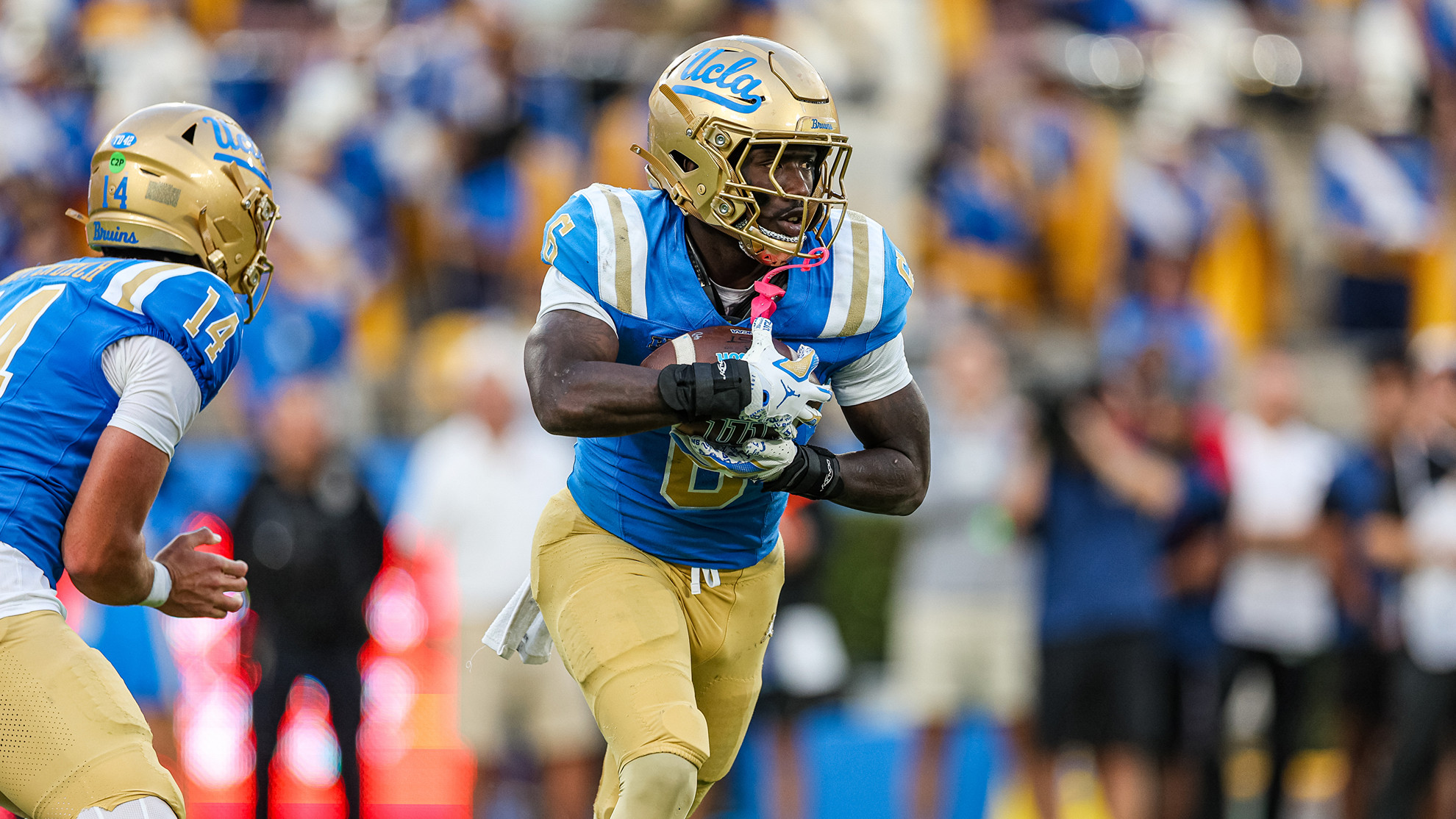
No. 5 UCLA Football Faces Minnesota in Historic Bob Chesney Era
UCLA eyes historic 9-0 start during Big Ten trip to Minneapolis The No. 5 UCLA football team heads...