
Wind forecasts tend to be more accurate than precipitation forecasts because wind depends on fewer atmospheric variables, according to National Weather Service forecasters in Bismarck. Precipitation requires tracking moisture sources, storm tracks and dry-air pockets that can evaporate rain before it reaches the ground.
North Dakota ranks among the top five windiest states and the top 10 driest, giving forecasters frequent practice with high-wind predictions but fewer major precipitation events, KFYR-TV reported.
Why precipitation is harder to pin down
Forecasters analyze multiple numerical models to calculate the probability of measurable precipitation at a specific location, said Chauncy Schultz, science and operations officer at the National Weather Service office in Bismarck.
“There are actually a lot of elements that go into forecasting precipitation. In many ways, it’s one of the harder forecast challenges that we have,” Schultz told KFYR-TV.
If scattered thunderstorms cover about 30% of an area, a backyard in that zone has roughly a 30% chance of seeing storms, Schultz said. Rain can form higher in the atmosphere but evaporate in a pocket of dry air before reaching the surface, cutting actual totals below forecast amounts. Precipitation intensity can also shift over just a couple of miles.

Wind driven by pressure differences
Wind forecasts rely on the pressure gradient between high- and low-pressure systems, a larger-scale feature that varies more uniformly across a region.
“It’s base level. We’re actually forecasting the difference in pressure across the region. An area of low pressure, an area of high pressure, what’s the difference between those? The strength of those two systems, that really does drive our wind,” Schultz said.
With fewer ingredients to track than the countless moisture and storm-track scenarios that govern rain and snow, wind is generally forecast more accurately, Schultz said.
“Wind is something that we get a lot of at-bats at in this part of the world. I think that’s to no surprise of anybody. My family likes to give me a hard time that we’re really good at forecasting the wind. Perhaps way better than we are at forecasting other things,” Schultz said.
Worth a look
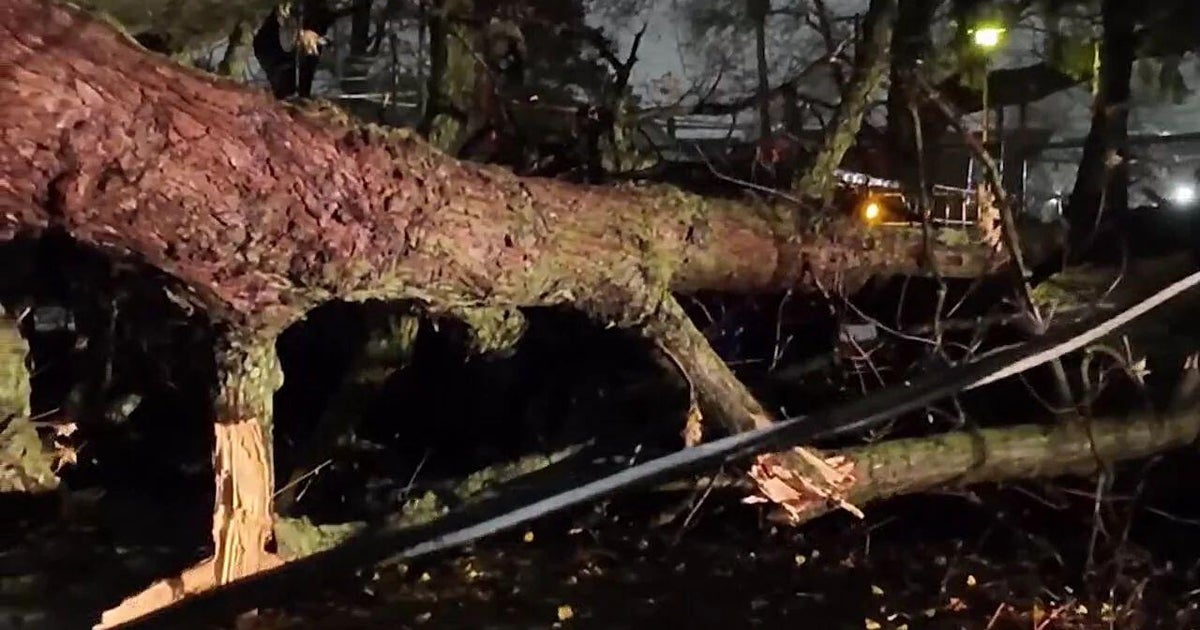
Thanksgiving Storm Knocks Out Power, Floods Roads Across Queens
A Thanksgiving storm knocked out power to more than 100 homes in South Jamaica and flooded roads across...

Wyoming Suspends Coach Jay Sawvel Amid NCAA Review Ahead of UConn Game
Wyoming (7-4) self-reported the violations; defensive ends coach Brian Hendricks will serve as acting head coach. UConn (6-5)...

Vikings Must Beat Falcons to Be Taken Seriously as Contenders
The Minnesota Vikings host the Atlanta Falcons this week in a matchup the home side needs to win...

Hundreds Gather for Bayou Classic Parade in New Orleans
Hundreds gathered in downtown New Orleans for the annual Bayou Classic Thanksgiving Day parade, WVUE reported. The parade...