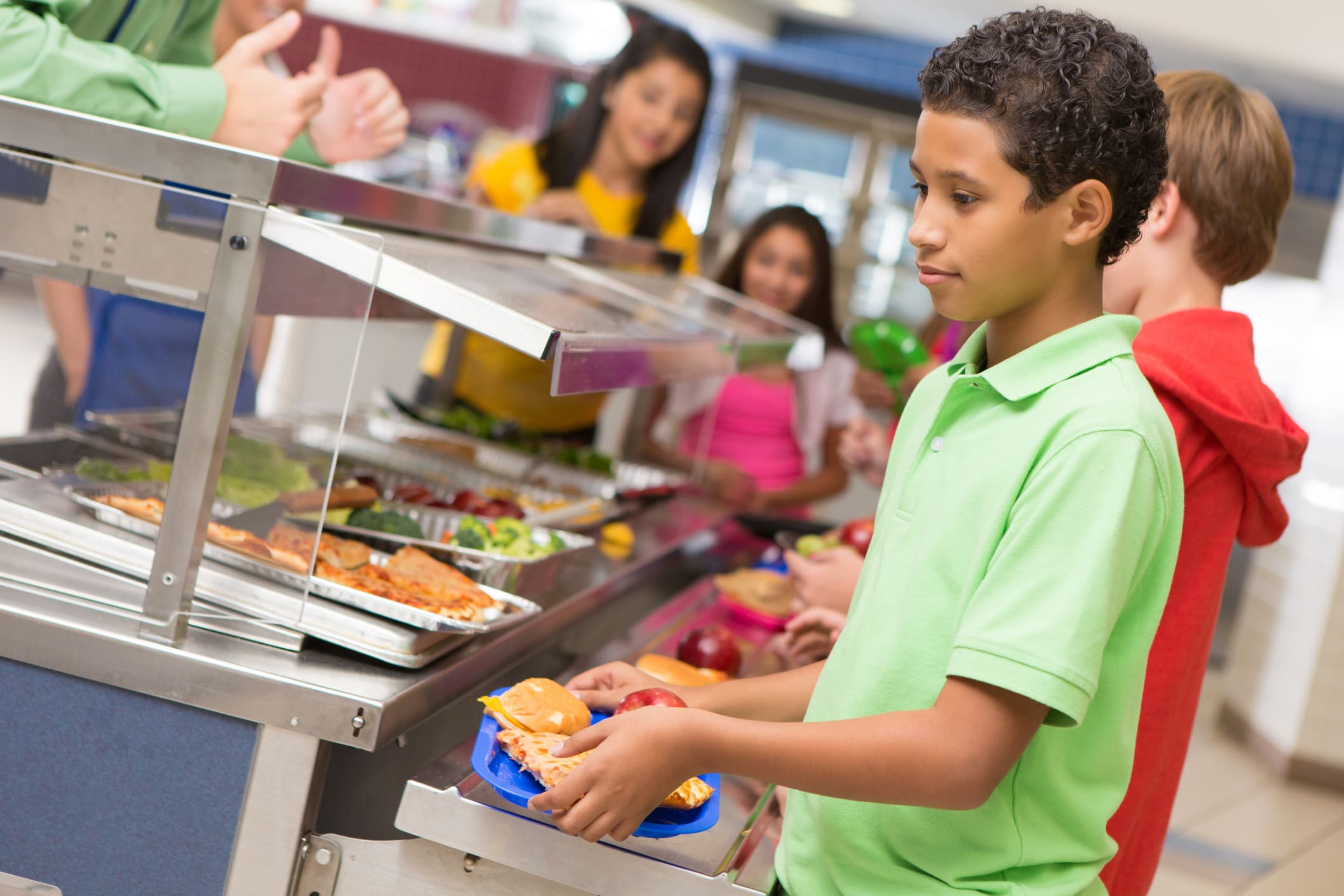
Free school meals could be on the horizon for Wisconsin students, a priority for the newly Democratic-controlled Legislature.
The proposal aims to make life more affordable for families and improve student well-being, a shift from previous attempts that failed under Republican leadership.
Democratic lawmakers are planning the upcoming legislative session and budget-writing process. Incoming Assembly Speaker Greta Neubauer mentioned free school meals as a way to lower costs, a key part of the party’s Lowering Costs, Improving Lives package introduced in January 2025. Sen. Sarah Keyeski said then that hunger hurts students’ ability to concentrate and participate in school activities.
Kaitlin Tauriainen, the child nutrition coordinator for the Ashwaubenon School District, is hopeful after years of advocacy. “We’ve been working on it for longer than two years,” Tauriainen told The Wisconsin Independent. “We know it is a priority for many of the legislators in our state and couldn’t be happier to keep putting the work in.”
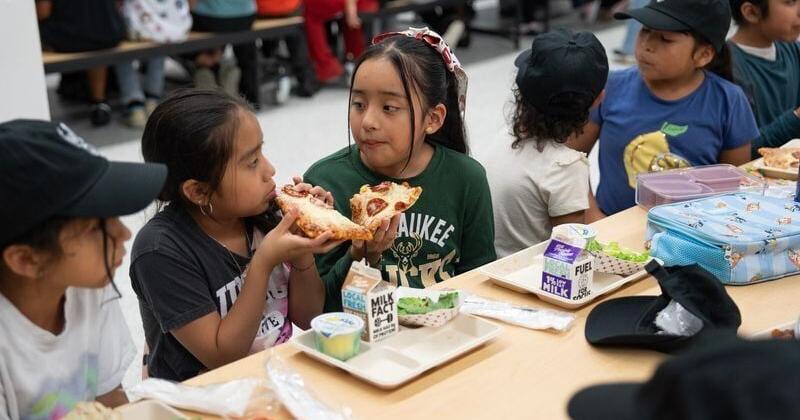
Tauriainen noticed the benefits of offering free meals during the COVID-19 pandemic. Previous legislation would have reimbursed schools for free breakfast and lunch meeting federal nutrition requirements. She shared estimates showing about 420,900 more Wisconsin students would eat for free under the plan, including 55,300 food-insecure children.
The families of food-insecure children would save about $13.1 million per year on school meals, based on October 2025 state data and Feeding America’s research. A significant portion of those in need are just above the poverty line; using 2024 data, about 94,600 of Wisconsin’s 253,870 food-insecure children came from families above 185% of the poverty line, too wealthy for traditional free or reduced-price meals.
Offering meals to all who request them removes the stigma for students, Tauriainen said. It lets them feel comfortable at school, knowing they will be fed. “We give students bussing and textbooks and teachers to teach the classrooms,” she said. “The students can’t reach their full potential with those things that we’re already providing them if they’re not fed as well.”
Sudden financial changes or forgotten lunch account payments can leave students without meals. “We don’t know what’s happening in people’s lives,” Tauriainen said. Nine states, including neighboring Minnesota and Michigan, currently offer free meals to students.
The estimated cost to implement the program in Wisconsin was about $148 million per year in 2025. It’s unclear whether a bill introduced in the next session would be identical to the previous version, which did not pass.
During the pandemic, Ashwaubenon School District saw a 25% increase in meal participation when meals were free to all students, according to Kaitlin Tauriainen, child nutrition coordinator, in April 2022. The district also noted behavioral improvements in classrooms, with teachers reporting students were “ready to learn” and “happier in school” under the universal free meals program, as observed in April 2022.
“This is just something kids need to help get through the day,” Tauriainen said. “All this money that we’re spending on education, if we’re not feeding them and getting them set on the right path, isn’t doing as much as we’d like it to do for our students. So this is so important.”
Related reading

Plane + Pilot Maps Alaska Into Three East-West Bands
Plane + Pilot magazine published a September–October 2026 guide that maps Alaska into three east–west bands and argues...

Connecticut AI Listings Trail Microsoft Office, Pay Spans $36K to $300K+
Conference Board data showed 650 Connecticut listings citing generative AI in October. Pay spans from just above the...
Utah Awards $9.3 Million in Grants to Boost Local Food Security
Utah awarded $9.3 million to 41 local businesses on November 24, the first distribution from an $11 million...

How Oregon Governor Sylvester Pennoyer Created Two Thanksgivings to Spite President Cleveland
Oregon Governor Sylvester Pennoyer proclaimed Thanksgiving on the fourth Thursday of November in 1893 and again in 1894,...