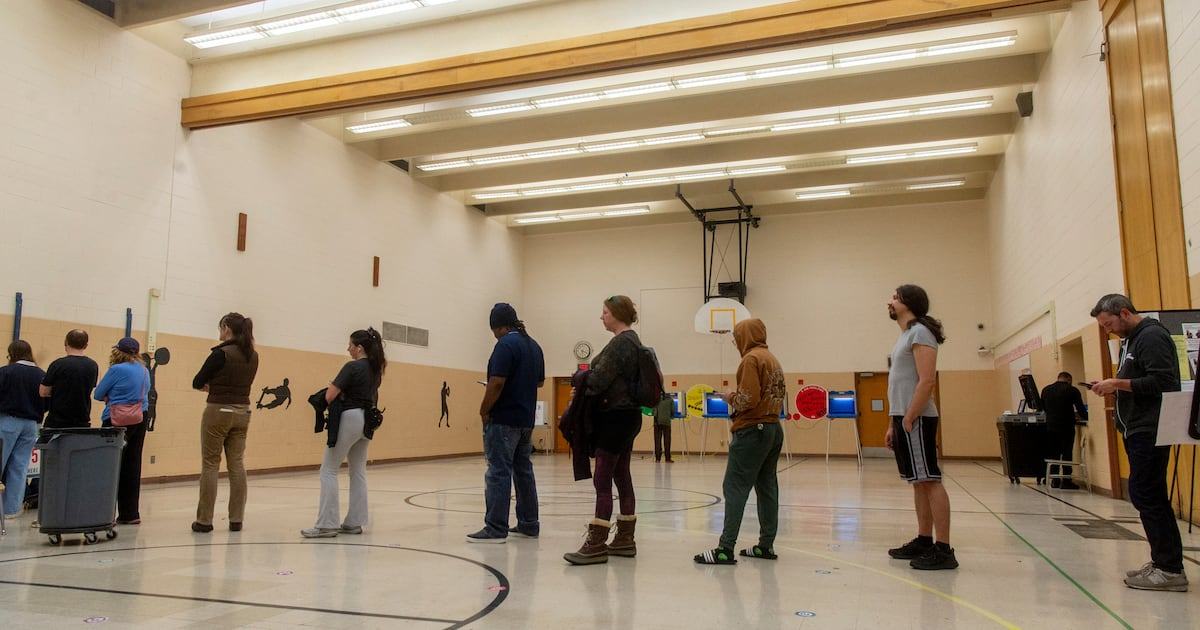
Wisconsin university voters again faced hours-long lines at polling places in November, with the worst bottlenecks reported at the University of Wisconsin campuses in Stevens Point and Whitewater, Civic Media reported.
At a Stevens Point city council meeting on Nov. 16, Ella Jordahl, voter access director for the student group The Wisco Project, told officials the election operation “was a failure, but most importantly was avoidable.” Four other speakers described frustration and chaos, noting that some students left the line and did not return.
In Stevens Point, City Clerk Susan Pagel said the city consolidated polling locations from 11 to six because of budget constraints, concentrating student voters at fewer sites. After the election, Pagel and Mayor Mike Wiza proposed spending $35,000 on additional electronic pollbooks to speed check-ins; the city finance committee approved the purchase on Nov. 9.
Brittany Vulich, Wisconsin senior campaign manager for All Voting Is Local Action, called the investment “an important and necessary step, but not the whole solution,” urging the city to add early in-person voting sites on campus.
In Whitewater, the crisis turned on a ballot shortage. City Clerk Heather Boehm ordered 200 ballots for Ward 13 based on the 180 voters who turned out in 2022, but data submitted to the Wisconsin Elections Commission shows 355 voters cast ballots in that ward two years ago.
Ultimately, 421 voters showed up at the campus polling place in November. When ballots ran low, officials directed voters to an ExpressVote machine, which prints a marked paper ballot, but extensive lines formed there as well. Boehm did not respond to multiple requests for comment.
The contrast with Madison is sharp. Deputy Clerk Kaitlyn Bernarde said Madison doubled staffing at university locations — 18 workers versus eight at standard sites — and uses an MIT and Caltech modeling tool to calculate wait times based on check-in stations and expected turnout.
Workers rove the lines to triage voters by registration status, and training emphasizes processing Election Day registrations. When early-voting lines spiked in 2024, the city added a weekend of campus early voting.
“The hard part is, there’s no single solution. It needs to be very much a holistic thing based on communication, adequate resourcing and technology that works well for everybody.”
Jennifer Morrell, CEO of The Elections Group
But smaller cities say they cannot simply copy those playbooks. Stevens Point’s municipal code caps poll workers at 11 per site, plus one greeter, preventing the surge staffing Madison and Orange County deploy.
Pagel said she plans to seek an ordinance change to allow more workers, while focusing on better training for same-day registration and coordinating with the university to encourage early registration. “What we need to do is have better line control,” she said. “Make sure the students have the required documents ready.”
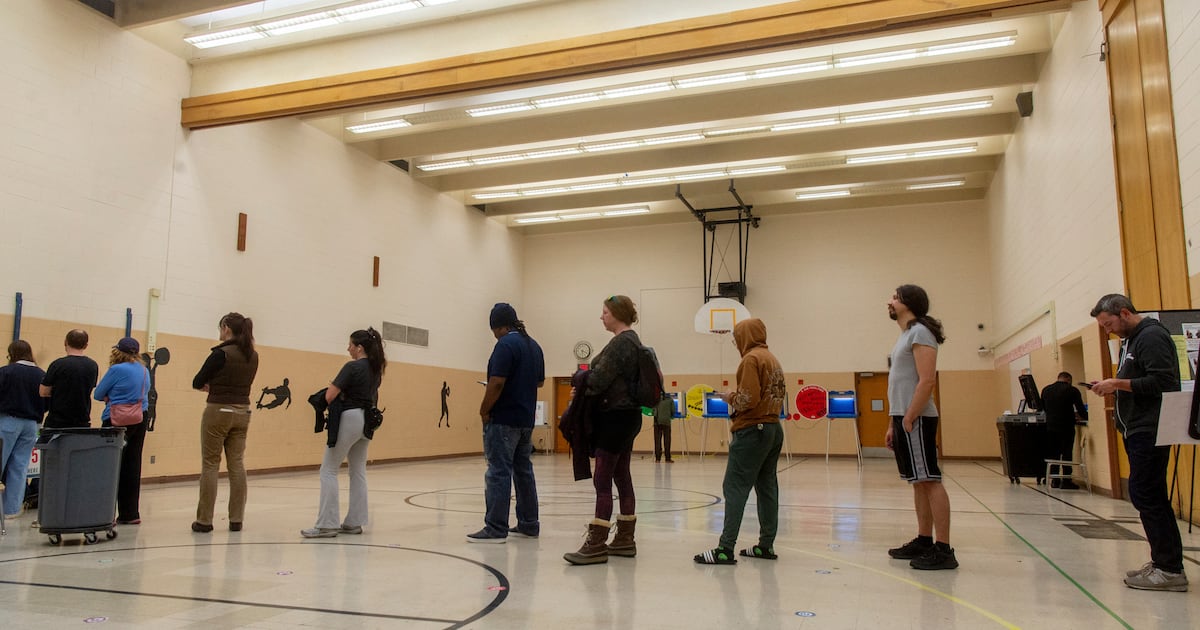
Long lines at polling places near the University of Wisconsin campuses in Stevens Point and Whitewater were a feature of the November election.
Worth a look

Taco Bell Cantina Menu at Virginia Beach Location Lists Drinks, Health Advisories
Taco Bell’s Cantina Menu lands at 1360 Fordham Dr in Virginia Beach with layered tacos, burritos, quesadillas and...

53-Year-Old Edmore Woman Dies in 3-Vehicle M-57 Crash in Bushnell Township
A 53-year-old Edmore woman died Friday morning when her Ford Fusion crossed the centerline on M-57 in Bushnell...

Juici Patties Sells 21,000 Patties in First Week at 40th U.S. Location in Bridgeport
Bridgeport just proved it has an appetite for Jamaican comfort food — 21,000 patties devoured in seven days...

Columnist: Major Outlets Miss Key Stories, Alleges Assault, Notes Fraud Coverage Gap
In a column for The Maine Wire, Jon Fetherston argues that the state's largest news outlets have ignored...