Wisconsin Lutheran College Launches Four-Year Pharmaceutical Sciences Degree With MCW
Students looking to enter drug development can now enroll in a combined Bachelor of Science in Pharmaceutical Sciences program at Wisconsin Lutheran College, wlc.edu reported. The curriculum bridges undergraduate science education with advanced coursework taught directly by faculty at the Medical College of Wisconsin School of Pharmacy.
The program condenses specialized training by pairing three years of foundational study at Wisconsin Lutheran College with a fourth year of upper-level pharmaceutical coursework. Officials structured the pathway to prepare graduates for roles in biotechnology, pharmaceutical research, and drug discovery without requiring an immediate transition to a standalone graduate program.
Curriculum Structure and Medical College Faculty Partnership
Undergraduates spend their first three years completing core requirements in biology, chemistry, and mathematics on the college’s campus. During this phase, faculty advisors work with students to map prerequisites and build competency in laboratory sciences.
In the fourth year, students transition to advanced coursework administered by the Medical College of Wisconsin School of Pharmacy faculty. The senior curriculum requires 27 credits delivered through an asynchronous online format, supplemented by optional on-campus interactive review sessions.
The fall semester comprises 14 credits covering:
- Pharmaceutical Drug Delivery
- Medicinal Chemistry & Drug Discovery
- Pharmacology & Toxicology
- Biotechnology
- US Healthcare System
The spring semester delivers 13 credits focusing on:
- Analytical Techniques
- Pharmacokinetics & Pharmacogenomics
- Clinical Research & Biostatistics
- Pharmacy Research & Seminar
Career Pathways and Further Study Options
Graduates earning the Bachelor of Science in Pharmaceutical Sciences step into a job market spanning multiple scientific sectors. Potential employment areas include research and development laboratories, manufacturing facilities, and regulatory compliance offices.
Specific professional directions supported by the degree include:
- Pharmaceutical and Biotechnology Research: Supporting drug discovery, product development, and laboratory testing.
- Quality Assurance and Regulatory Affairs: Evaluating product quality and maintaining safety standards.
- Pharmaceutical Manufacturing: Contributing to medication production and quality control.
- Clinical Research: Supporting clinical trials and analyzing healthcare data.
The curriculum also functions as preparation for students intending to pursue graduate or professional education in pharmacy, medicine, biotechnology, or related scientific disciplines, though certain advanced roles require subsequent licensure or specialized degrees.
Worth a look

Robert H. Garner, Outdoorsman and Vietnam Veteran, Passes Away
Remembering Robert H. Garner Robert H. Garner, a lifelong outdoorsman, veteran, and family man, passed away on Tuesday,...
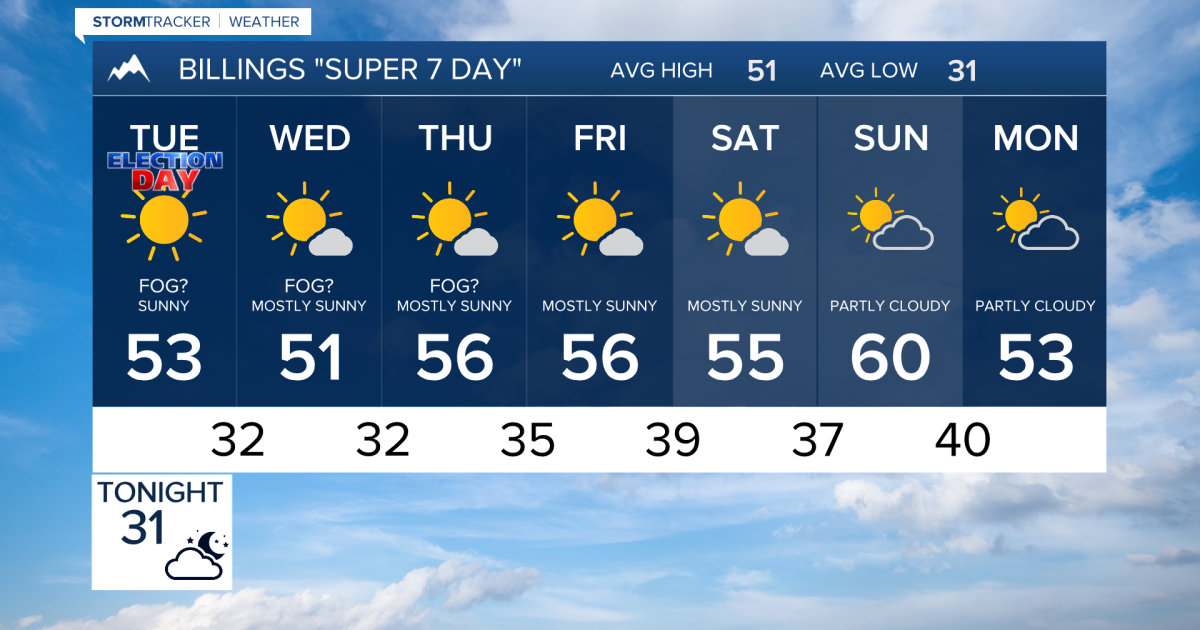
Temperatures climb across southern Montana and northern Wyoming
Winds Ease and Temperatures Climb Across Southern Montana and Northern Wyoming Rain and mountain snow will steadily taper...
$678,175 Spent on Minneapolis City Hall Repairs and Flagpole Replacement
Minneapolis and Hennepin County Spend $678,175 on City Hall Flagpole and Tower Repairs Government infrastructure maintenance often lands...

Detroit Lions Injury Updates: Rolder, Reed, Mays, Wonnum, Branch – Sports Illustrated
Dan Campbell Announces Jimmy Rolder's Season-Ending Hamstring Injury After Vikings Game Rookie linebacker Jimmy Rolder's first NFL season...