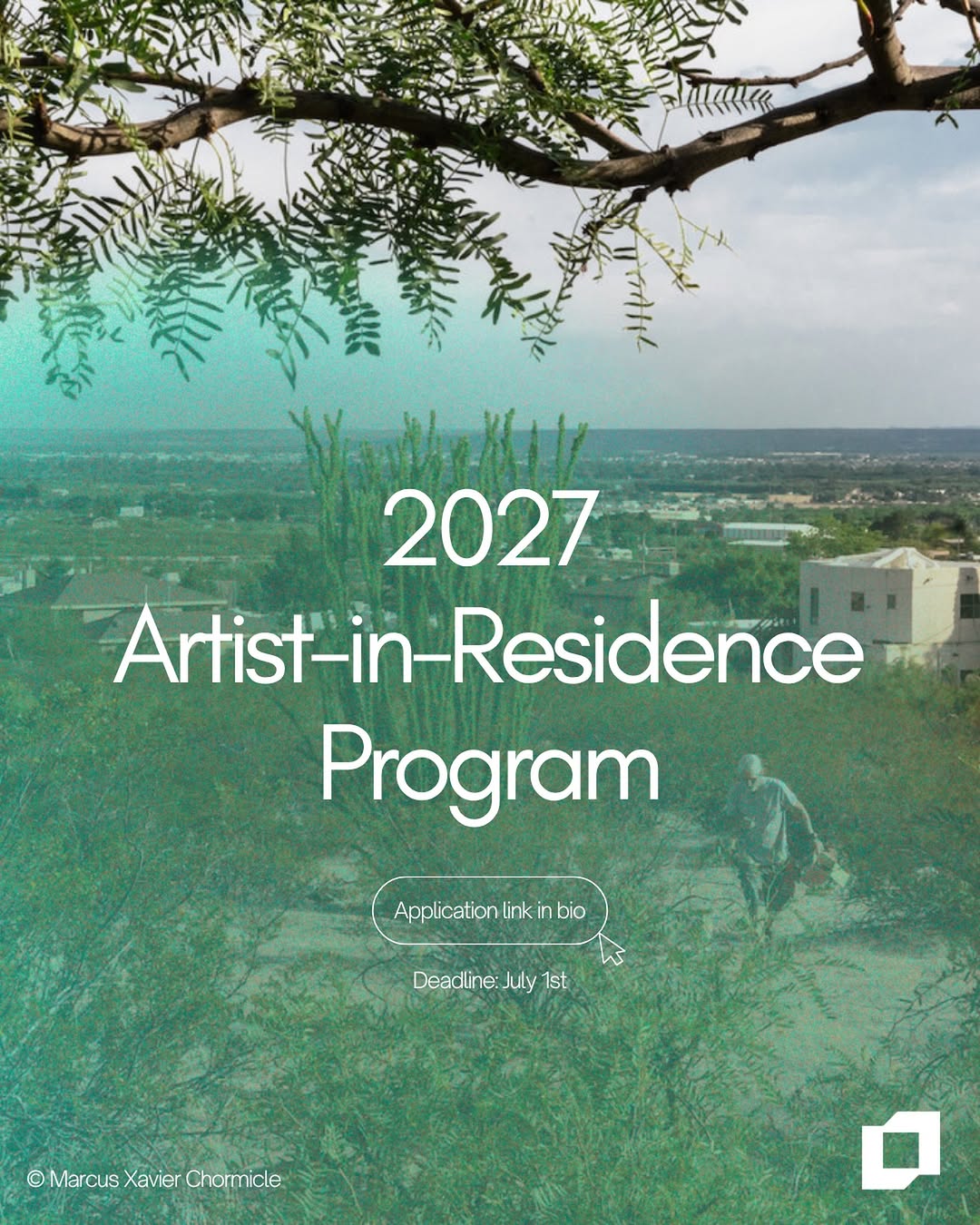
West Virginia University Libraries is accepting applications for its 2027 Artist in Residence program, a residency focused on the theme “Common Threads: Industry, Labor & Community.”
Artist Communities Alliance reported that the initiative seeks to bridge the gap between contemporary creative practice and the deep historical archives held at the West Virginia & Regional History Center (WVRHC). The program invites creators working in visual arts, writing, dance, performance, book arts, digital media, and cultural heritage to engage directly with the state’s historical records.
The residency provides access to a vast collection of primary source materials, including union records, company town archives, oral histories, and community papers. By utilizing these resources, residents aim to develop projects that honor, reframe, or elevate the diverse working-class heritage and cultural identity of West Virginia and the central Appalachian region.
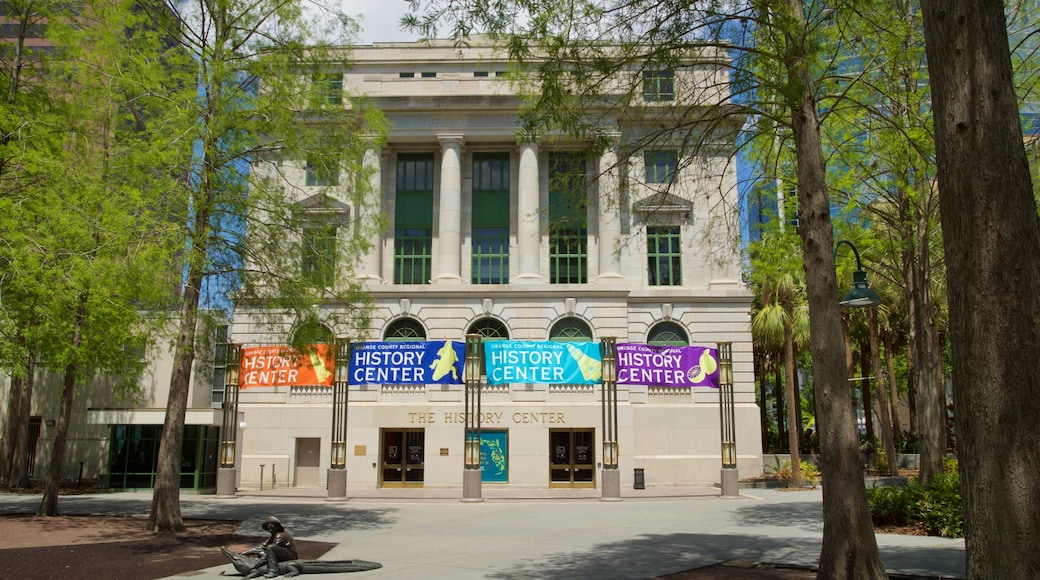
The West Virginia & Regional History Center serves as the primary repository for historical documentation regarding the Appalachian region. This collection offers more than just static documents; it provides a raw look at the socioeconomic forces that shaped the state.
The Art in the Libraries Program is designed to use these archives to stimulate interdisciplinary discussion. By bringing artists into the library environment, the university seeks to complement its academic mission through creative interpretation of historical data and lived experiences.
For those applying, the scope of work is broad. A digital media artist might use oral histories to create immersive soundscapes, while a writer might draw inspiration from the specific legalities found in century-old union documents. The goal is to move beyond traditional history books and into transformative, sensory storytelling.
The focus on “Industry, Labor & Community” is not merely academic. It touches on the fundamental identity of a region often defined by its industrial past. As economic structures in Appalachia shift, the records of the coal, timber, and manufacturing sectors become vital touchstones for understanding current community dynamics.
While some might argue that historical archives are for historians and academics alone, this program suggests artists help make that history accessible and resonant for a modern audience. Through art, the complexities of labor struggles and the nuances of community life can be translated into forms that speak to contemporary social and economic realities.
The residency functions as a laboratory where the past is not just studied, but re-examined through new lenses. This process can help ensure that the stories of West Virginia’s working class are not lost to time but are instead integrated into the ongoing cultural dialogue of the 21st century.
Worth a look

Why Beating Michigan Is the Only Nonnegotiable Left for Ohio State
In a column for Land-Grant Holy Land, a contributor argues that while Ohio State has three games remaining...

Proposed SNAP Rule Changes Could Impact Nevada Families and Retailers
Federal regulators are moving to tighten how families qualify for food assistance, a decision that could strip nutrition...

Chiefs Restructure Nick Bolton Contract and Make Roster Moves to Facilitate Josh Downs Trade
Kansas City Chiefs linebacker Nick Bolton saw $6.76 million of his salary converted into a signing bonus to...

Maine Waives Penalties for 6 Fire Departments Cited After Deadly Searsmont Mill Explosion
Six Maine fire departments are facing state citations following the catastrophic May 15, 2026, explosion at the Robbins...