Wild turkey hunting season is open across Wyoming, and the Game and Fish Department is offering hunters stealth tactics and cooking advice as birds move to lower elevations for winter.
Brandon Werner, Casper Region wildlife management coordinator and chair of the department’s wild turkey working group, said hunters should focus on middle to lower elevations as the season shifts from fall to early winter. “Wild turkeys often migrate in Wyoming from the mountains and foothills to lower elevations to winter along agricultural fields, creeks and river bottoms,” Werner told County 10.
He recommended locating roost trees and feeding areas, then setting up between them while wearing camouflage and sitting still. Another tactic involves scattering a flock — either by scaring it or using a dog — then calling the family groups back with a keekee run, a gathering call that takes practice.
In 2025, 2,488 hunters harvested 1,104 turkeys in Wyoming, according to department figures cited by County 10. The birds are not native to the state; Game and Fish and New Mexico Game and Fish traded sage-grouse for 15 Merriam’s turkeys in 1935, releasing them on the George Waln Ranch on Cottonwood Creek in Platte County. By 1947, the population exceeded 1,000 and became the seed source for transplants statewide, Wyoming Express noted.

Cooking a wild turkey requires different handling than a store-bought bird. Wild turkeys have less fat and tend to be drier. Plucking instead of skinning retains moisture and adds flavor, similar to chicken skin. A cooking bag helps, as does laying bacon strips across the breast under foil, removing the foil at the end to brown the skin.
Brining and smoking also retain moisture and complement the wild flavor, County 10 reported. Thanksgiving guests will notice longer legs, a proportionally smaller and more angular breast, and a fuller taste driven by the bird’s seasonal diet: grasses, forbs, seeds and insects in spring; mostly insects in summer; and hard mast such as ponderosa pine seeds, burr oak, chokecherry, plums, currants, and agricultural seeds in fall and winter.
The transplanted birds did not remain near the release site but moved into the mountains alongside the domestic flock. This early movement preceded the population growth that followed.
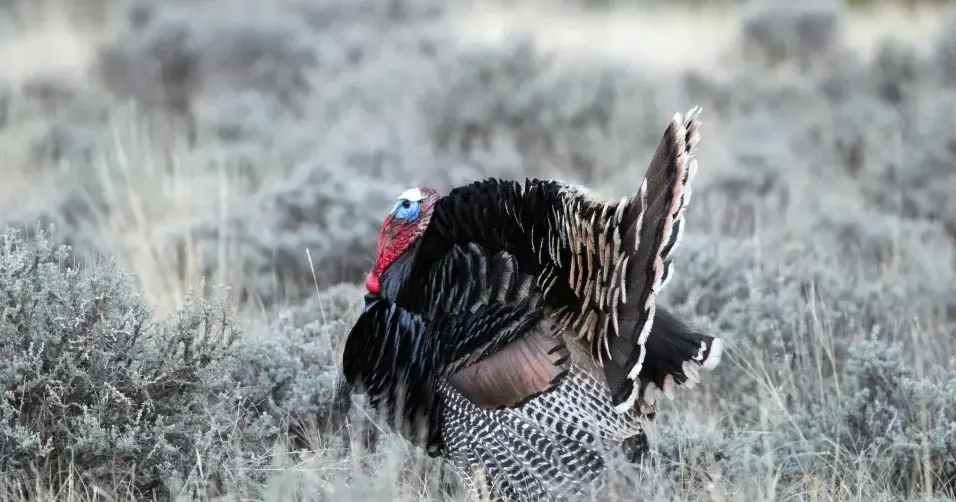
That population served as the seed source for many other wild turkey transplants around the state, creating the abundance and distribution hunters see today. The department continues to manage the birds through fall and spring seasons across Wyoming.
Hunters should review the game bird and small game regulations on the Wyoming Game and Fish website before heading out.
Worth a look
Middletown Residents Reflect on Safe Lead Azide Detonation at Iowa Ammo Plant
"This time yesterday, it was, it was pretty crazy around here," said Tim Thomann, who has lived in...

Dylan McIlrath Arrives in Grand Rapids, Helps Griffins Win Calder Cup
Dylan McIlrath arrived in Grand Rapids on March 1, 2017, after playing for five teams in one season,...

No. 9 LSU Opens Fort Myers Tip-Off vs. Villanova Seeking Eighth Straight Win
No. 9 LSU women's basketball opens the 2026 Fort Myers Tip-Off on Friday against Villanova at 3:30 p.m....
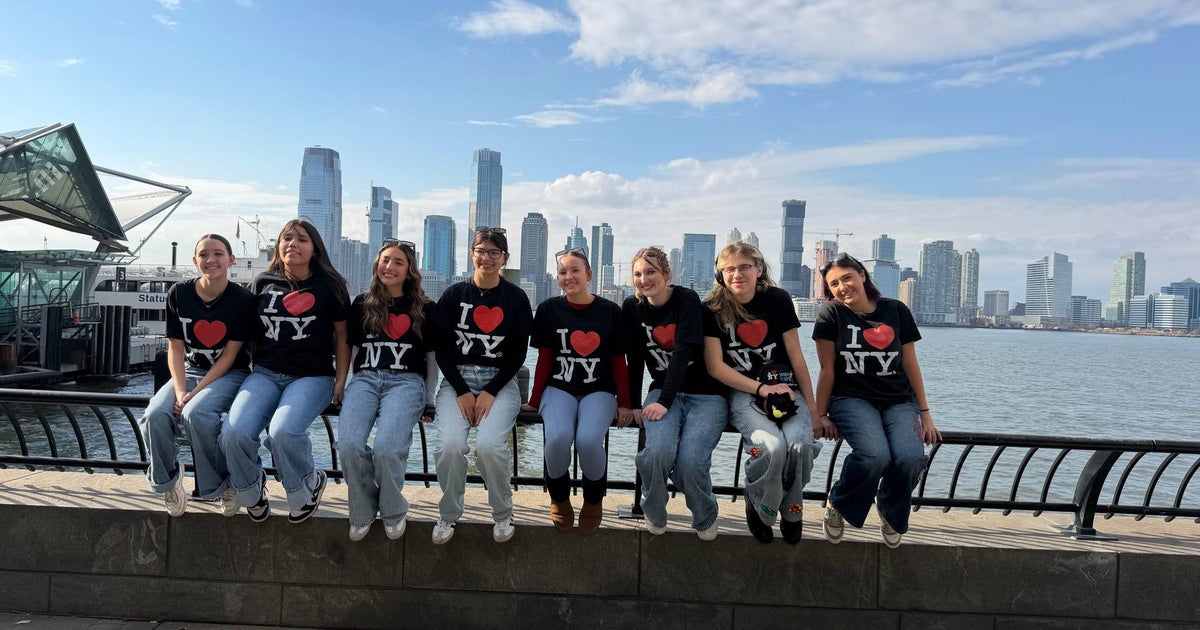
Colorado Dancers Face Thousands in Costs After Historic Macy’s Parade Postponement
Eight dancers from Pueblo's Sarah Shaw Dance Studio face unexpected costs after the Macy's Thanksgiving Day Parade was...