
Wyoming hunters pursue wild turkeys each fall and spring because a 1935 trade with New Mexico seeded the state’s first viable flock.
The Wyoming Game and Fish Department swapped sage grouse for 15 Merriam’s turkeys — nine hens and six toms — and released them on the George Waln Ranch along Cottonwood Creek in Platte County, Buckrail reported. The birds thrived in the Laramie Mountains west of Wheatland, numbering more than 1,000 by 1947.
Biologists used those Laramie Peak turkeys as seed stock for several failed reintroductions elsewhere before transplanting 33 Platte County birds and 15 more from New Mexico near Redwater Creek in the northwest Black Hills in 1951 and 1952. That population, likely joined by strays from South Dakota releases, became the foundation for Wyoming’s most recognized turkey hunt area. Legal harvest began in 1955.
Fall hunting differs from the camouflaged calling of spring, the department said. Turkeys can spot hunter orange, and with big‑game seasons still open, fall turkey hunters may consider wearing orange or pink for safety.
Joe Sandrini, Newcastle area wildlife biologist and wild turkey researcher, suggests a stealthy pursuit at middle to lower elevations as the season shifts toward early winter. “When flocks are startled and busted up, the birds can often be called back as they seek to reunite,” Sandrini said. “Doing this from a concealed location is an effective fall hunting technique that is used in many parts of the country.”
By March, gobblers establish strutting grounds along creek bottoms or forest edges, amassing harems and driving off smaller males. Hens nest nearby close to reliable water, laying about two eggs every three days until a clutch of 10 to 13 is produced.
After roughly 28 days of incubation without help from the gobblers, chicks hatch; within a week they fly and roost in trees. Hens and their broods stay together until the next breeding season.
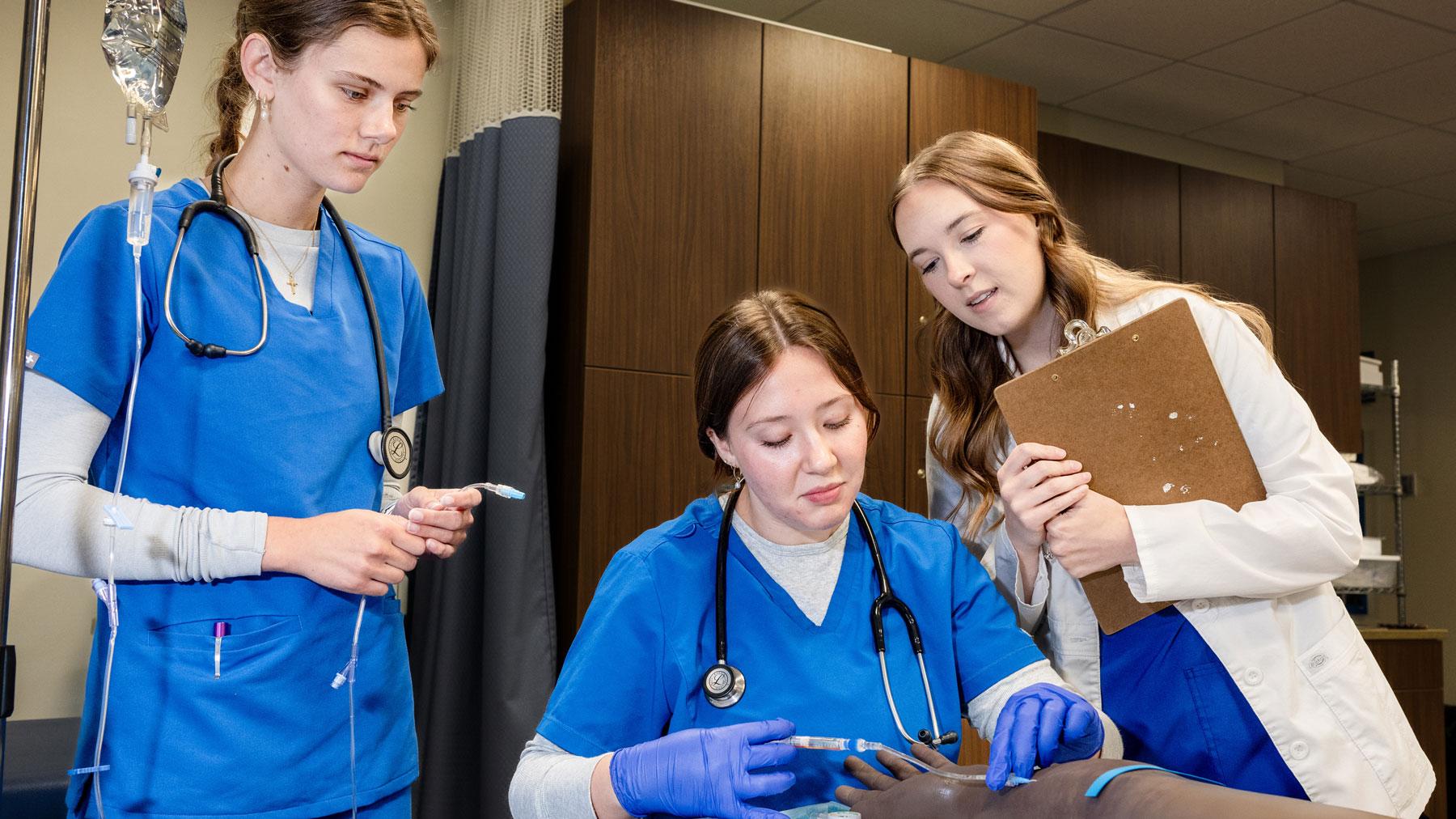
University of Mary Hosts Tuition-Free Nursing Academy Sessions in Billings Dec. 1
The University of Mary will hold three information sessions in Billings, Montana, on Tuesday, Dec. 1, to promote...

Kansas Jayhawks Host Denver Pioneers at Allen Fieldhouse: Starters, Time, TV Info
Kansas hosts Denver at 7 p.m. Monday at Allen Fieldhouse in Lawrence; the game streams on ESPN+ and...
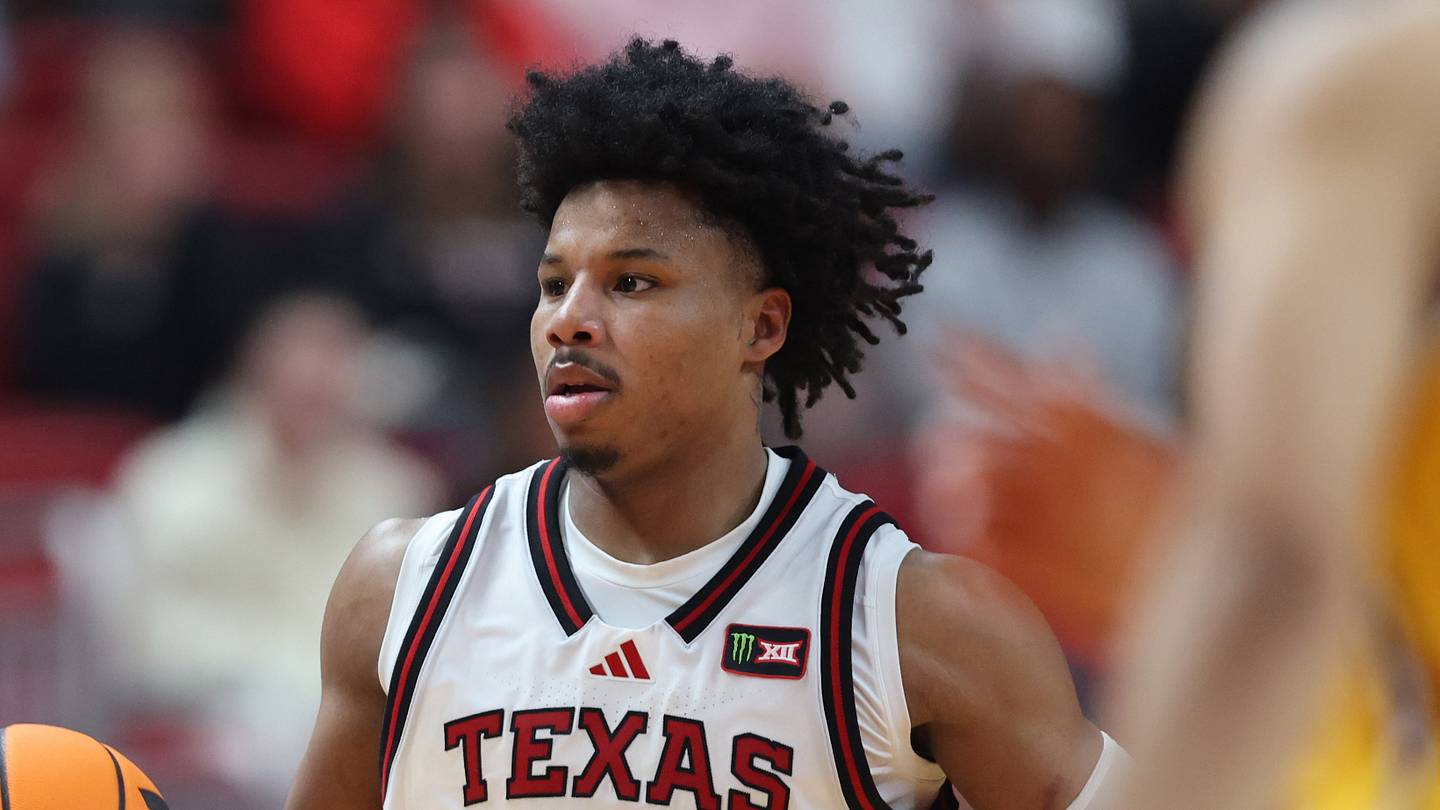
No. 9 Texas Tech Faces No. 23 Louisville in Players Era Festival Opener: TV, Streaming, Radio Info
No. 9 Texas Tech faces No. 23 Louisville on Tuesday, November 24, at 7 p.m. Central (8 p.m....

Des Moines Nonprofit Knock and Drop Iowa Expands Pantry Hours After County Investment
"Many families are working hard and doing everything 'right,' yet they still struggle to afford basic necessities," said...