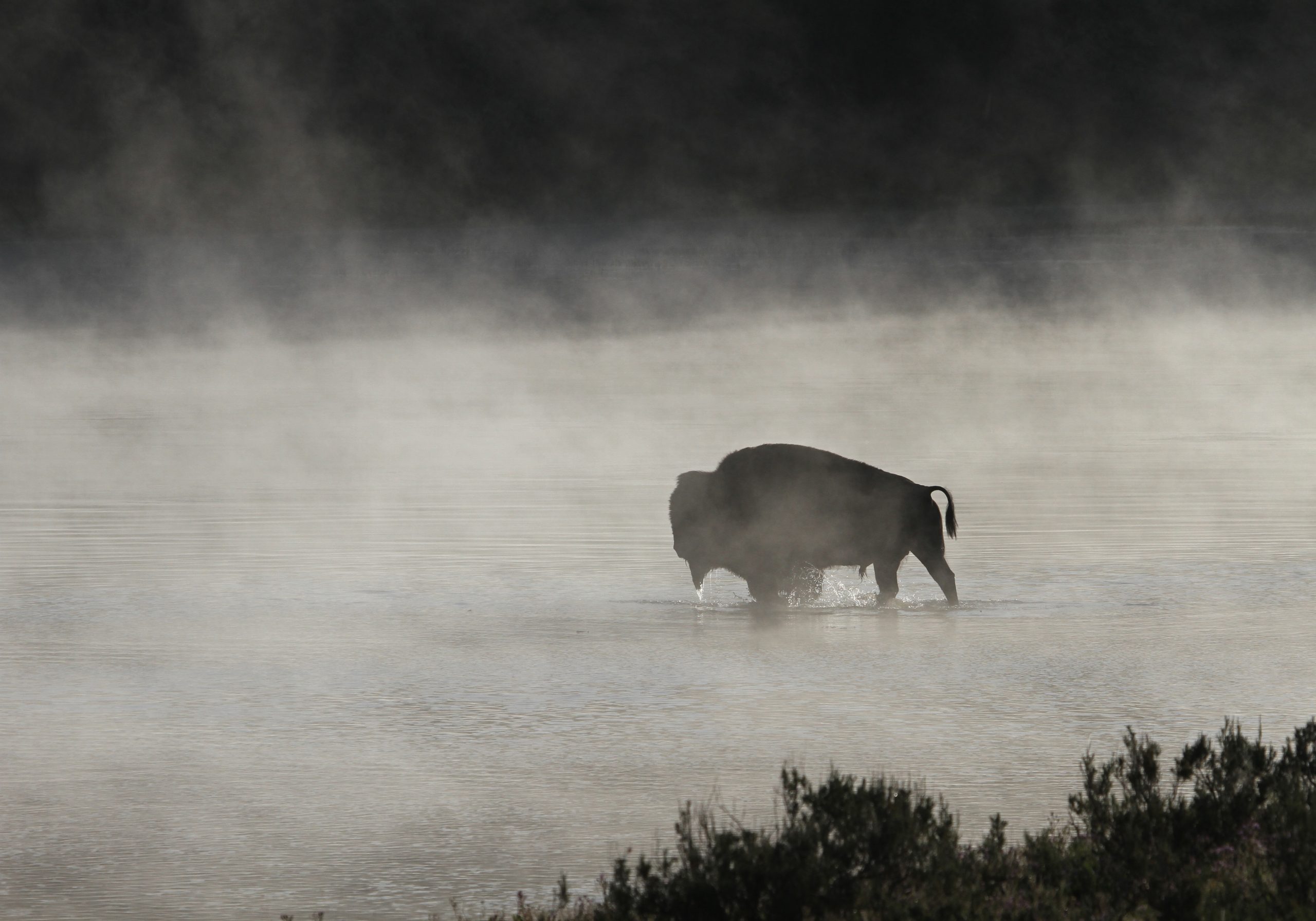
American bison are currently at the center of a tightening web of legal battles, tribal sovereignty disputes, and environmental assessments across Montana.
What began as a seasonal management issue has evolved into a multi-front conflict involving federal courts, state officials, and Native American tribes over who controls the movement and grazing of the nation’s symbol.
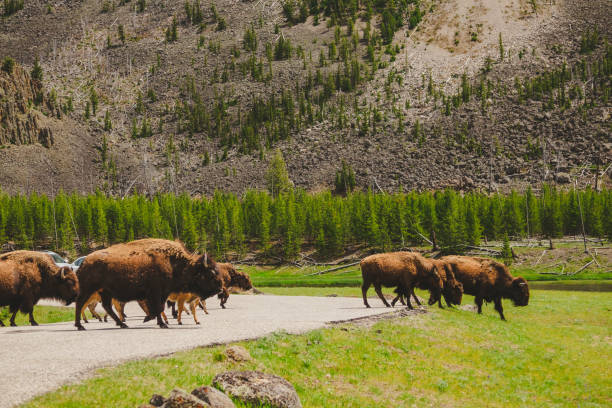
The tension reached a boiling point during a recent meeting of the Interagency Bison Management Plan committee in Butte, where procedural disagreements stalled discussions on tribal membership and hunting rights, Montana Free Press reported. This gathering, held on Oct. 28, was intended to manage the migration of Yellowstone National Park bison to prevent overgrazing and the potential spread of brucellosis to domestic cattle.
While the risk of disease transmission to cattle has never been documented, the management of these herds remains a high-stakes political issue. The committee’s ability to function is currently complicated by shifting membership requests and a lack of clear protocols for admitting new tribal representatives.
Blackfeet Tribe request triggers committee debate over membership rules
The Blackfeet Tribe recently requested to formally join the management committee, a move that triggered debate over the group’s existing rule book. Because the request was not on the original agenda, committee authors questioned the proper procedure for such a decision and whether the Blackfeet met specific membership requirements.
Montana Fish, Wildlife and Parks Director Christy Clark proposed postponing the matter, warning that the state’s position would be a “No” if a vote were held that day. FWP Chief of Operations Kevin Rechkoff noted that the Blackfeet’s push for inclusion follows ongoing discussions with Governor Greg Gianforte’s office regarding federal treaty hunting rights.
The historical basis for these claims traces back to the Lame Bull Treaty of 1855, which established a “common hunting ground” for various tribes across much of Montana. While some officials questioned if certain clauses expired in 1954, Blackfeet representatives clarified that the agreement represented a commitment not to attack other tribes within those hunting grounds during that period.
Beyond membership, the actual method of bison removal is a point of deep cultural contention. Yellowstone National Park biologist Chris Geremia stated the park aims to remove up to 1,500 bison this winter to keep the population near 5,200, a target achieved through a mix of capture, relocation, slaughter, and permitted hunts. However, tribal leaders argue that the park’s reliance on trapping and processing animals undermines their traditions.
“To take an animal is a big thing in our culture,” Tom Wadsworth, director of the Shoshone-Bannock Tribal Fish and Game Department, told reporters regarding the importance of treaty hunts.
Nez Perce Tribal Representative Erik Holt added that the park’s “adaptive management” strategies, such as hazing and trapping, are making it harder for hunters to access animals. He testified that these methods may be taking precedence over treaty hunting rights, especially as changing winter conditions alter migration patterns.
Legal battles over federal grazing lands
| Entity/Issue | State Position | DNRC/Court Finding |
|---|---|---|
| Grazing Eligibility | Limited to “production livestock” (cattle) | No distinction between bison and cattle under Taylor Grazing Act |
| Environmental Impact | Concerns over land stewardship | Low risk of direct or cumulative effects to range conditions |
| Land Condition | Requires strict oversight | Current conditions reflect historic cattle grazing since the 1950s |
The conflict is far from settled. While a temporary injunction currently blocks a state order intended to stop new bison grazing requests, the Montana State Land Board is scheduled to meet again on Nov. 16 to weigh the matter. As the winter progresses, the fate of both the migrating herds in Yellowstone and the growing bison populations on the Missouri Breaks remains tied to the decisions of courts and land managers.
The National Park Service continues to monitor population shifts, noting that bison numbers have climbed from a low of 3,000 in 2010 to nearly 6,000 this year.

Providence Preservation Society Opposes Federal Permitting Reform Bill
“The bill still does not enshrine in law the public’s ability to substantially inform projects that may take...

SWOCC Students Present Spaceflight Experiment Proposals on Nov 18
Students at Southwestern Oregon Community College (SWOCC) will present their research proposals for orbital testing on Wednesday, November...

Oklahoma Human Services Launches Holiday Hope for Foster Children
Oklahoma Human Services has opened the Holiday Hope portal to collect wish lists for children and youth currently...

Fargo Tenants Seek to Break Leases Due to Safety Concerns
“I have to either pay or stay,” a long-time resident told Valley News Live, expressing the desperation currently...