The shifting demographics of New York’s classroom are no longer a future projection; they are the current reality.
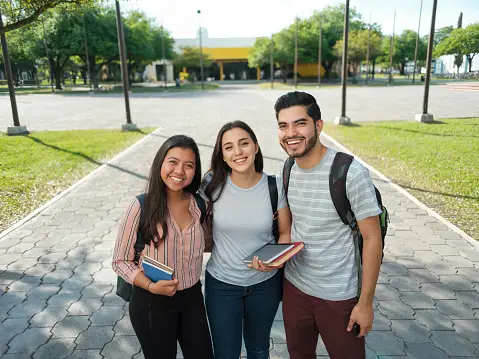
In the Yonkers Public Schools, the third-largest district in New York State, Latino students now account for more than half of the total enrollment. According to WABC-TV, Dr. Anibal Soler Jr., the district’s superintendent, is focusing on this demographic shift to address college-readiness programs and efforts to ensure equity and support for Hispanic and Latino students.
The strategy involves a direct pivot toward programs designed to support Hispanic and Latino students, who represent nearly half of the city’s total population. By aligning district resources with this specific student body, administrators are attempting to move beyond general policy and into targeted academic support.
While the city’s schools grapple with modern integration, the cultural landscape is marking a significant anniversary. Teatro SEA, a staple of bilingual arts education, is celebrating 40 years of operation in 2026.
Founded in Puerto Rico in 1985 before relocating to New York City, the institution has spent four decades blending puppetry, music, and theater to serve underserved communities.
Dr. Manuel Morán, the founder of Teatro SEA, recently joined Joe Torres on Tiempo to reflect on the organization’s evolution.
Since its founding in Puerto Rico in 1985 and subsequent move to New York City, Teatro SEA has become a leading force in bringing culturally relevant performances and educational programming to Latino and underserved communities.
The longevity of the company highlights the institutionalization of Latino cultural heritage. By moving from grassroots performances to established educational programming, Teatro SEA has secured a role in the city’s arts ecosystem.
The conversation regarding cultural preservation extends into the physical history of Manhattan. Gerardo Contino, a bandleader and cultural organizer, is discussing efforts to preserve the legacy of San Juan Hill. This neighborhood, which once occupied the land where Lincoln Center stands today, was a significant hub for Black, Afro-Caribbean, and Puerto Rican communities.
The area served as a foundational cradle for American music, fostering the development of genres including mambo, bebop, and stride piano. Contino’s work focuses on ensuring that the stories of San Juan Hill are remembered for future generations, highlighting how today’s artists and cultural institutions are working to ensure that San Juan Hill’s stories and contributions are remembered.
For those tracking the intersection of these civic developments, Tiempo with Joe Torres airs every Sunday at 11:30 a.m. on WABC-TV.

Keep reading
Columbia Violence Prevention Office Seeks Community Help to Address Claudell Lane Crime
Fifty-Six 911 Calls Spark City Intervention The Columbia Office of Violence Prevention is stepping up its focus on...
Obituary: Charles Bob Robert Thompson, US Marine Corps Veteran
A Life of Service and Connection The community is mourning the sudden loss of Charles "Bob" Robert Thompson,...

Pete Hegseth Visits Rhode Island as Impeachment Resolution Is Filed
“We’re not worried about that,” Defense Secretary Pete Hegseth said Monday Defense Secretary Pete Hegseth’s visit to Rhode...

Portland City Employees Strike as Contract Negotiations Stall
About 800 Portland city employees walked off the job Monday morning, launching a strike after contract negotiations between...