Chicago is running out of people who actually want to govern it.
Ahead of the Feb. 23 aldermanic election, 11 of the city’s 50 wards are uncontested, leaving voters with zero choices on the ballot in nearly a quarter of local districts.
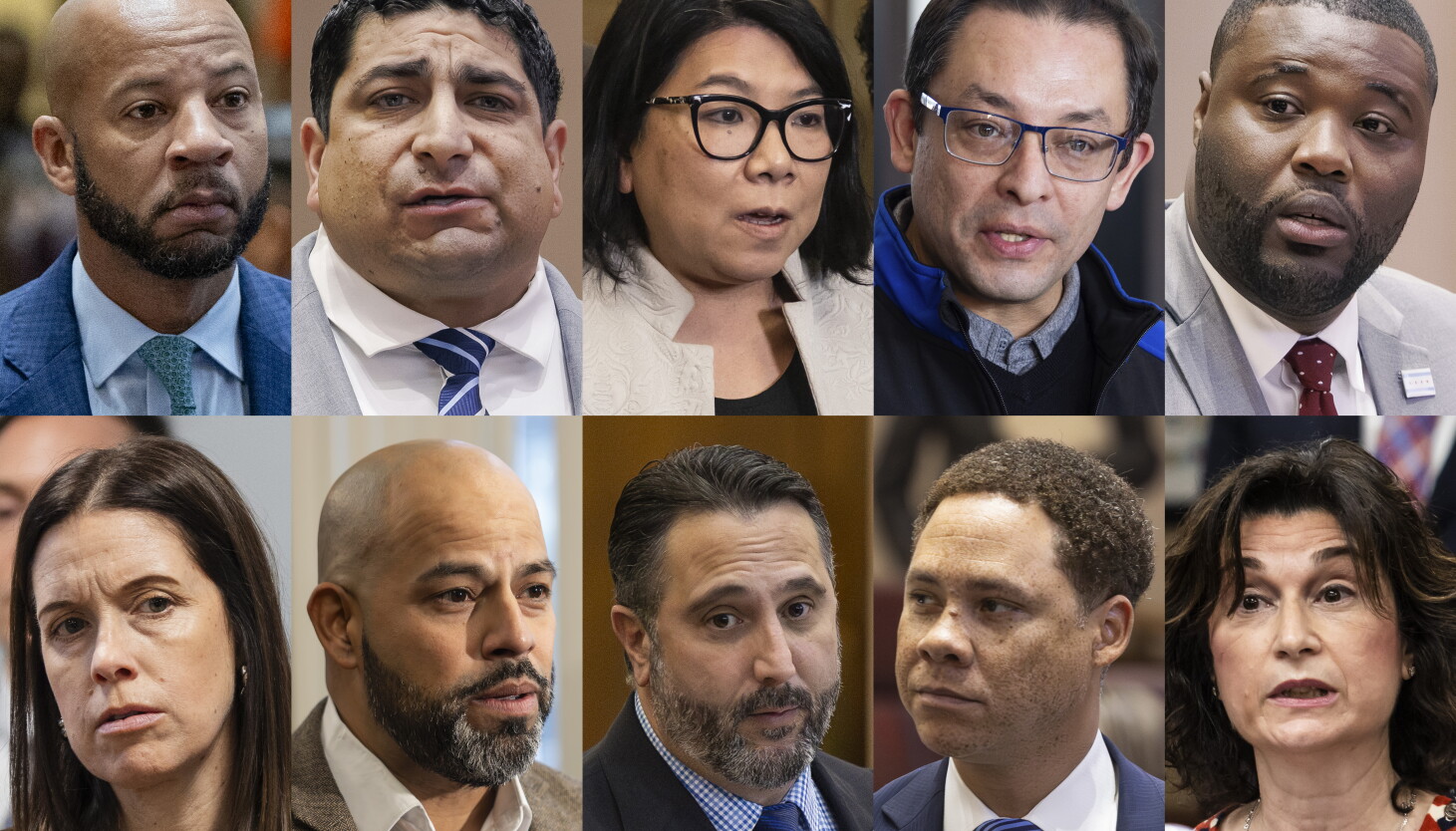
Ten incumbents are guaranteed reelection. They include Alds. Lamont Robinson (4th); Peter Chico (10th); Nicole Lee (11th); Ray Lopez (15th); Ronnie Mosley (21st); Samantha Nugent (39th); Andre Vasquez (40th); Anthony Napolitano (41st); Matt Martin (47th) and Debra Silverstein (50th). A newcomer, Elianne Bahena, chief of staff to retiring Ald. Michael Rodriguez (22nd), is also running unopposed.
The shortage of competition cuts deeper than just a handful of quiet wards. Only 140 candidates filed to run for City Council 4-year term seats, a steep drop from the 210 candidates filing nominating petitions to run for alderperson in 2023.
City Council Asserts Independence from Mayor
The shrinking candidate pool contrasts sharply with a City Council that has grown increasingly independent. Mayor Brandon Johnson has faced four vetoes, three tie-breaking votes, and a Zoning Committee chair he did not choose, while struggling to pass two budgets with mounting resistance for a third.

“It’s possible that our constituents are pleased to see a City Council with teeth and a coalition of aldermen who are stepping up, doing the hard work and pushing back on the executive branch of government for the first time in many, many decades.”
said Ald. Brendan Reilly (42nd), a leader of the group that calls itself the “Common Sense Caucus.” Yet Reilly conceded that for many potential contenders, the constant fighting makes it a job they simply want to avoid.
Ald.
“You have a career that you would be leaving to go into public service, and public service is so ugly. There’s so much negativity. There’s so much distrust.”
O’Shea said.
Elections and Rising Campaign Costs Limit Candidates
Other political figures trace the candidate drought directly to the calendar. On Nov. 3, Chicago held a historic election for 21 seats on its first elected school board, drawing away many of the community activists, local school council members, and block club leaders who traditionally make up the natural pipeline for aldermanic runs.
At the same time, veteran political consultant Delmarie Cobb said that running a viable local campaign has become prohibitively expensive. With secured buildings, digital doorbells, and wary voters blocking traditional ground-game tactics, candidates can no longer rely on simple door-to-door visibility.
As petition challenges settle and the February election approaches, the open question remains whether a leaner, more fiercely independent City Council can function effectively when large swaths of the electorate find themselves represented by leaders who faced no opposition at all.
Related reading

Twice-Deported Man Charged in Fentanyl and Meth Trafficking to Hawaii
Facing a federal criminal charge in a cross-state narcotics ring, a twice-deported man is currently held in Nevada...
North Georgia Freeze Warning Triggers Emergency Warming Centers
Frigid northerly winds dropped afternoon temperatures into the mid-50s across the metro area and the 40s in the...

D.C. United Names Óscar Pareja Head Coach
Óscar Pareja takes over as the new head coach of D.C. United, bringing a multiyear contract and a...

1996 Story: Proposed Eight-Story Building Could Have Made Wilmington ‘Raleigh by the River
Downtown Wilmington once faced a debate over a proposed eight-story development that threatened to turn the Cape Fear...