
Hartford launches $2 million Arena District Investment Fund to activate urban core
Hartford is moving to transform its sports venues from isolated destinations into a cohesive, year-round urban district. The MetroHartford Alliance has announced the creation of a $2 million Arena District Investment Fund, a strategic initiative designed to breathe life into the vacant retail spaces surrounding the city’s major athletic and convention hubs.
This move follows a successful precedent set by the Hart Lift program. In that earlier initiative, $9.5 million in American Rescue Plan Act (ARPA) funds were used to leverage more than $12 million in private investment. The new fund seeks to replicate that momentum by focusing on the physical and commercial connectivity between the city’s primary anchors: Dunkin’ Park, PeoplesBank Arena, the convention center, and the city’s stadium.
The strategy isn’t just about hosting games; it is about the economic “connective tissue” that exists between the whistle and the final score. Urban planning research, including insights from the Urban Land Institute, suggests that sports venues thrive most when they are embedded in walkable, mixed-use districts. Without sustained programming and a way to keep people in the area after an event ends, these venues risk becoming “islands” that fail to provide long-term value to the surrounding real estate and local businesses.
Targeting specific corridors for retail and entertainment growth
The $2 million fund is not a general pool of capital but a targeted tool for specific geographic zones. The MetroHartford Alliance has identified several key streets for storefront grants, aiming to attract new operators in the food, beverage, and entertainment sectors. These priority areas include:
- Trumbull, Asylum, Pratt, Anne Uccello, Allyn, and Main streets
- The expansion of the Front Street dining and entertainment district along the riverfront
- The development of a dedicated live music and entertainment cluster
By focusing on these specific corridors, the fund intends to solve a common urban problem: the “dead zone” that often occurs in downtown areas once a sporting event concludes. The goal is to create a destination where visitors stay for dinner or music rather than immediately heading to their cars. Public improvements, such as enhanced lighting, streetscaping, wayfinding, and new outdoor gathering spaces, are also slated to support this transition.
Leveraging sports tourism and institutional partnerships
While the physical infrastructure is a primary focus, the Alliance is simultaneously working to increase the volume of visitors through aggressive tourism recruitment. This involves a multi-pronged approach that utilizes Hartford’s existing assets in tandem rather than in isolation.
Central to this plan is a partnership with CTMEETINGS to recruit targeted tournaments that can utilize both the Convention Center and PeoplesBank Arena simultaneously. Additionally, the city is looking toward expanded programming at Dunkin’ Park that goes beyond the standard baseball season, and a formal hosting partnership with UConn Athletics to bring more collegiate-level energy to the urban core.
“When our investors show up, visitors follow, and our streets come alive.”
The perspective, shared by David Griggs, President and CEO of MetroHartford Alliance, emphasizes that the success of the district relies on a symbiotic relationship between institutional investment and local participation. The Alliance is calling on regional businesses to host clients at downtown events and bring industry conferences to the city to help catalyze the district’s growth.
The economic stakes of a year-round downtown
The shift toward a “district” model represents a significant departure from the traditional way cities manage sports venues. For decades, the economic impact of a stadium was measured purely by ticket sales and immediate concessions. Today, the focus has shifted to the secondary and tertiary spending that occurs in the surrounding blocks.
However, the transition is not without its complexities. Critics of large-scale urban revitalization often point to the difficulty of maintaining momentum once the initial grant money is spent. The success of the Arena District will depend heavily on whether the $2 million in grants can successfully trigger the same level of private sector confidence seen during the Hart Lift program. If the retail vacancies on streets like Pratt or Main remain unfilled, the physical improvements like lighting and streetscaping may struggle to create the “vibrant, year-round downtown” the Alliance envisions.
As new apartments continue to rise across from Dunkin’ Park, the demographic of downtown Hartford is shifting toward a resident base that values walkability and proximity to amenities. The Arena District Investment Fund is an attempt to ensure that the commercial landscape evolves at the same pace as the residential one.
Worth a look

9th Annual Heart of Albany Festival Brings Artists and Creativity to Tift Park
Tift Park hosts 9th annual Heart of Albany Festival Artists and community members gathered at Tift Park in...

Dartmouth vs. Harvard Men’s Soccer Box Score: 3-3 Draw Results
Dartmouth and Harvard Split Points in 3-3 Draw in Boston A high-scoring stalemate in Boston saw Dartmouth College...
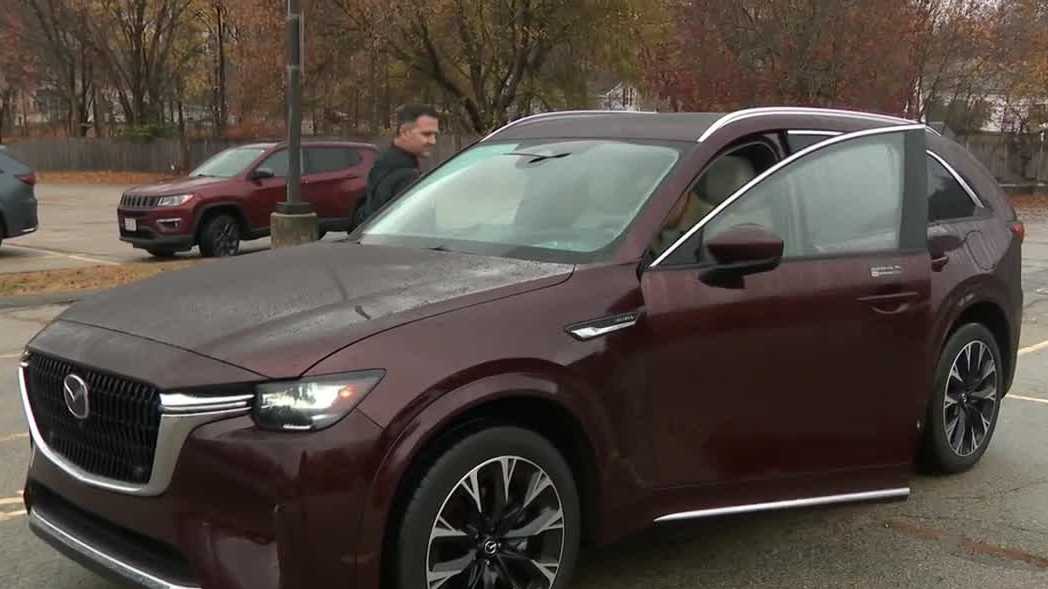
Grappone Mazda Test Drives Raise Funds for Concord High Music
Concord High School students aim for $10,000 through Mazda test drive fundraiser A single test drive could contribute...

North Lincoln Breaks State Record with 7th Straight XC Title
North Lincoln sets all-time state record with seventh straight cross country title The North Lincoln girls cross country...