Seven permits will be issued for E1 and eight for E2 in Vermont’s archery moose hunt.
The state’s archery season runs from October 1 to 7, 2026. Between E1 and E2, only one archery permit may be awarded to a non-resident applicant this year.
Hunters who draw an archery tag step into the woods right at the peak of the rut. That timing gives them a strong chance at finding a big bull.
Last year, the Vermont Fish and Wildlife Department issued 20 either-sex lottery permits for the archery season, alongside three auction permit winners who all elected to hunt the E1 archery season.
The thirteen archery hunters in E1 achieved a 69 percent success rate on bulls, while the ten E2 hunters recorded a 60 percent success rate. Four of the nine archery bulls taken in E1 broke the 50-inch mark, whereas the widest bull checked in at 46 inches out of the six taken in E2.
For the regular rifle season, state officials made a notable calendar adjustment for 2026. The hunt has been extended from six days to nine days and now covers two weekends.
The Vermont Fish and Wildlife Department adopted this change to give hunters greater schedule flexibility. Officials hope success rates will remain consistent rather than falling victim to poor weather.
The regular season runs between October 17 and 25, 2026, offering 44 either-sex lottery permits, which includes five set aside specifically for veterans. Twenty-four of those permits are designated for E1 and 20 for E2. In addition, the state authorized 11 antlerless-only permits for E1A and nine for E2A, with up to six regular season permits available to non-resident applicants.
During that October rifle window, the rut ends. Hunters must expect to cover plenty of rough country to track down a bull.
Weather played a disruptive role during the previous year’s rifle hunt. Participants encountered warm conditions at the start, followed by rain before more seasonable temperatures closed out the season.
Most harvests happened during the first half of the hunt, and no animals were taken on the final day. Across both units, 34 percent of either-sex tags were filled on bulls.
E2 either-sex hunters outperformed E1 counterparts in harvest rates last year. Hunters in E2 reported a 40 percent success rate, compared to 29 percent in E1.
Geographic Breakdown of E1 and E2
Wildlife Management Units E1 and E2 sit in the northeast corner of Vermont, serving as the premier locations in the state for trophy bulls. While debate often arises over which unit holds the edge, the differences remain marginal.
E1 has emerged as the superior zone for top-end bulls in recent seasons. Higher population density and active logging cuts make locating a quality animal somewhat easier.
E2 experiences less hunting pressure while maintaining the potential for mature bulls. Every one of the five bulls hitting the 50-inch mark in 2025 came out of E1, with all but one harvested during the archery season.
Successful applicants typically hire a moose retrieval service to haul their harvest out of the woods. A contact list of Vermont-approved retrieval operators arrives inside the moose permit package.
Vermont also features reasonably priced moose outfitters for guided hunts. While states like Maine and New Hampshire produce higher volumes of trophies, Vermont consistently delivers a select group of exceptional bulls each year.
Given that opportunities to hunt Canadian moose remain rare and application fees stay inexpensive, entering the Vermont moose draw is a straightforward bet for interested sportsmen.

Angela Howard-McParland Says Americans Must Stay Alert to Backsliding
Angela Howard-McParland argued in a New Ways Ministry column that Americans must stay alert to political backsliding while...

Canada Opens Bidding for Global Defence, Security and Resilience Bank Headquarters
The Government of Canada opened its formal bidding competition for a new global bank headquarters office that could...
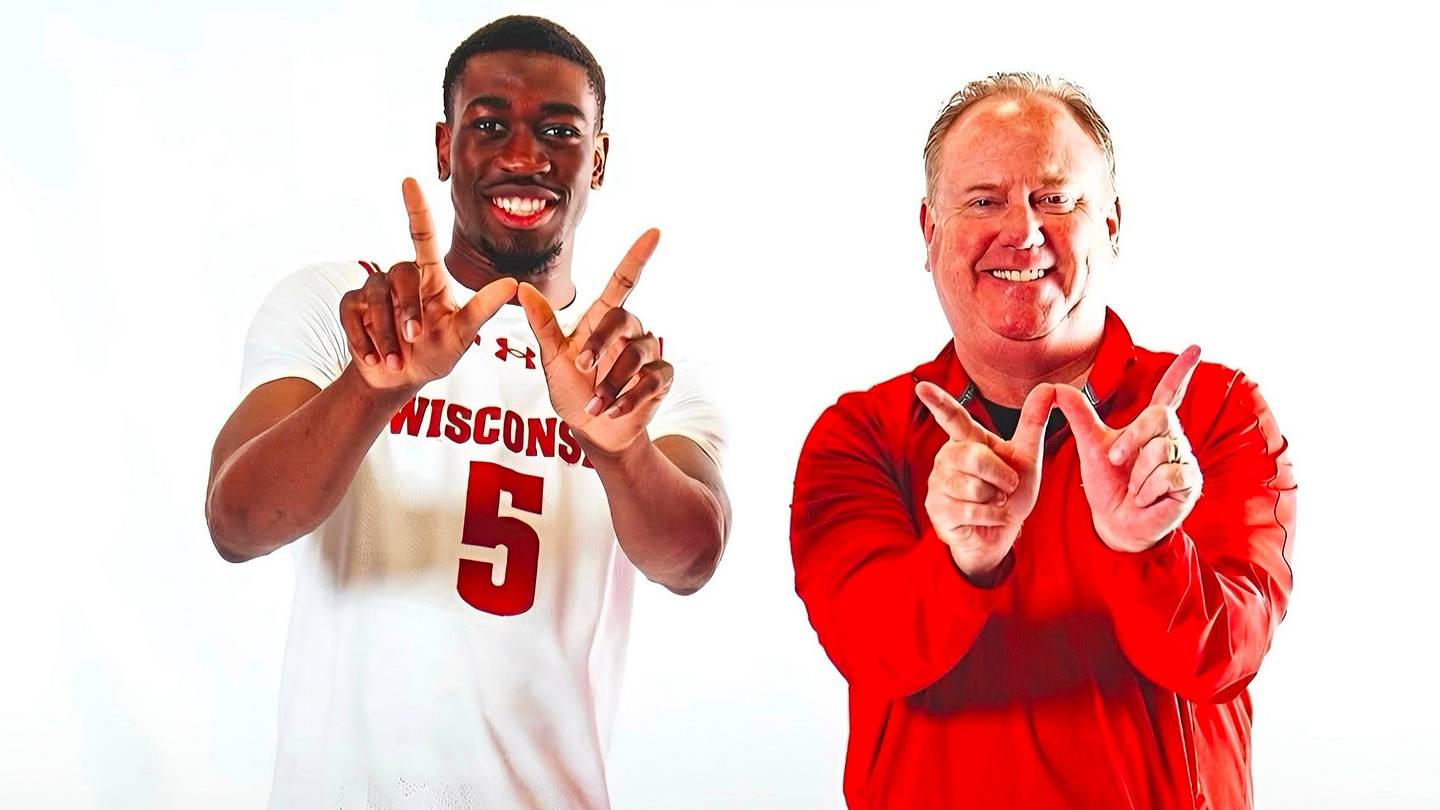
Wisconsin Basketball Signs Four-Star Baboucarr Ann for 2027 Class
Wisconsin basketball secured a major recruiting win on Saturday by signing Maple Grove guard Baboucarr Ann, landing the...

Seahawks Elevate Two Practice Squad Veterans Ahead of Raiders Game – Field Gulls
On Saturday, November 15, 2026, the Seattle Seahawks announced the elevation of cornerback Trevon Diggs and offensive tackle...