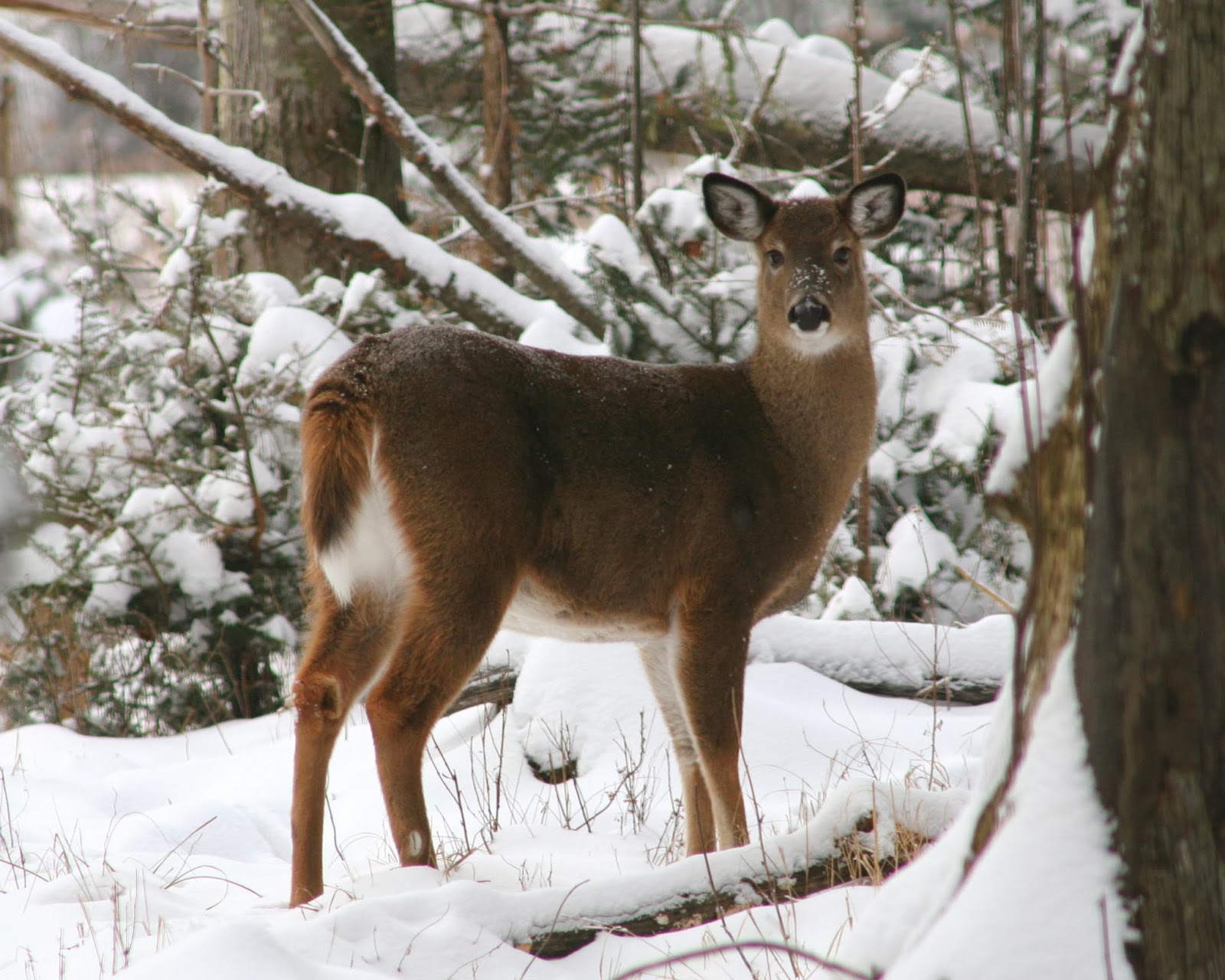
“Some hunters are really nervous about it,” Nick Fortin, the Vermont Fish and Wildlife Department’s deer project leader, told VTDigger.
The anxiety stems from changes to Vermont's hunting regulations. For the first time in 39 years, hunters can shoot antlerless and female deer during the regular rifle season, VTDigger reported.
This change departs from decades of tradition where antlerless deer harvests were restricted to other periods, such as archery or muzzleloader seasons. As the 16-day rifle deer hunting season begins this Saturday, the state anticipates between 60,000 and 65,000 hunters will participate over the next two weeks.
The decision follows a 2025 move by the Fish and Wildlife Board to issue 12,050 antlerless deer permits by lottery this past August. State officials are attempting to balance ecological health with a deep-seated social tradition that has remained unchanged for nearly four decades.
Managing deer populations in the valleys
While the state’s overall deer population is considered relatively stable, specific regions face mounting pressure. Areas including the Champlain Valley, the Connecticut River Valley, and the Barre-Montpelier area currently hold more deer than their local ecosystems can naturally support.
An overabundance of deer carries consequences that extend far beyond the woods. According to research from Penn State’s Department of Ecosystem Science and Management, high population densities can lead to increased deer-car collisions, the spread of tick-borne diseases, and the degradation of forest stability due to overgrazing.
To address these pressures, officials are monitoring the impact of the new permits closely. Fortin estimates the lottery will result in approximately 3,000 female and antlerless deer being killed during the regular rifle season.
“We actually do need to kill more deer in some areas, but we also want to be sensitive to those concerns so that we don’t lose this tool again because we need this,” Fortin said.
The state is approaching the rollout with caution, recognizing that the policy represents a massive social shift for the hunting community. Fortin said that the department is being “really conservative” with the number of permits issued to ensure the long-term viability of the regulation.
Younger hunters support rules while older generations oppose them
The policy change has revealed a clear demographic split among Vermont’s outdoorsmen. Data suggests that a majority of hunters under the age of 55 support the new rules, while a plurality of those aged 65 and older remain opposed.
For many seasoned hunters, the timing of the harvest is the primary sticking point. Melvin Pierson, a hunter who frequents shops in Maine, New Hampshire, and Vermont, expressed concerns regarding the biological timing of the season.
“I think if they’re going to shoot does, then they should shoot them earlier in the season,” Pierson said while shopping at R&L Archery. “I’m a little against shooting them late season when they’re already bred.”
The timing is sensitive because peak deer mating season occurs in November. This biological window is a critical period for herd reproduction and population management.
At R&L Archery in Barre, manager Joe Sanborn has spent much of the year addressing questions from a community trying to adjust to the “new normal.” The shop has seen a surge in activity as the season opens, with Sanborn noting that even the arrival of the season brings a hectic rush of customers seeking ammunition, licenses, and gear.
Despite the debate, some hunters view the changes as part of the standard evolution of wildlife management. Brandon Kennedy, a customer at R&L, indicated he trusts that the state is performing the necessary due diligence regarding the population shifts.
Beyond the deer, the season also serves as a cornerstone for local community support. At the same archery shop, members of Boy Scouts of America’s Troop 1 have been selling homemade pies to hunters, raising hundreds of dollars to fund summer camps and other activities.
As the 16-day window unfolds, the results of this lottery-based permit system will likely shape Vermont’s deer management strategies for the next five years.
Related reading

Rep. Andrew Gray Argues for Curbing Alcohol Consumption in Alaska
Representative Andrew Gray argues that curbing Alaska’s alcohol consumption could be the most transformational and controversial aspect of...

Jensen Huang Resigns From Nvidia: What His Departure Means for the AI Ecosystem
Jensen Huang, the co-founder and long-time CEO of Nvidia, resigned from all positions at the company on Thursday...

Christopher Grant Charged After Attacking Laramie County Deputies
An inmate at the Laramie County Detention Center was charged with two counts of interference with a police...
Orlando Magic Face Milwaukee Bucks Following Two Road Victories
Orlando secured two consecutive road victories to snap a losing streak before facing the Milwaukee Bucks on November...