
“We represent a broad spectrum of our caucus, and each have come to this decision for our own reasons.”
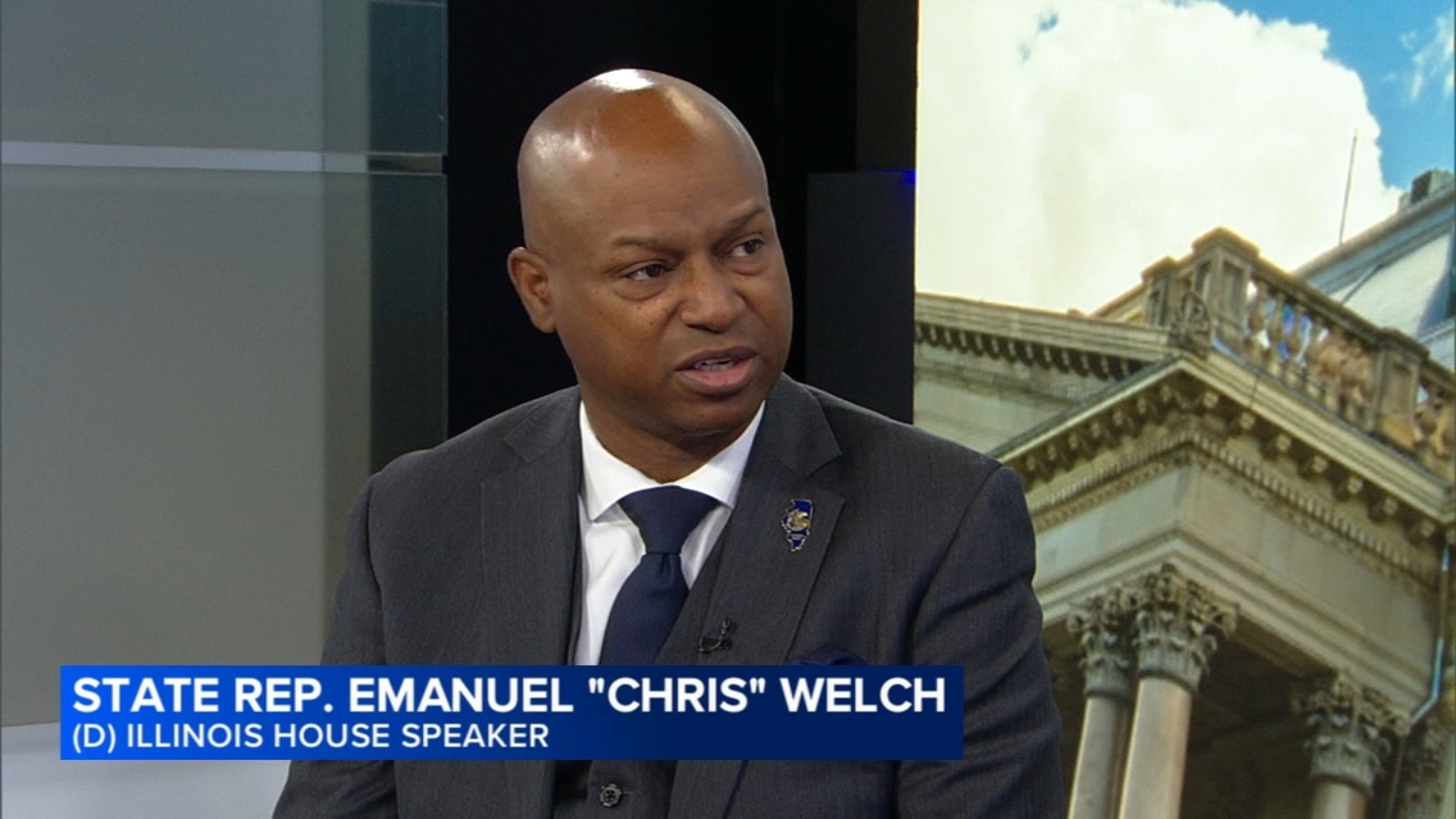
That’s what 26 Illinois House Democrats said in their stunning public call for new leadership, a move that has put Speaker Emanuel “Chris” Welch’s tenure on thin ice just as his party secured a historic supermajority. The Chicago Sun-Times reported the late-night bombshell, which came from lawmakers including Cicero’s Lisa Hernandez, chair of the Democratic Party of Illinois.
A Supermajority Shaken
This is the kind of political earthquake that doesn’t happen in a vacuum. Just hours before the rebellion went public, Welch was celebrating what he called “a winning political operation.” His committee had raised $35 million to help Democrats flip at least five seats, pushing their majority to a modern-record 78-40, with two more seats still potentially in their hands. The party map, already deeply gerrymandered, was turning an even deeper shade of blue.
🚨BREAKING: Illinois Democratic House Majority Thrown Into Chaos Just days after Election Day, 26 House Democrats are revolting against Speaker Chris Welch, calling for new leadership amid the Harry Benton sexual harassment scandal. Democrats may control Springfield, but their… pic.twitter.com/icrtlU8h7y
But the victory lap was cut short. The statement demanding Welch step aside, distributed by North Side Rep. Kelly Cassidy, didn’t name him outright, but the message was unmistakable. The caucus, it said, “needs new leadership.” And with nearly a third of the incoming caucus signing on—including 19 women and four of Welch’s top lieutenants—the math is brutal. Their votes would be enough to block him from the gavel, forcing Welch to seek Republican support for the 60 votes needed to lead the chamber. That’s a far-fetched prospect for a party that long ago relegated Republicans to the superminority.
The Scandal That Wouldn’t Fade
The roots of this rebellion go back to the summer, when it was revealed Welch had known about sexual harassment allegations against disgraced ex-state Rep. Harry Benton almost three years before Benton’s resignation. Welch apologized for his social media interactions with a complainant that left the young woman uncomfortable, but his handling of the case has been the core of the criticism.
“The bigger concern is not that [Benton] scandal itself, but really the judgment it showed,” said Arlington Heights Rep. Mary Beth Canty, who chairs the House Democratic Women’s Caucus and signed the statement. She pointed to the way the case was handled in 2023, then in 2026, and “the way it has been handled since it was first reported.” For Canty, it all “shows a standard of judgment that hasn’t inspired confidence.”
The revolt also casts a long shadow back to Welch’s own rise. He was elected Illinois’ first Black speaker in 2021 after the downfall of Michael Madigan, whose 36-year tenure ended in part due to his mishandling of misconduct allegations. Cassidy was the lone Democrat not to support Welch’s initial ascent, citing unresolved questions about a 2002 suburban police report that alleged Welch slammed a woman’s head into a countertop during an argument. He was never criminally charged and has denied wrongdoing.
Members of the Illinois State House Democratic Caucus said in a letter they won’t support Welch continuing as House speaker, saying the caucus 'needs new leadership.' WGN Political Editor @tahmanbradley reports. READ MORE: https://t.co/4Dq4Hp4D6G pic.twitter.com/XqrmKQh68v
“This is about wanting us to move on to find real solutions, and look ahead to what our colleagues who might want to lead us have in mind,” Cassidy said. “We need to get it right.”
Welch formed a working group to discuss harassment reporting mechanisms, but Cassidy dismissed it as a “smokescreen.” Several members, including Canty, passed on participating. Canty said she met with Welch over the summer and found his concerns “solvable, but not solvable by this speaker.”
A Search for a New Standard
The rebellion is about more than just one scandal. It’s about a desire for a different kind of leadership in Springfield. State Rep. Anne Stava, D-Downers Grove, made that clear in her own statement: “the decision came down to believing women who come forward as survivors of sexual harassment and creating a safer workplace environment for all who work in our Capitol.”
Illinois House Speaker Chris Welch is facing a rebellion as 26 House Democrats call for a new speaker. That's enough to deny him another term, even as Democrats expand their supermajority to historic proportions. @brendenmoore13 reports. https://t.co/FeOmcIkcT0
Stava suggested the new speaker should be a woman, which would be a first for the chamber. Canty agreed that “maybe now is the time we start looking to our female colleagues,” but emphasized the need for a proper process. “It’s important we have a process where candidates put their names forward, and then share with the caucus how they’ll run the chamber, how they’ll run the political operation, and take questions from our caucus.”
Welch has apologized for how he handled the Benton case, maintaining he had no choice but to continue backing Benton without a formal complaint to spur an investigation. A Welch spokesperson didn’t have any immediate comment on the rebellion. Gov. JB Pritzker, for his part, sidestepped the question of whether Welch should stay, saying only, “The members of the House get to choose who they want as a leader, and I’ll work with whoever that may be.”
This is a moment of profound consequence. The stakes are the very culture of the Capitol and the trust the public places in its leaders. The rebellion may have been brewing for months, but its timing is everything. Lawmakers are scheduled to return to Springfield Nov. 17 for the fall veto session, and the question of who will lead them will hang over every decision they make.
For now, the Welch era appears to be in its final, tumultous days. The question for Illinois is what kind of leadership comes next.

Scott Colom could become Mississippi’s first Black senator since Reconstruction
A Mississippi Senate Race Built on Quiet Belief “Watching Scott’s campaign pick up so much momentum has been...
Winona Claims Class 1 Third Place Trophy in Five-Set Victory
Winona claims Class 1 third-place trophy in five-set thriller over Billings Winona secured the Class 1 third-place trophy...

Jefferson City Community Center leaders say council is withholding funds
Funds Frozen, Safety Stalled Leaders of the Jefferson City Community Center say they are caught in a bureaucratic...

CNU 35 Twin Cities Highlights Historic Mill District Urbanism
Imagine a map. Eight feet wide. It sprawls across a wall, a sprawling web of more than 10,000...