
Trump Approval Dips to 29% in New Jersey Ahead of Midterms
President Donald Trump’s approval rating has plummeted to 29% in New Jersey as voters prepare for midterm elections widely viewed as a direct referendum on his second term, according to a newly released Fairleigh Dickinson University Poll. The numbers place the president 37 points underwater in the state, with 66% of likely voters telling pollsters they disapprove of his handling of the presidency.
“Trump isn’t running for reelection, but he has made himself the face of the Republican Party,” Dan Cassino, the poll’s director, said in a statement. “The fact that he’s this unpopular means that he’s dragging down Republican candidates in a way that a less visible president might not be.”
Softening Support Among Conservatives and Core GOP Brackets
The survey reveals cracks in the president’s traditional base within the Garden State. Only 68% of self-identified conservatives said they approved of his job performance, while 27% registered their disapproval. At the same time, the state’s most die-hard MAGA identifiers remain intensely loyal, with 95% backing his performance in office. Moderate support sits at just 21%, alongside 7% among liberals and 8% among progressives.
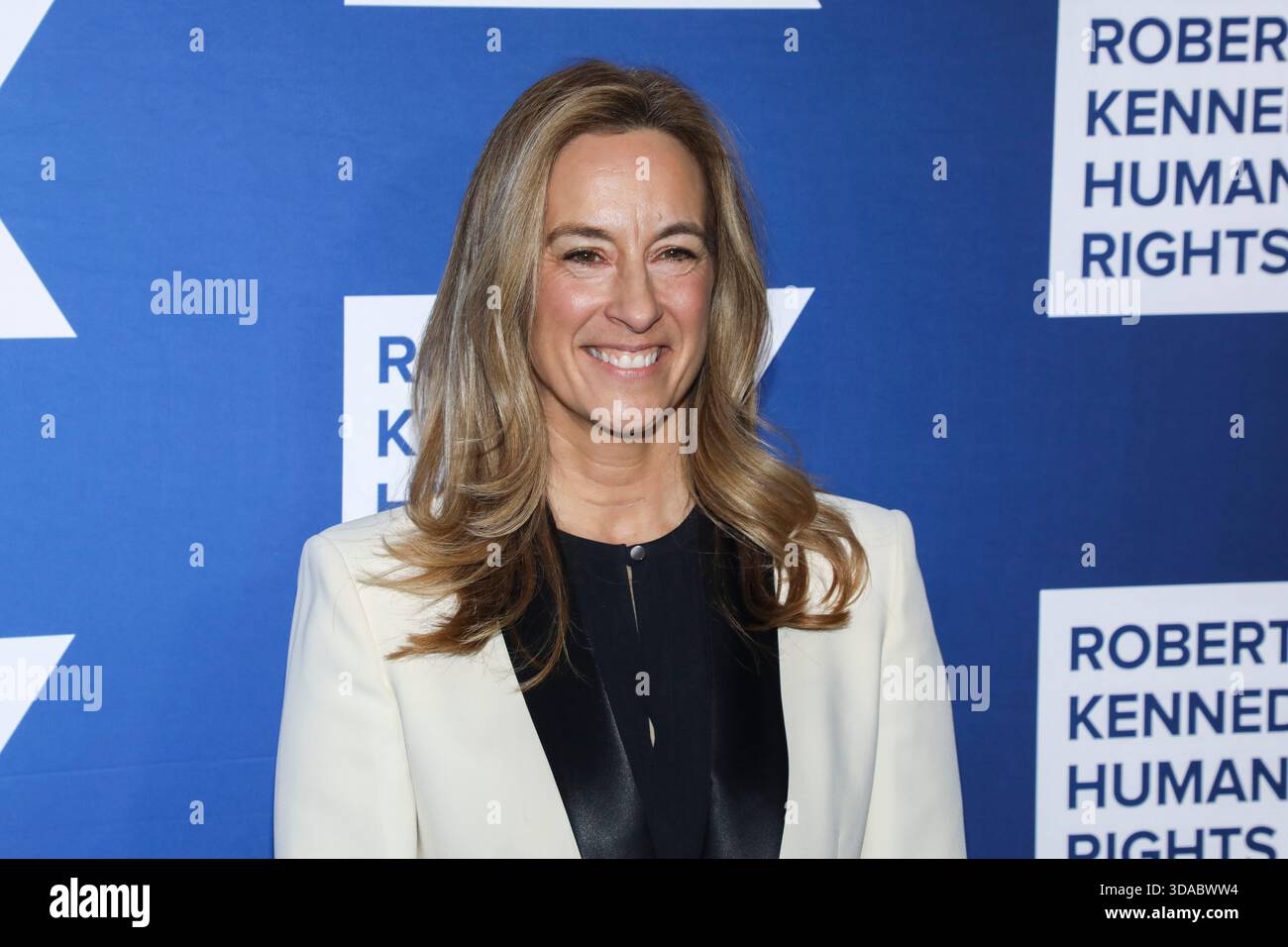
By contrast, Mikie Sherrill maintains net-positive marks, though her standing has shifted since taking office. Nearly half of likely voters, 48%, approved of the job she was doing, while 32% expressed disapproval. However, her numbers have descended from a March Fairleigh Dickinson poll that found 58% approval.
Voter Uncertainty Doubles for Sherrill Administration
The erosion in Sherrill’s polling numbers does not stem from a sharp spike in voter hostility—disapproval has ticked up by only two points since March. Instead, voter uncertainty has more than doubled, climbing from 8% to 20%. The largest drops in approval and corresponding rises in uncertainty appeared across demographic lines, particularly among women and Black and Hispanic voters.
The early months of the Sherrill administration have been turbulent, including the resignation of former Lieutenant Dale Caldwell last month following allegations of ethics violations and sexual harassment. While it remains unproven whether Caldwell’s departure directly drove voter uncertainty, pollsters also point to broader shifts in party registration, noting an increase in former unaffiliated and Republican voters now identifying as Democrats.
Worth a look
How to Fix Errors on Your Pennsylvania Mail Ballot by County
If you made a mistake on your mail ballot in Pennsylvania, you don't necessarily have to sit on...

Salem Township Approves Data Center Overlay District Expansion
BERWICK — The data center overlay district in Salem Township has more than doubled in size, following approval...

Chickasaw Nation to get over $7 million for tribal energy projects
More than $7 million is headed to the Chickasaw Nation as part of a federal push to expand...

The Vile Politics of the Vivek Ramaswamy Ohio Governor Ad
When you stand with vile, you reveal yourself. That is the stark reality facing the Ohio Republican establishment...