The Rhode Island Breakers are officially on the clock.
As the United Football League prepares for its 2027 spring debut, the franchise faces the immediate challenge of building a roster capable of honoring the state’s century-old professional football legacy while correcting the structural deficiencies that plagued its predecessor squad in Birmingham.
Head Coach AJ McCarron, entering his second season at the helm, is bringing his core roster north from Alabama to Pawtucket’s Centreville Bank Stadium. While the move offers continuity, the team’s performance data from last spring reveals a clear mandate for change.
To evolve from a near-miss contender into a true powerhouse, the Breakers must address critical gaps in the trenches and the secondary before the 2027 UFL Draft kicks off on November 18 in St. Louis.
Stabilizing the Offensive Front
The success of the Breakers’ offense hinges on a single, non-negotiable requirement: keeping quarterback Dorian Thompson-Robinson upright. After a mid-season trade from Orlando provided a spark for the Birmingham offense last year, the team’s trajectory shifted. Yet, the protection remained a glaring liability. According to league data provided by The UFL, the unit surrendered a league-worst 18 sacks across the 10-game regular season.
These struggles cascaded into the run game, which managed just 739 total yards. While the roster boasts three capable running backs, their production was stifled by frequent injuries and inconsistent play in the trenches. McCarron’s immediate priority in the upcoming draft is securing personnel who can stabilize the interior, providing the time necessary for Thompson-Robinson to utilize his mobility and arm talent effectively.
Disrupting the Defensive Line
Defensive consistency remains the most significant hurdle for the coaching staff. While the linebacker room—anchored by Tae Crowder and Kyahva Tezino—was a statistical bright spot, the front four failed to generate the pressure required to stifle modern UFL passing attacks. Crowder’s record-breaking 84 tackles in just nine games highlighted his individual dominance, but the team’s overall defensive metrics tell a different story.
The Stallions concluded the previous season with a league-low 17 sacks and ranked second-to-last in tackles for loss with 42, as reported by The UFL. This lack of disruption allowed opposing offenses to convert 43.9% of their third-down attempts.
For the Breakers to compete in 2027, the front office must acquire an edge rusher capable of winning one-on-one matchups at the line of scrimmage. Without this pressure, the secondary is forced to cover for extended periods, inevitably leading to the high passing yardage totals—2,018 yards allowed—that the team recorded last year.
Secondary Support and Historical Context
The secondary proved to be an opportunistic, if inconsistent, group. Their 10 interceptions were tied for the second-most in the league, largely driven by the standout play of Tre Norwood and Alex Cook.
However, with Cook’s status uncertain following his stint with the Los Angeles Rams, the depth of this unit is under scrutiny. As noted by uflnewshub.com, the team’s identity is being built on a foundation of “tough, trench-tested football” that draws inspiration from the 1928 champion Providence Steam Roller.
“The Breakers are named for the relentless waves that crash against Rhode Island’s rocky shores, a force that never backs down, never lets up, and just keeps coming, said UFL President & CEO Russ Brandon.”
Adding a playmaker to the secondary is the final piece of the puzzle. With Norwood expected to return for the 2027 season, the front office is looking to draft reinforcements that can help the defense move to the next level. The goal is to create a symbiotic relationship between the defensive front and the secondary: more pressure on the quarterback will naturally lead to more turnover opportunities for the defensive backs.
Rhode Island currently holds the 3rd overall pick in the first round and the 2nd pick in the second round. These selections will serve as the first concrete step in transitioning from a relocated roster to a homegrown team.
For the fans in Pawtucket, the debut season represents more than just a new team; it is a chance to reconnect with a professional football heritage that has been dormant since the era of the Cycledrome. The draft on November 18 will determine if the Breakers have the personnel to turn that legacy into immediate on-field success.

Wyoming Lawmakers Weigh Water Use Paths for Data Center Development
“I want to make sure that we future-proof and continue to iterate on the theme that’s been the...

Charleston Completes $198 Million Stormwater Project to Reduce Flooding
Charleston has completed a $198 million stormwater infrastructure project intended to mitigate flooding across much of its downtown...

Vermont Homeless Population Sees Nearly 3% Decrease in 2026 Count
Vermont recorded a slight decrease in its homeless population during the January 2026 point-in-time count, WCAX reported. The...
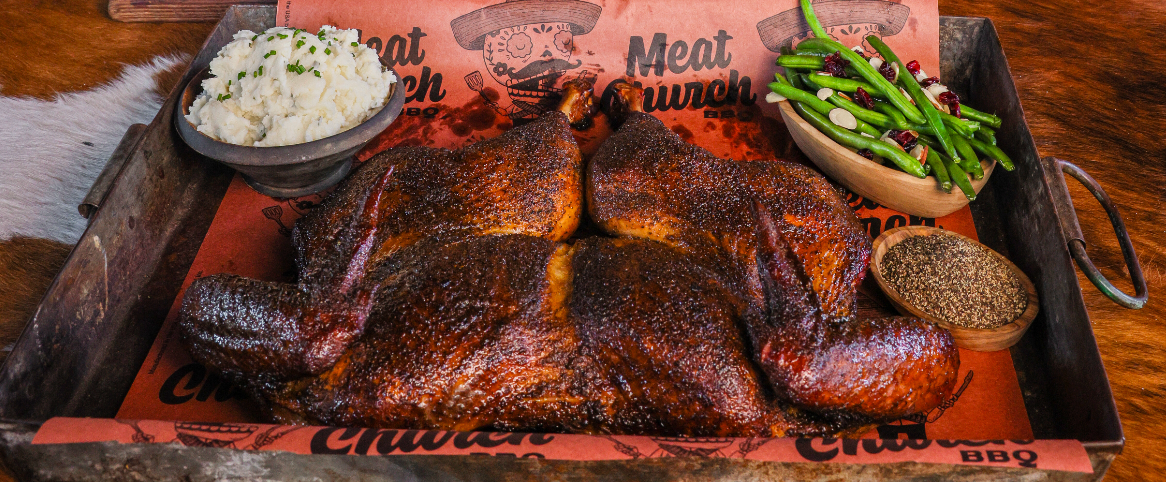
Meat Church Details Method for Brining and Smoking a Turkey
A single 20-ounce bag of Bird Baptism Brine can transform a holiday turkey when mixed with a gallon...